Engagement
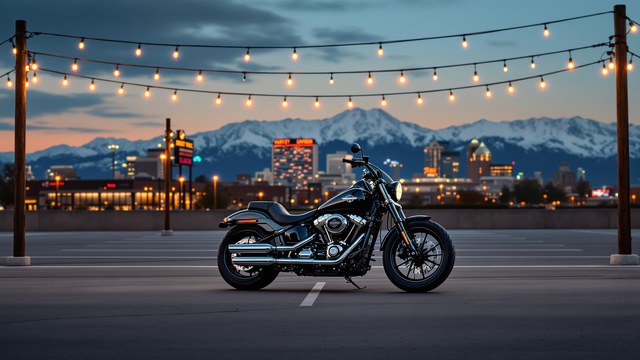
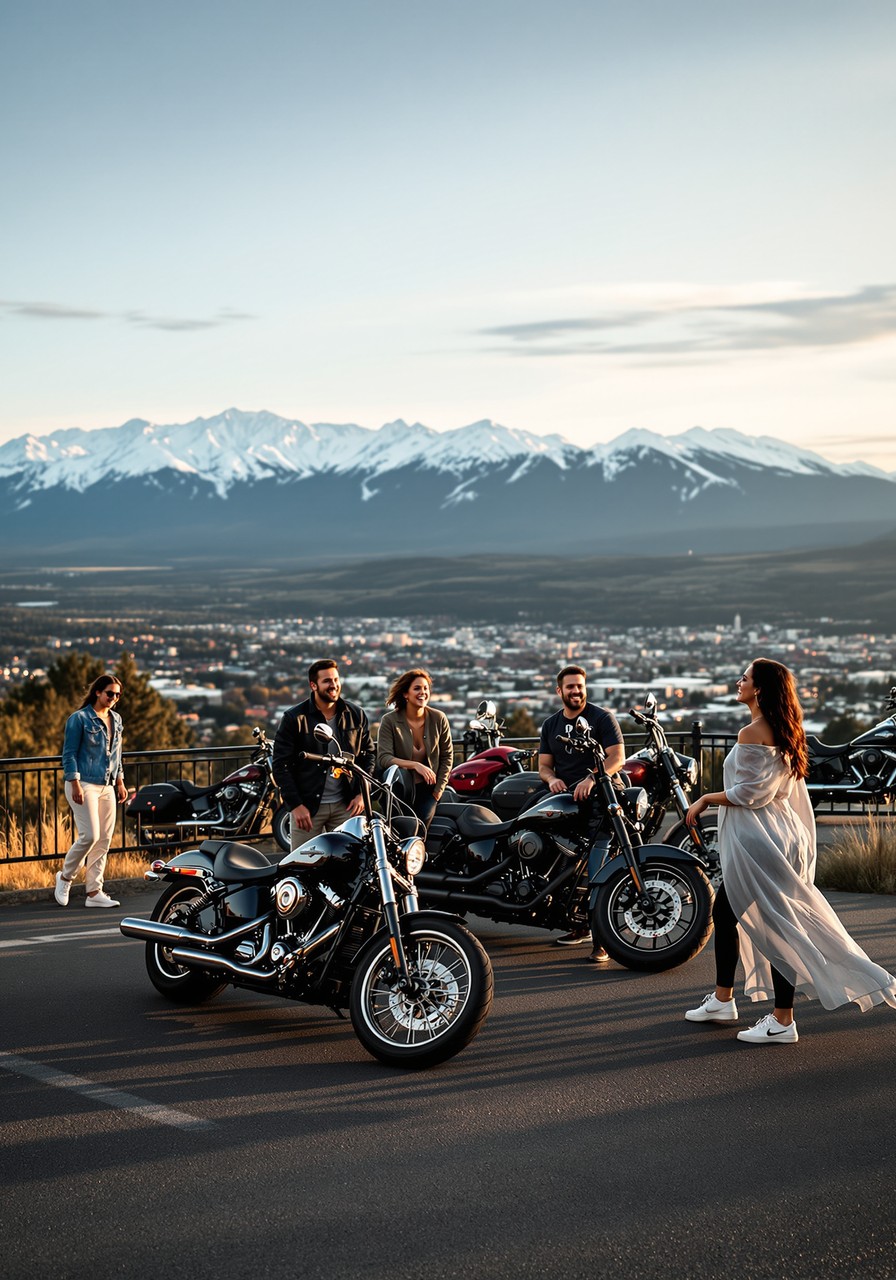
This or that: Lookout Mountain switchbacks or a straight shot up the Peak to Peak. Which one clears your head faster? #RideNationCO #PeakToPeak #DenverRiders
Giveaway & Countdown
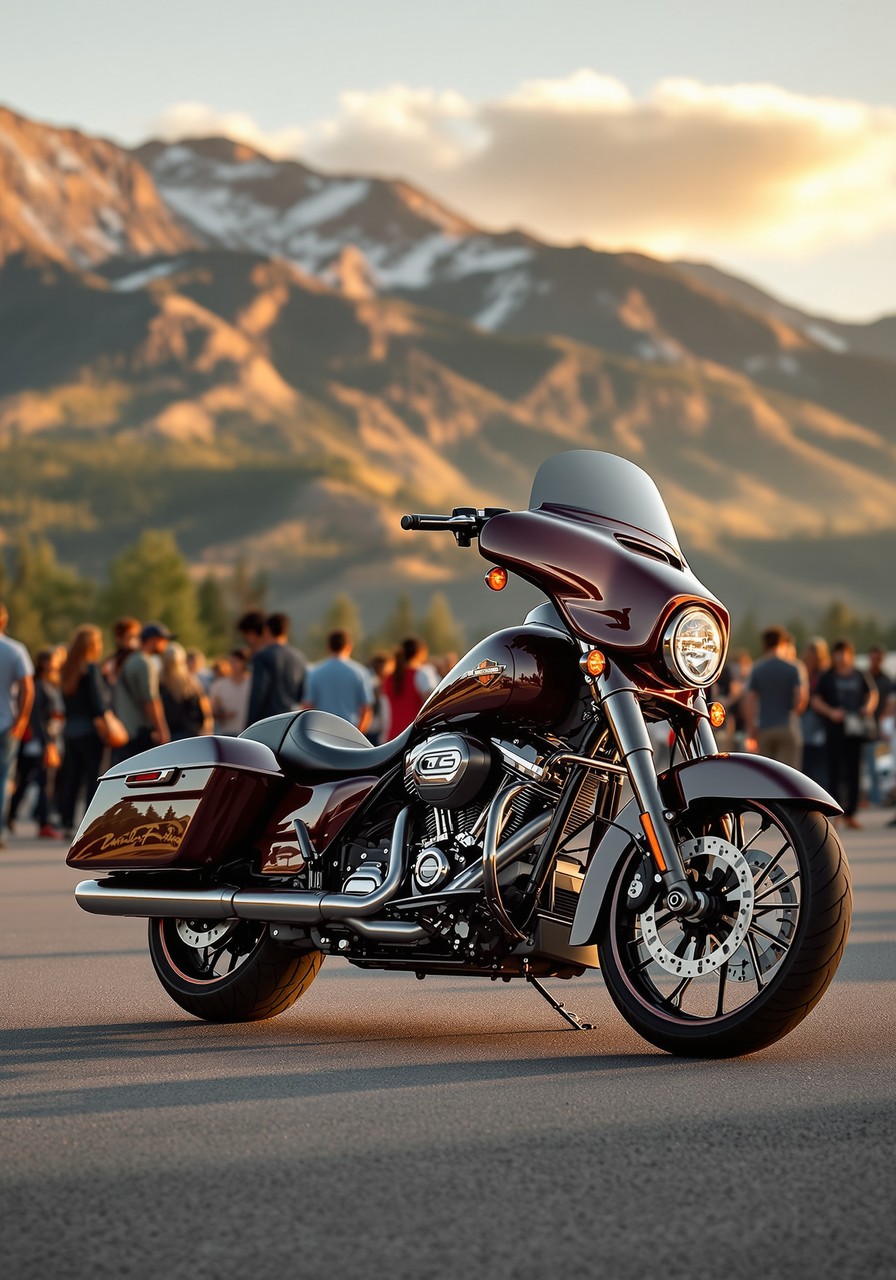
The BikersWin $20,000 motorcycle giveaway is live, Denver. Every rider who talks to Rider Justice about a crash gets entered, free. Call (303) 388-5304 to ask how. #RideNationCO #BikersWin #20kGiveaway
Local CO & Rides
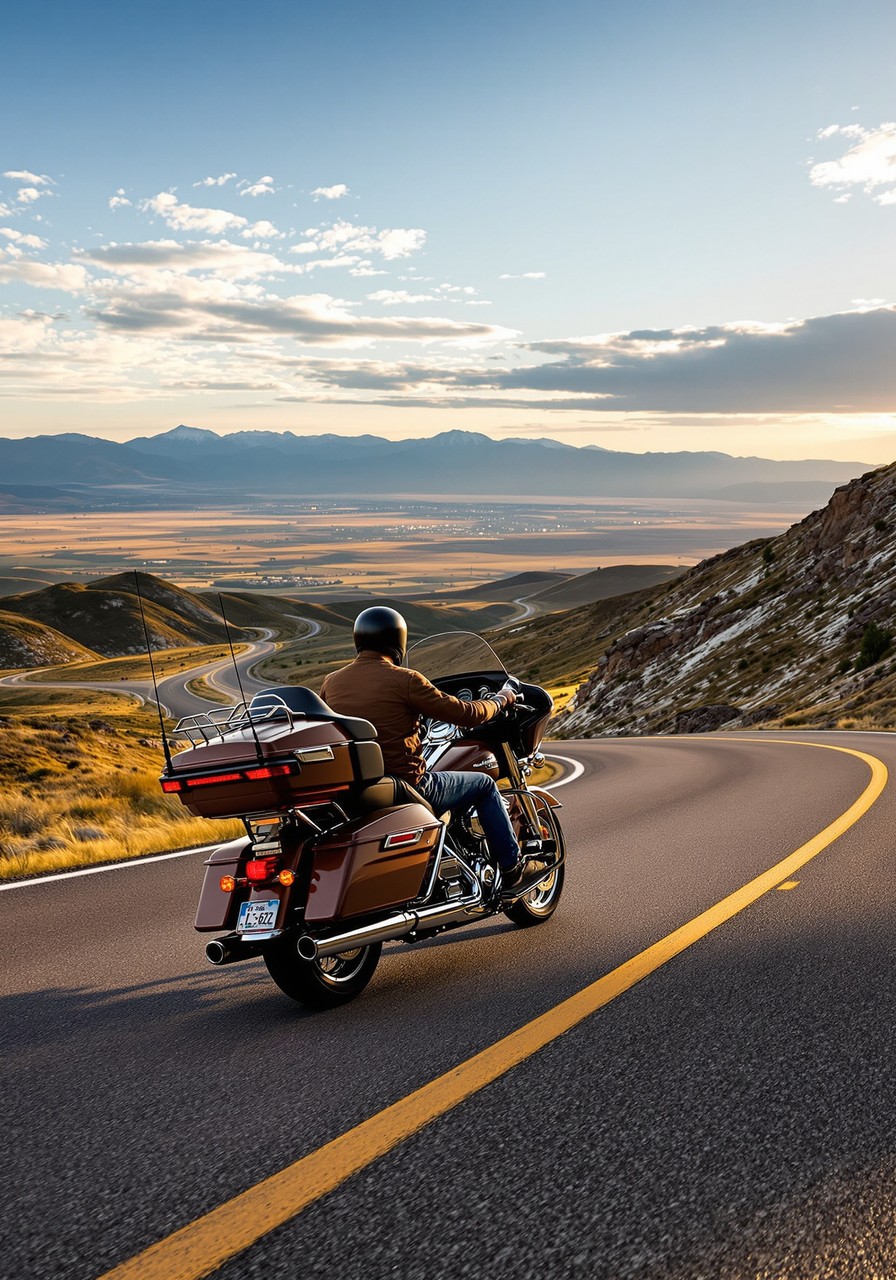
The Lariat Loop up Lookout Mountain, tight switchbacks with the whole Front Range laid out below. First clear spring day, that is where you point the bars. #RideNationCO #LookoutMountain #DenverRiders
Gear & New Iron
In Colorado a helmet is only required under 18, but every rider should wear one. Your skull does not care what the statute says. #RideNationCO #ATGATT #RiderTips
Safety & CO Law
Colorado runs on modified comparative negligence with a 50 percent bar. Hit 50 percent of the fault and you recover nothing, so the other insurer will push blame your way. Know where you stand before you talk to them. Call Rider Justice at (303) 388-5304. #RideNationCO #RiderRights #ColoradoRiders
Engagement
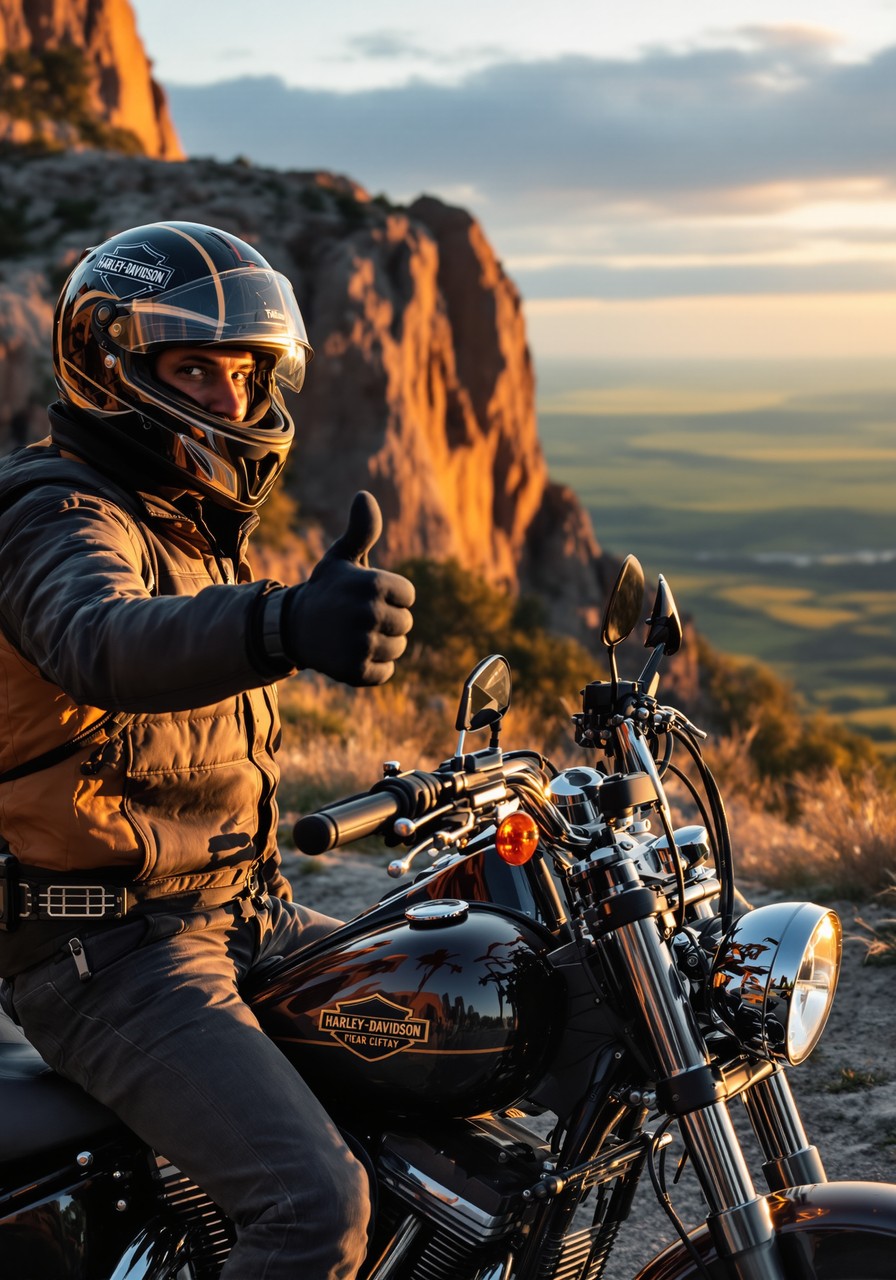
Fill in the blank: my first ride once the passes open is going to be ______. #RideNationCO #RockyMountains #TwoWheels
Giveaway & Countdown
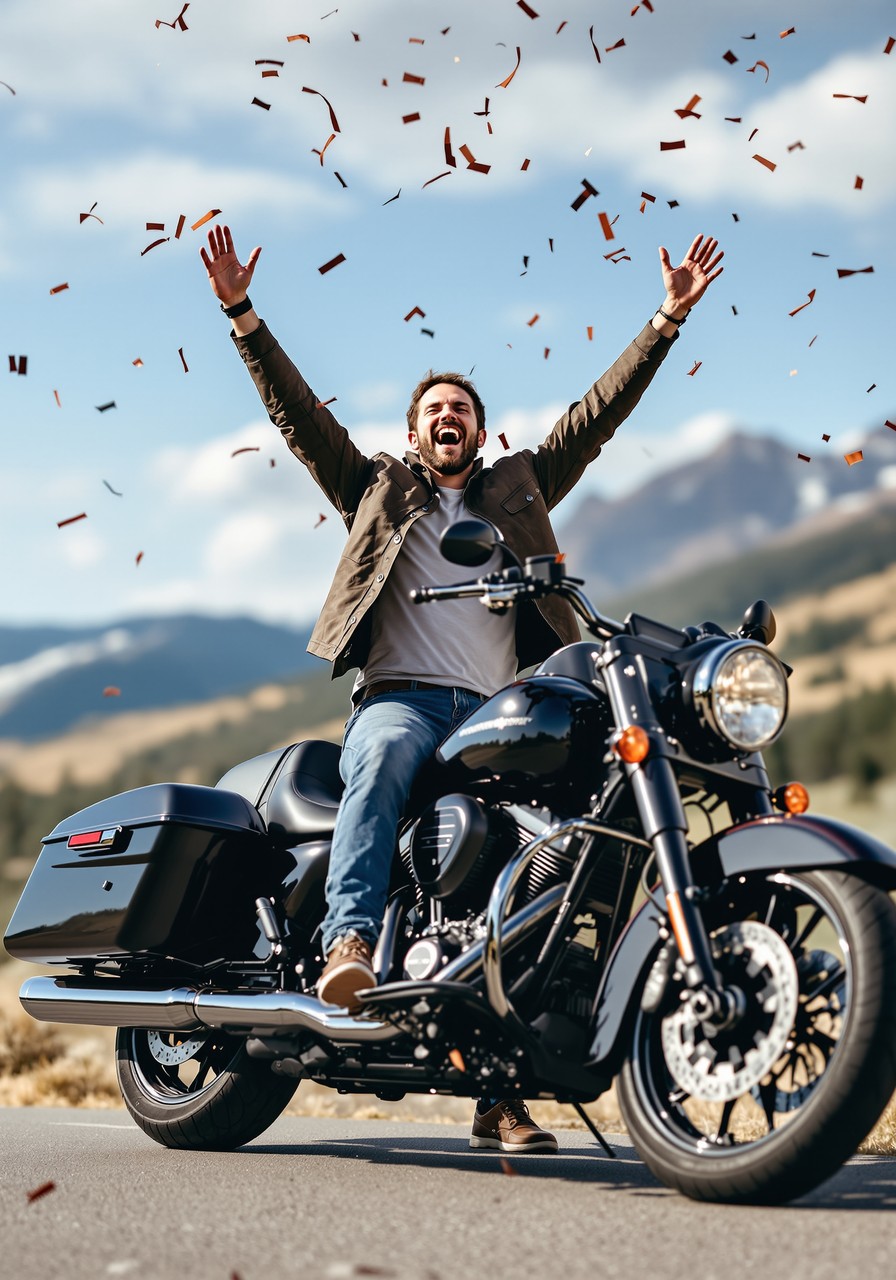
Want in on the $20,000 giveaway? A free case review is your entry, no purchase, no catch. Call Rider Justice at (303) 388-5304. #RideNationCO #MotorcycleGiveaway #DenverRiders
Local CO & Rides
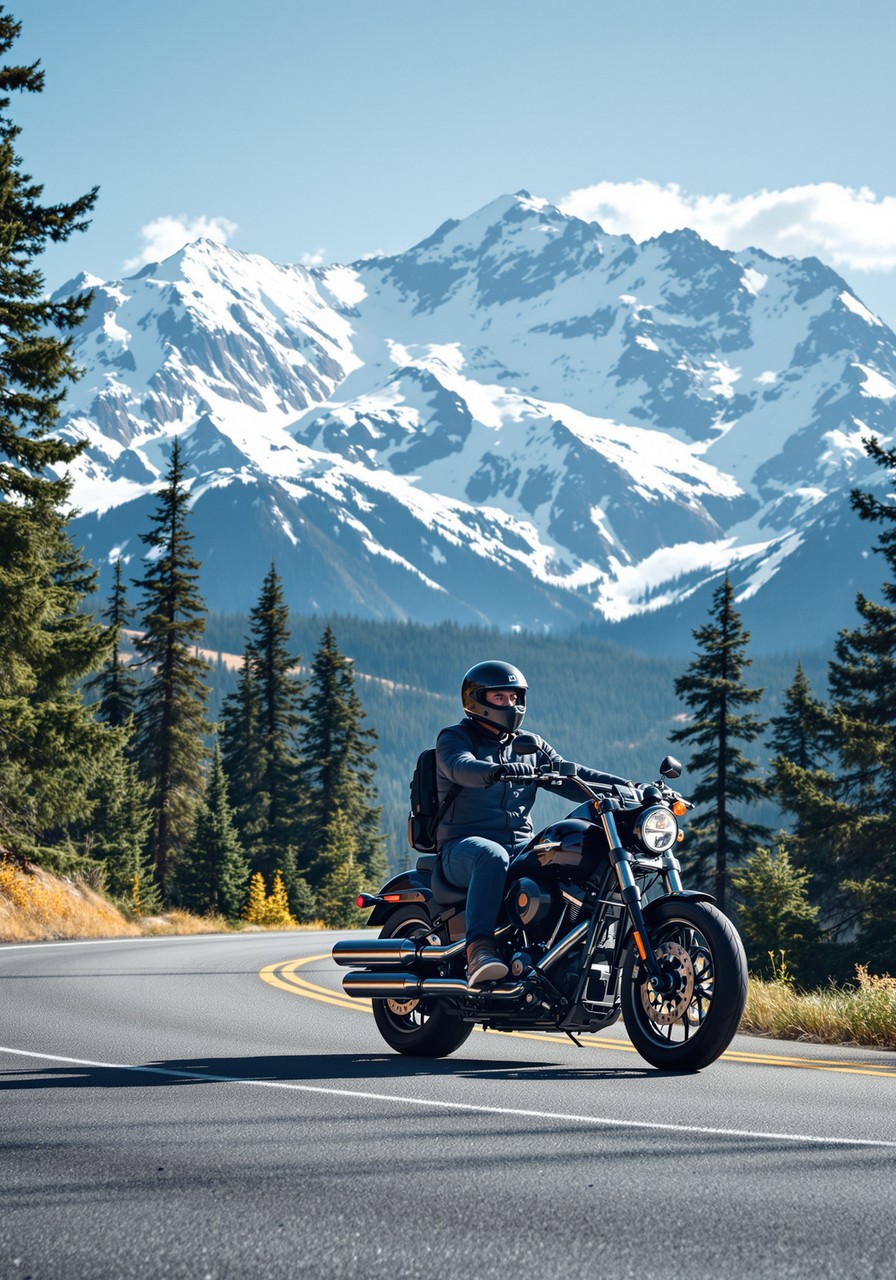
Peak to Peak Highway from Nederland up toward Estes, CO-72 into CO-7. Pines, meadows, and long sweepers. Save it for a settled summer morning. #RideNationCO #PeakToPeak #ColoradoRiders
Gear & New Iron
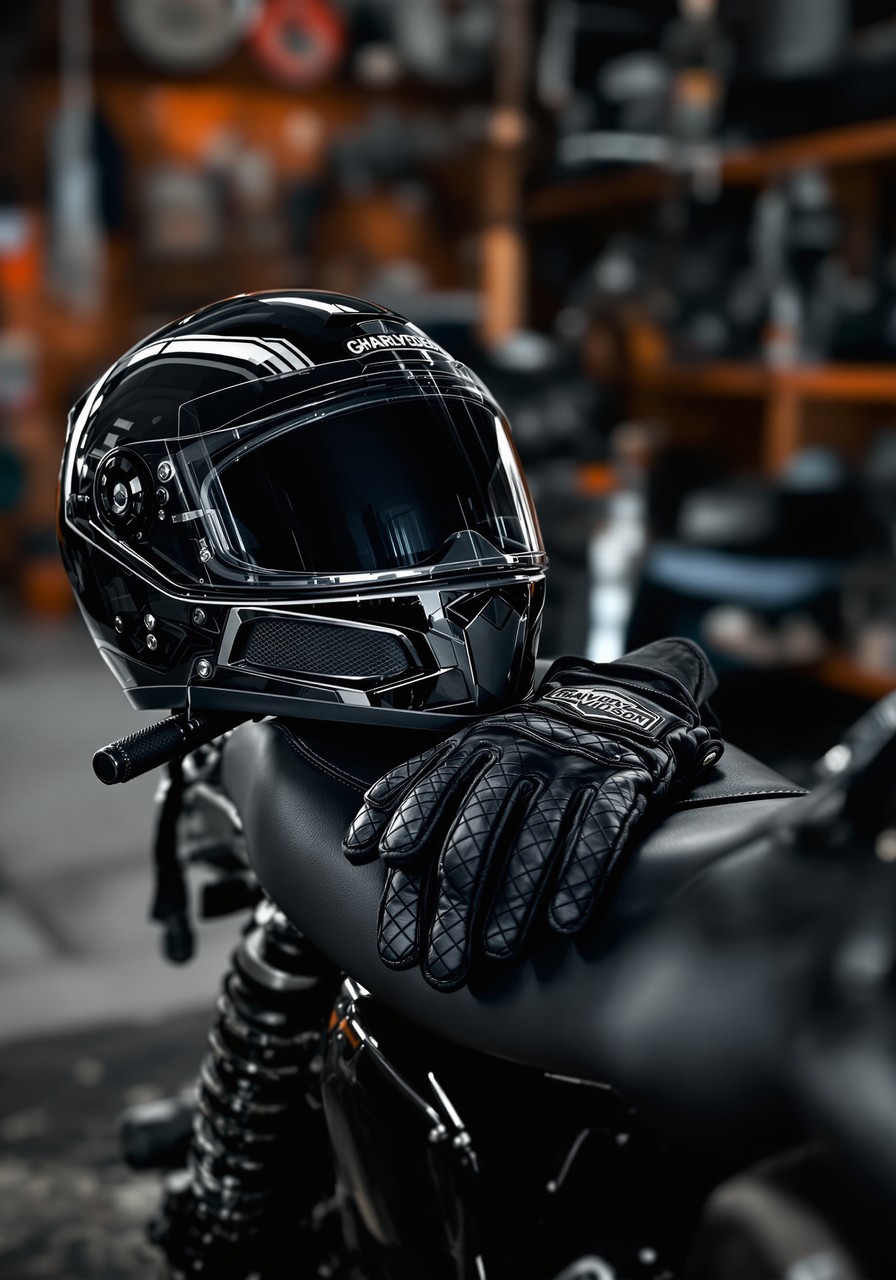
Eye protection is the law here for all riders, no exceptions. A cheap pair of shades will not stop I-70 grit at 70mph. Get real riding glasses. #RideNationCO #GearUp #DenverRiders
Safety & CO Law
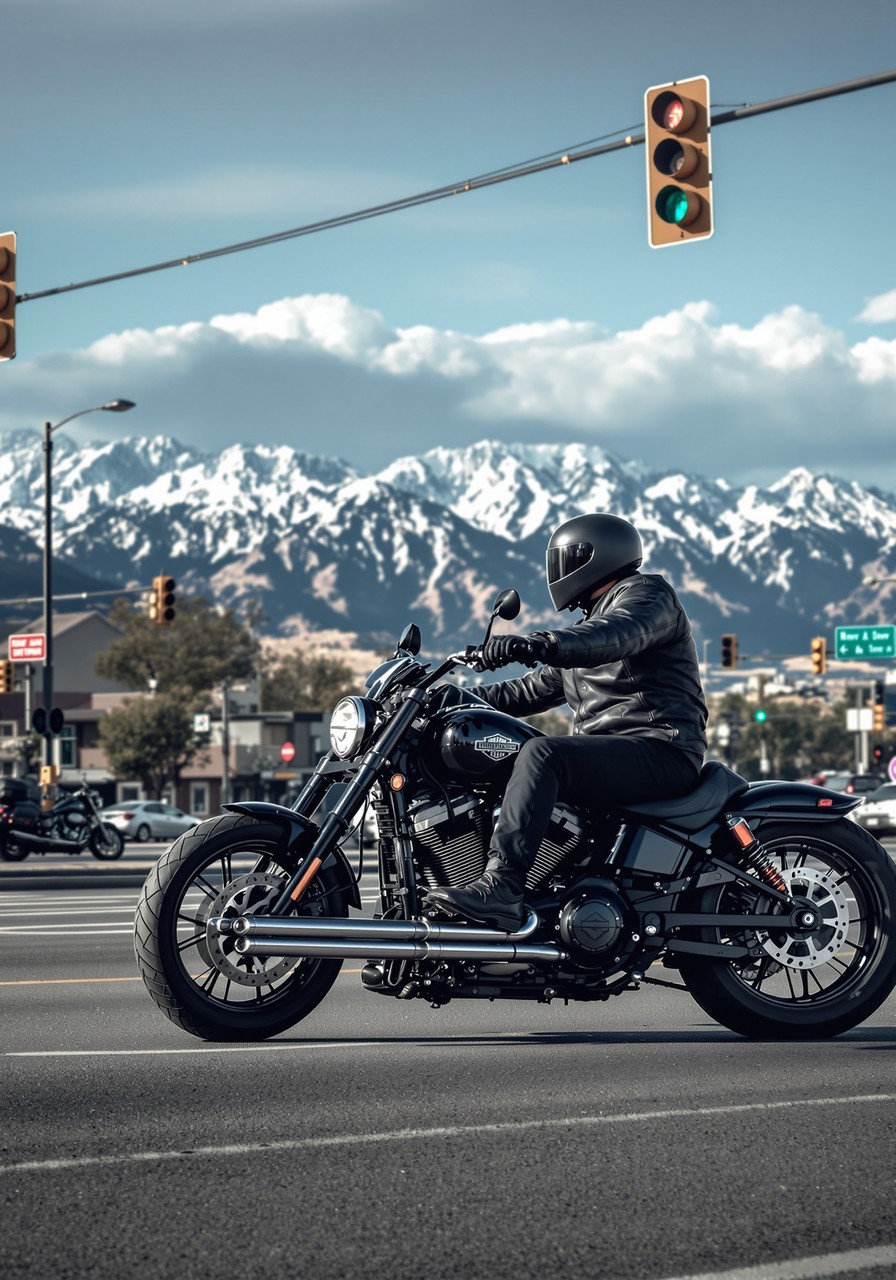
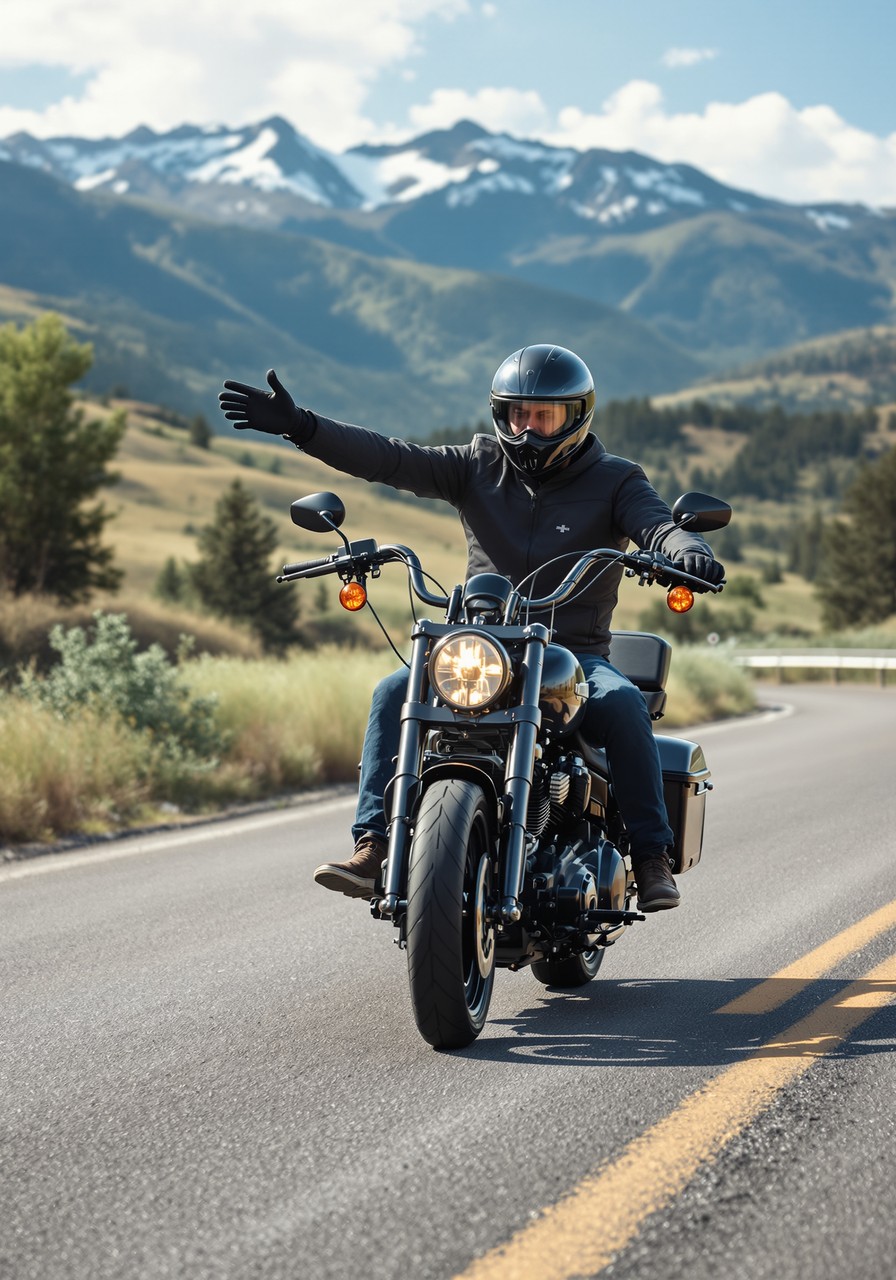
Since August 2024, lane filtering is legal in Colorado. You can move past stopped traffic at 15 mph or less when it is safe. Splitting through moving traffic still is not legal, so pick your moments. #RideNationCO #MotorcycleSafety #DenverRiders
Engagement
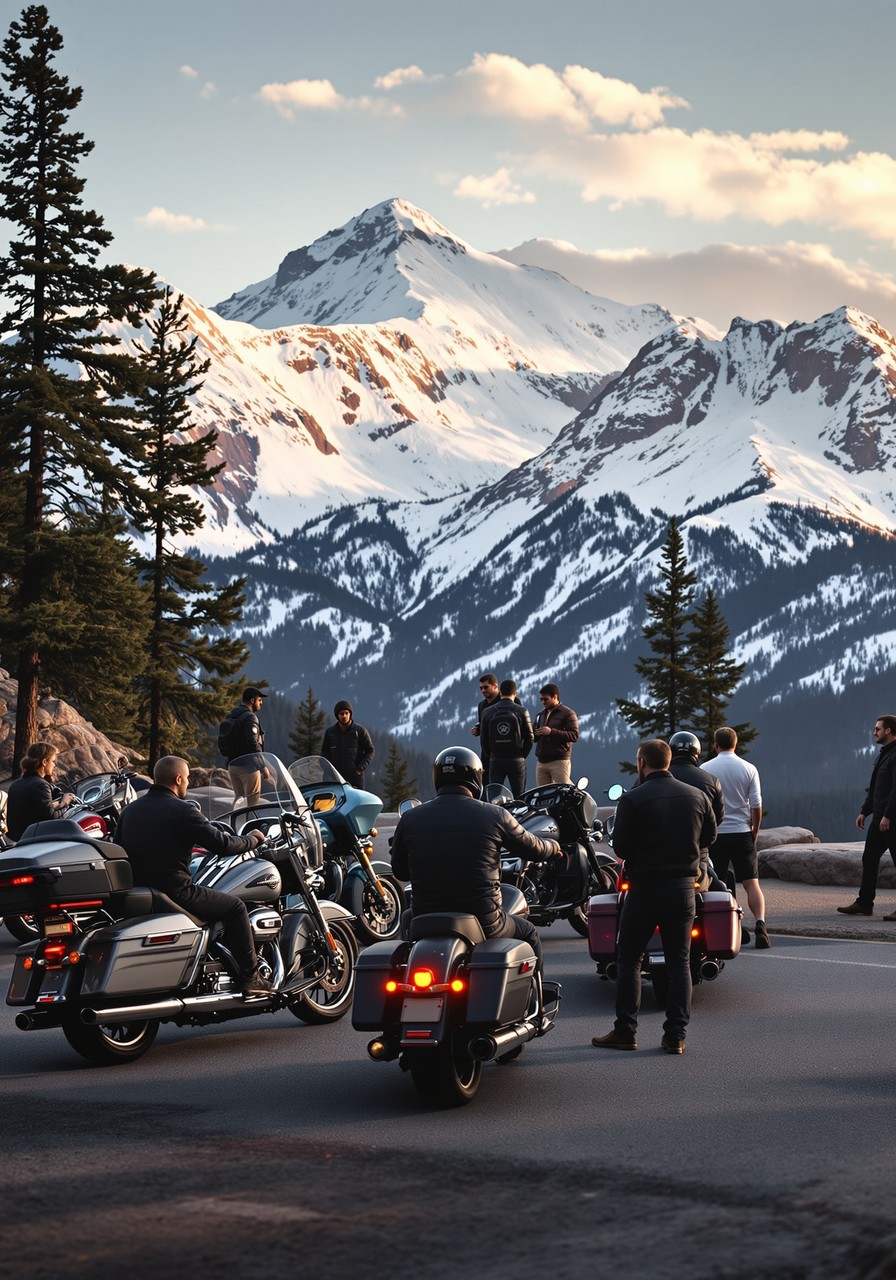
Tag your ride-or-die, the one who texts you roads are dry before you even check. #RideNationCO #RideOrDie #FrontRange
Giveaway & Countdown
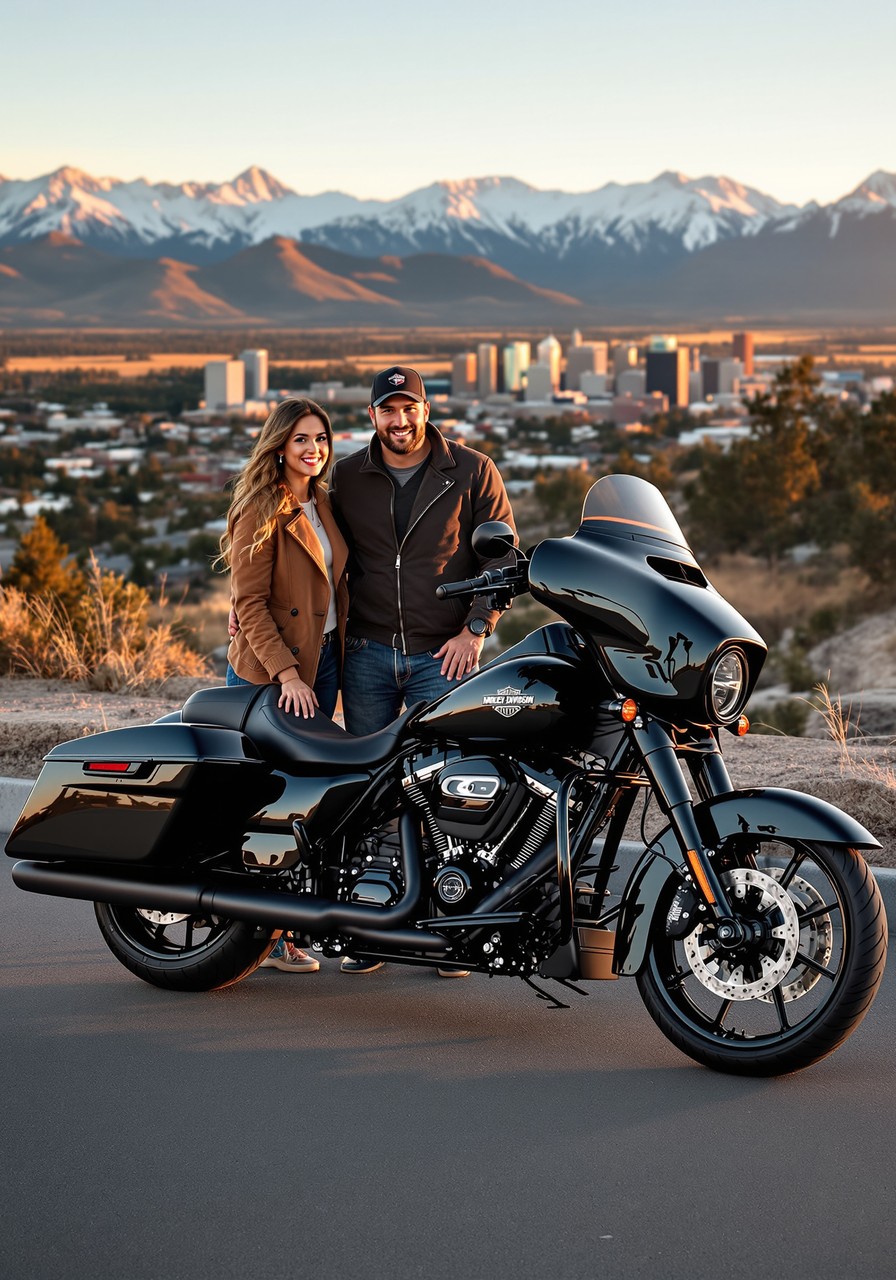
Been down on Colorado roads this year? Talking to us about it enters you in the BikersWin giveaway. Call (303) 388-5304. #RideNationCO #BikersWin #ColoradoRiders
Local CO & Rides
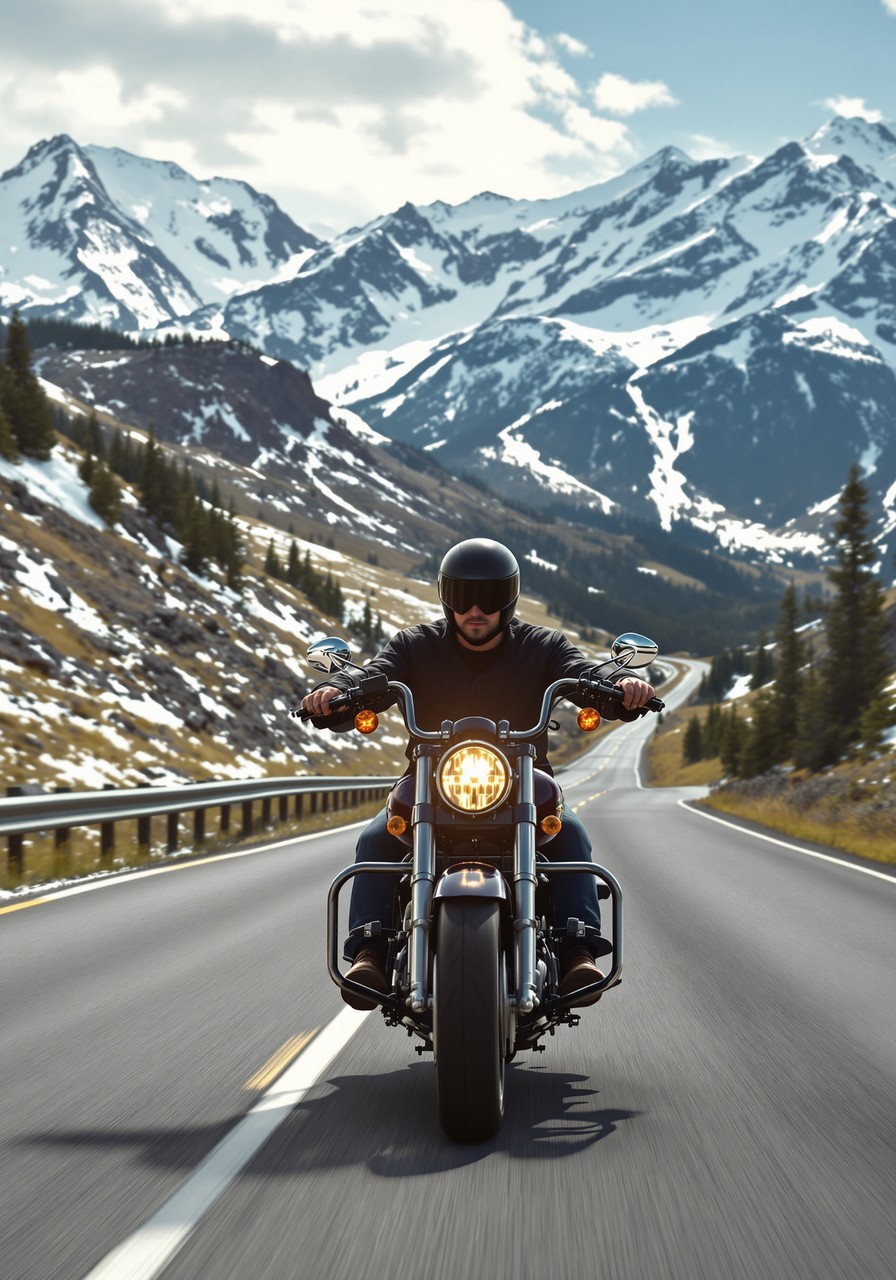
Deer Creek Canyon out of Littleton is a local favorite for a reason. Ride it early before the cyclists and cages stack up. #RideNationCO #FrontRange #DenverRiders
Gear & New Iron
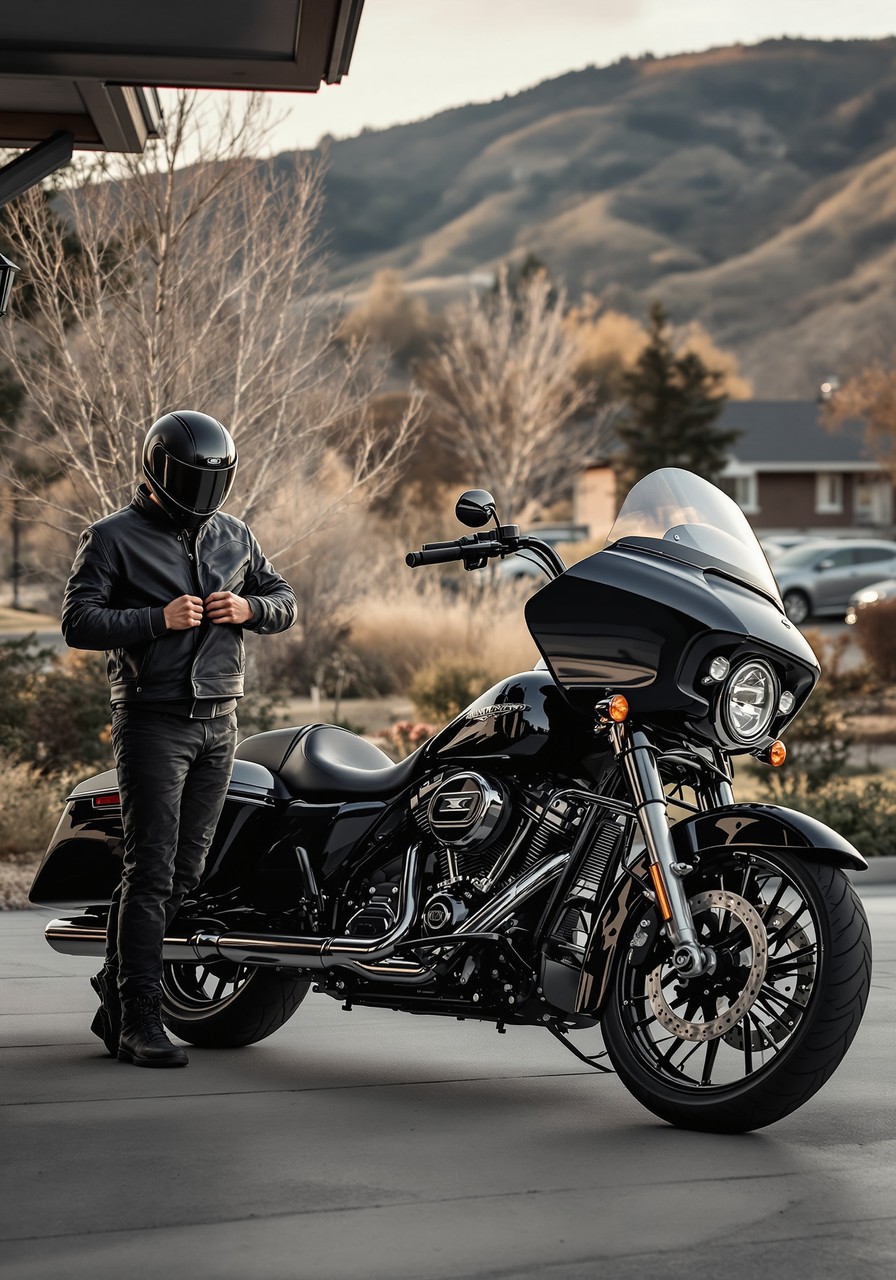
Dropped your helmet in the garage? The foam can crack even when the shell looks fine. When in doubt, replace it. #RideNationCO #GearUp #RiderTips
Safety & CO Law
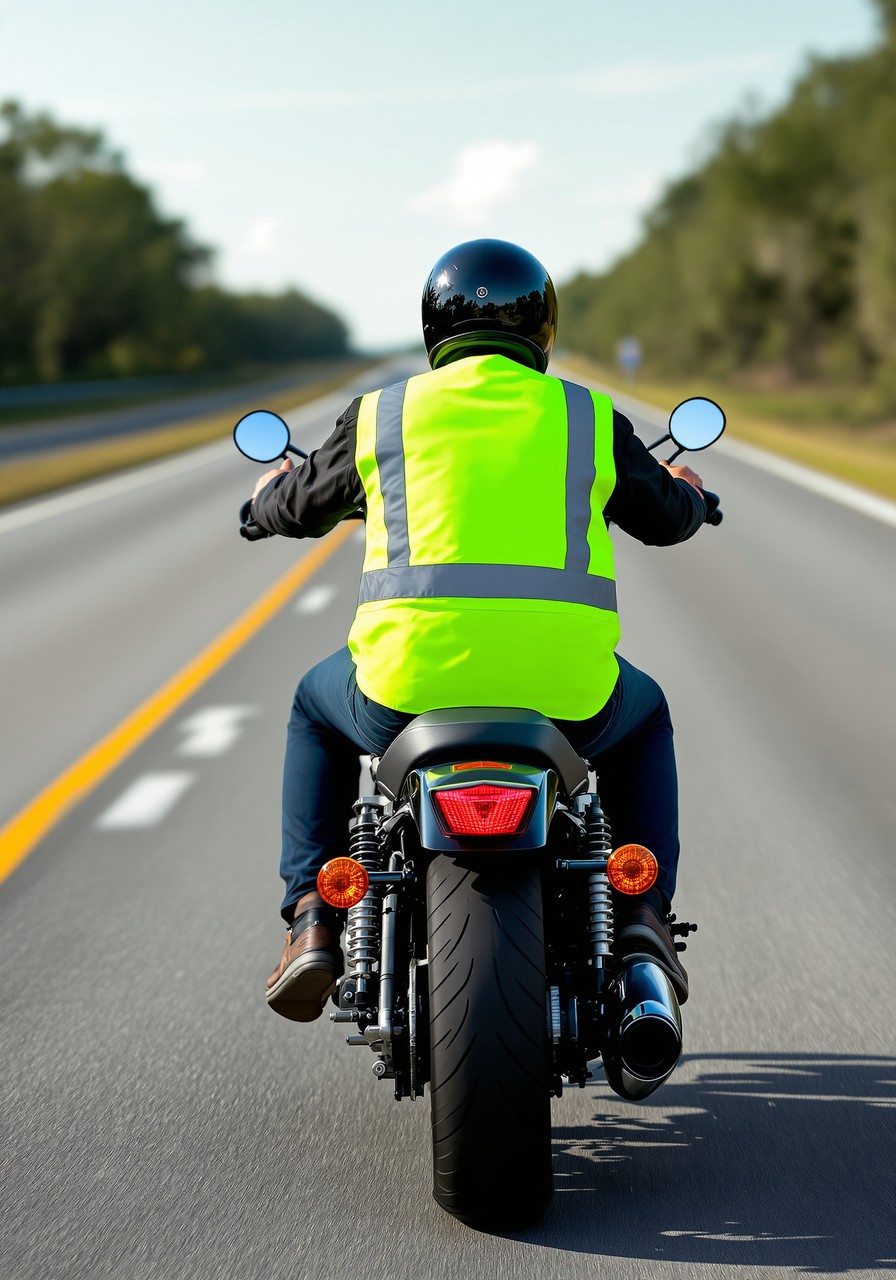
Colorado has no no-fault and no PIP, so after a crash you lean on health insurance, MedPay, the at-fault driver, and your UM/UIM. That UM/UIM is your real backstop when the other guy has nothing. Not sure what you carry? Call Rider Justice at (303) 388-5304. #RideNationCO #RiderRights #FrontRange
Engagement
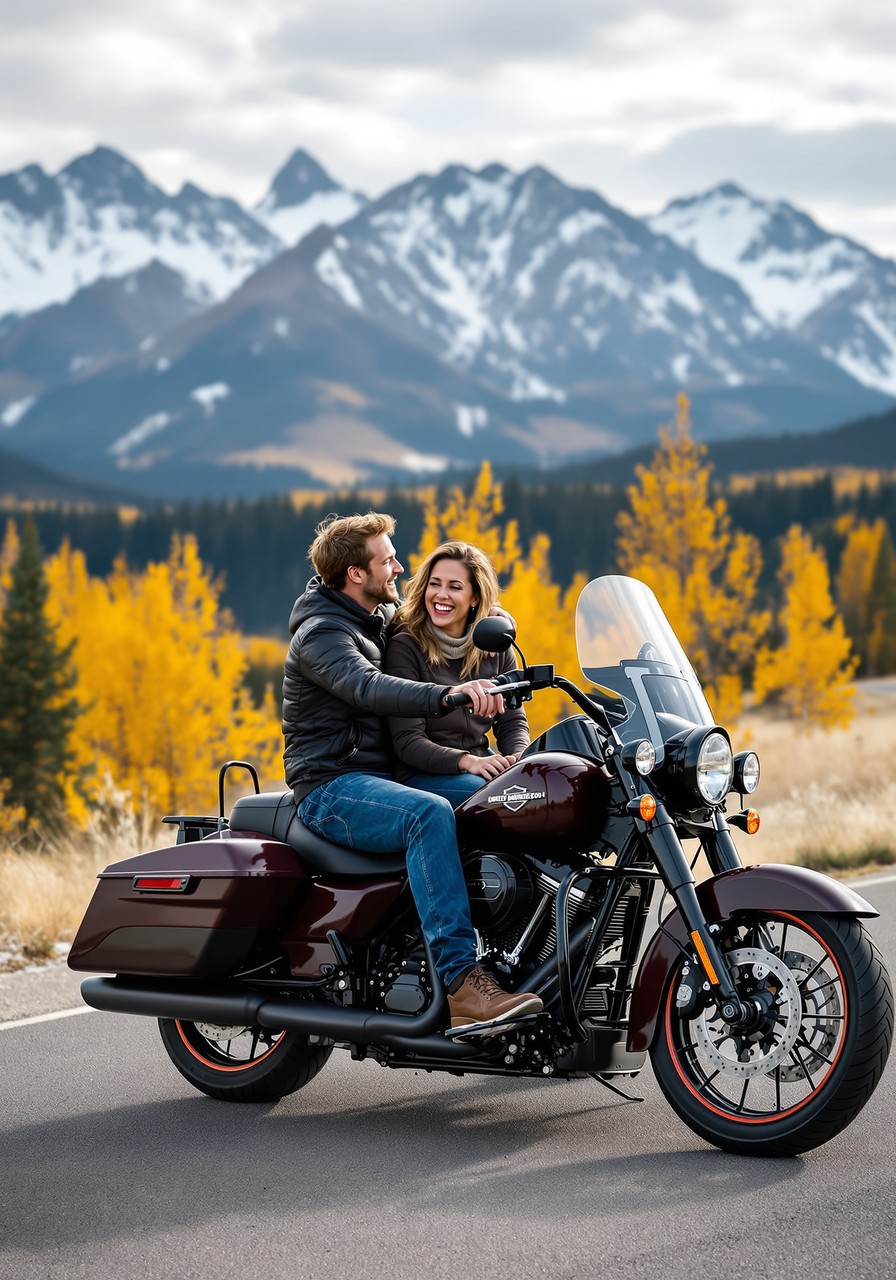
Caption this: that first warm chinook day in February and your whole garage staring at you. #RideNationCO #MileHigh #ColoradoRiders
Giveaway & Countdown
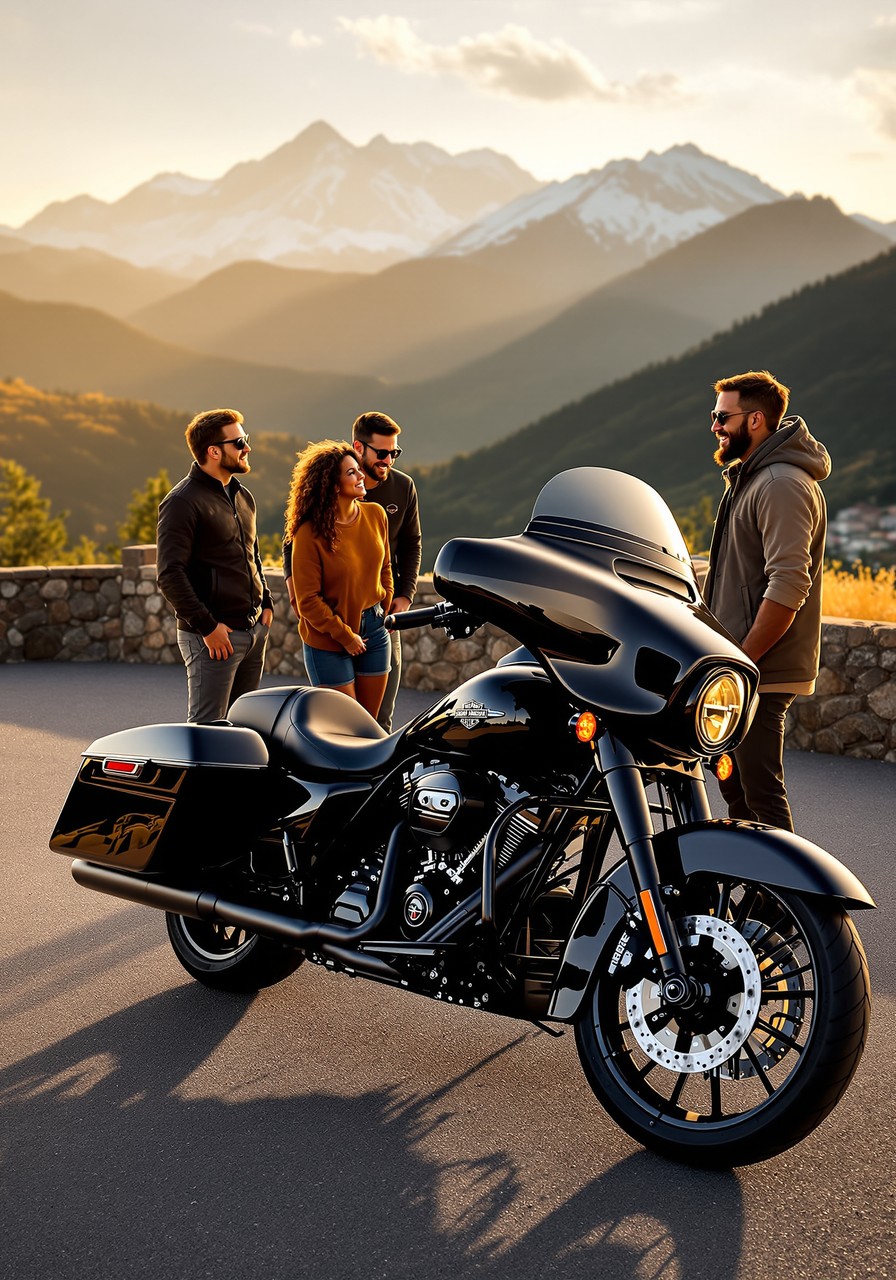
Entering is easy and free. Pick up the phone, tell Rider Justice about your crash, and you are in the $20,000 running. (303) 388-5304. #RideNationCO #20kGiveaway #FrontRange
Local CO & Rides
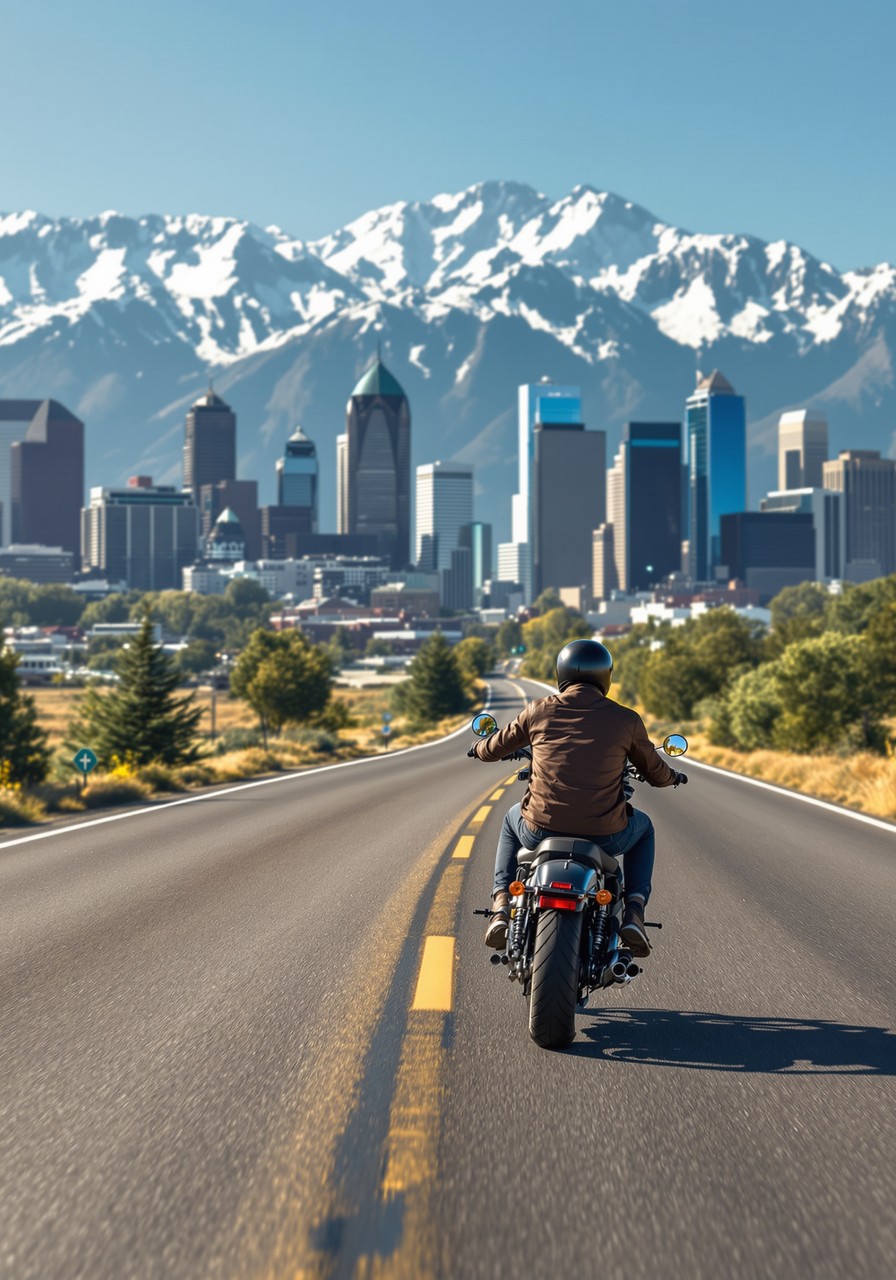
Golden Gate Canyon Road climbs fast and twisty out of Golden. Watch the shaded corners on a cool morning, they stay damp long after the sun is up. #RideNationCO #MotorcycleRoads #ColoradoRiders
Gear & New Iron
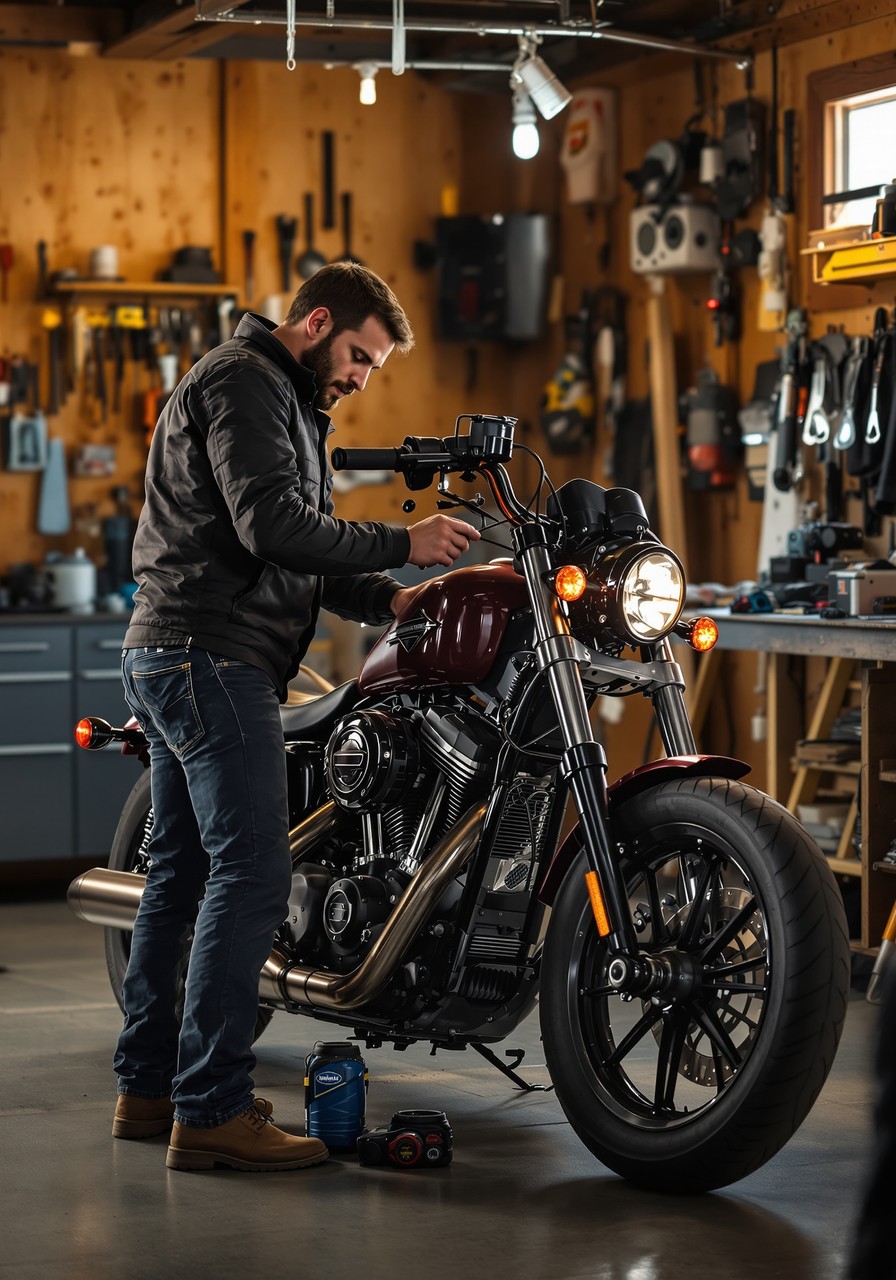
The 5-year rule on helmets is real. Sweat, sun, and UV break down the liner even if it never took a hit. Check that date sticker. #RideNationCO #GearUp #MotorcycleMaintenance
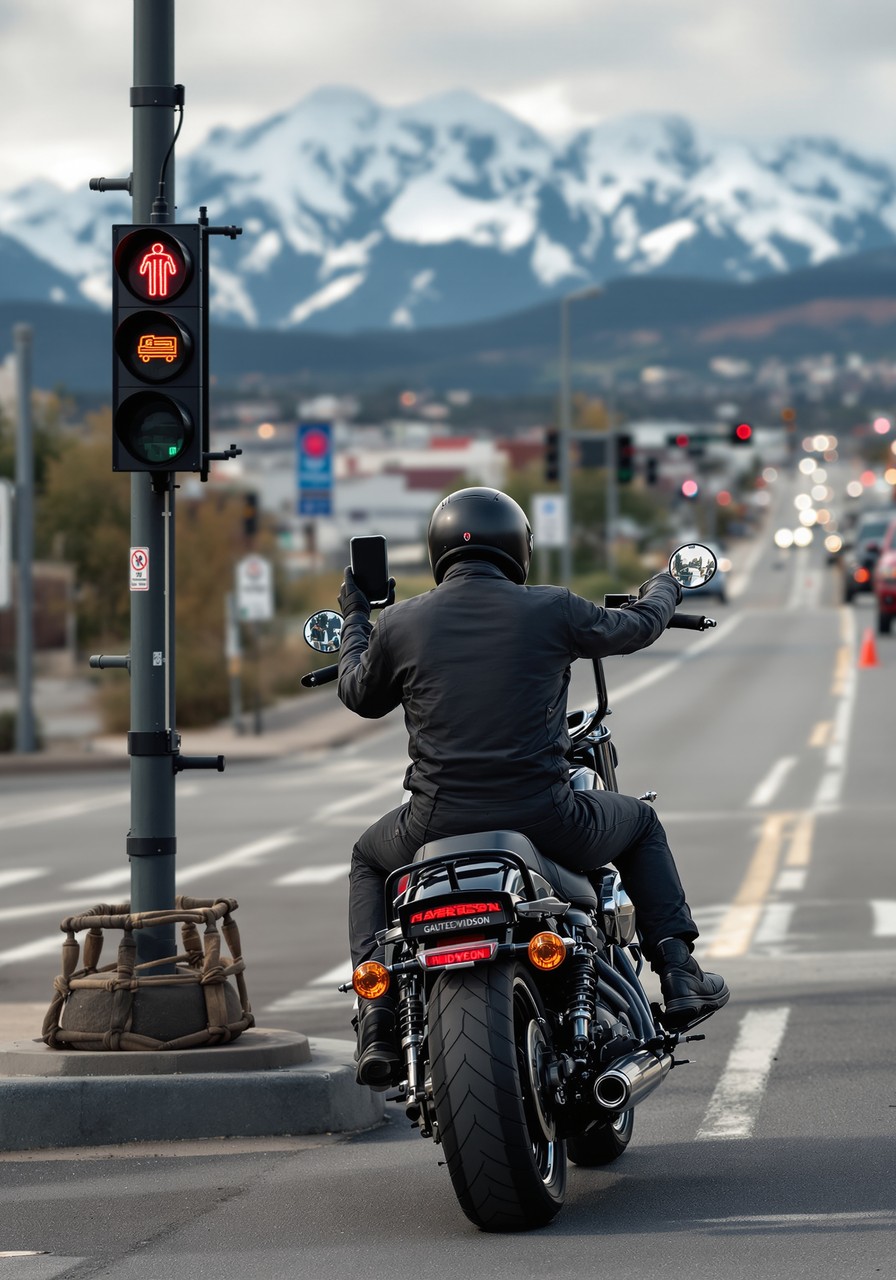
Safety & CO Law
In Colorado a helmet is only required for riders and passengers under 18, but eye protection is required for everyone. A lid is smart at any age, no matter what the law asks. #RideNationCO #ATGATT #MotorcycleSafety
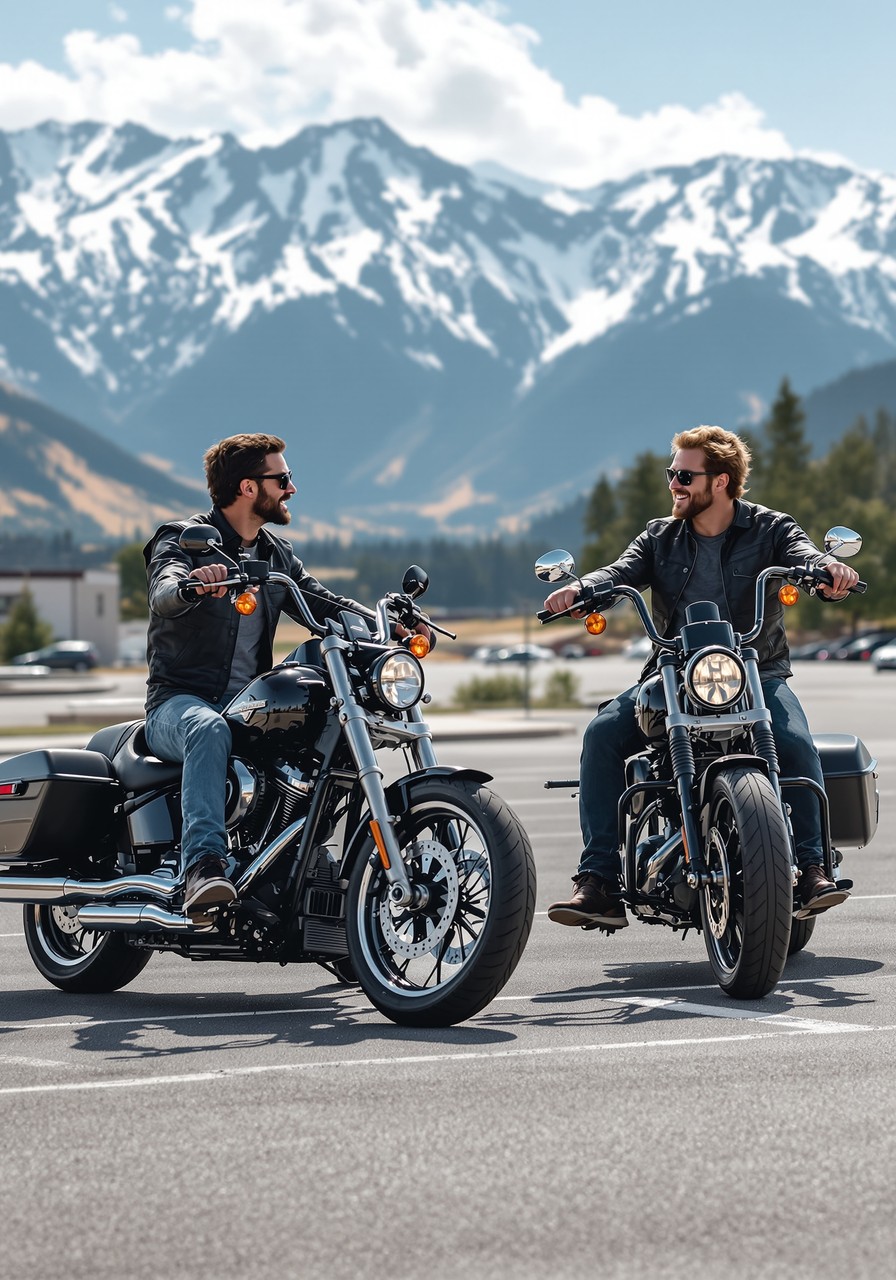
Engagement
Poll: winter layup done right with a battery tender and a cover, or you sneak it out every dry Saturday? #RideNationCO #DenverRiders #TwoWheels
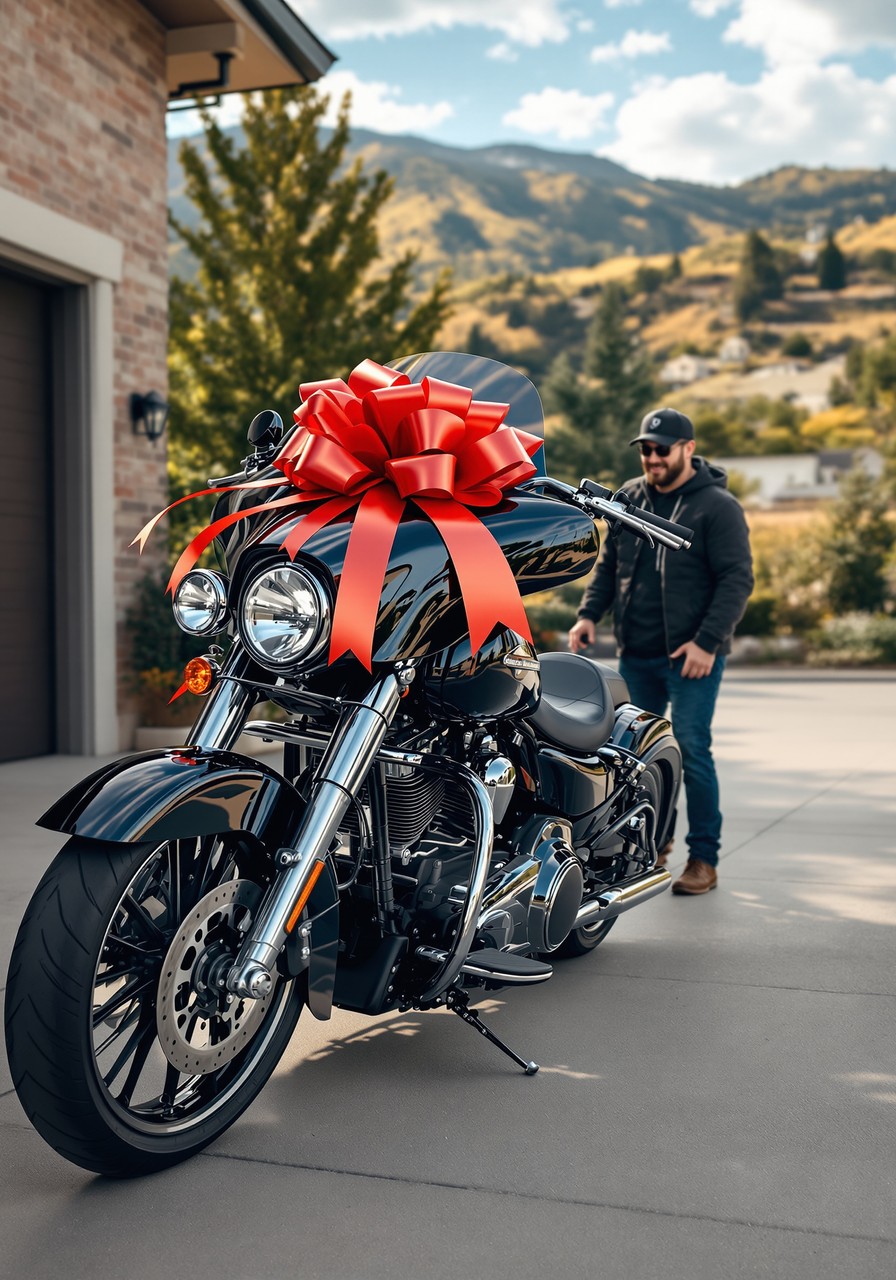
Giveaway & Countdown
Questions about the giveaway? We have answers. Call Rider Justice at (303) 388-5304 and ask how a free case review gets you entered. #RideNationCO #BikersWin #DenverRiders
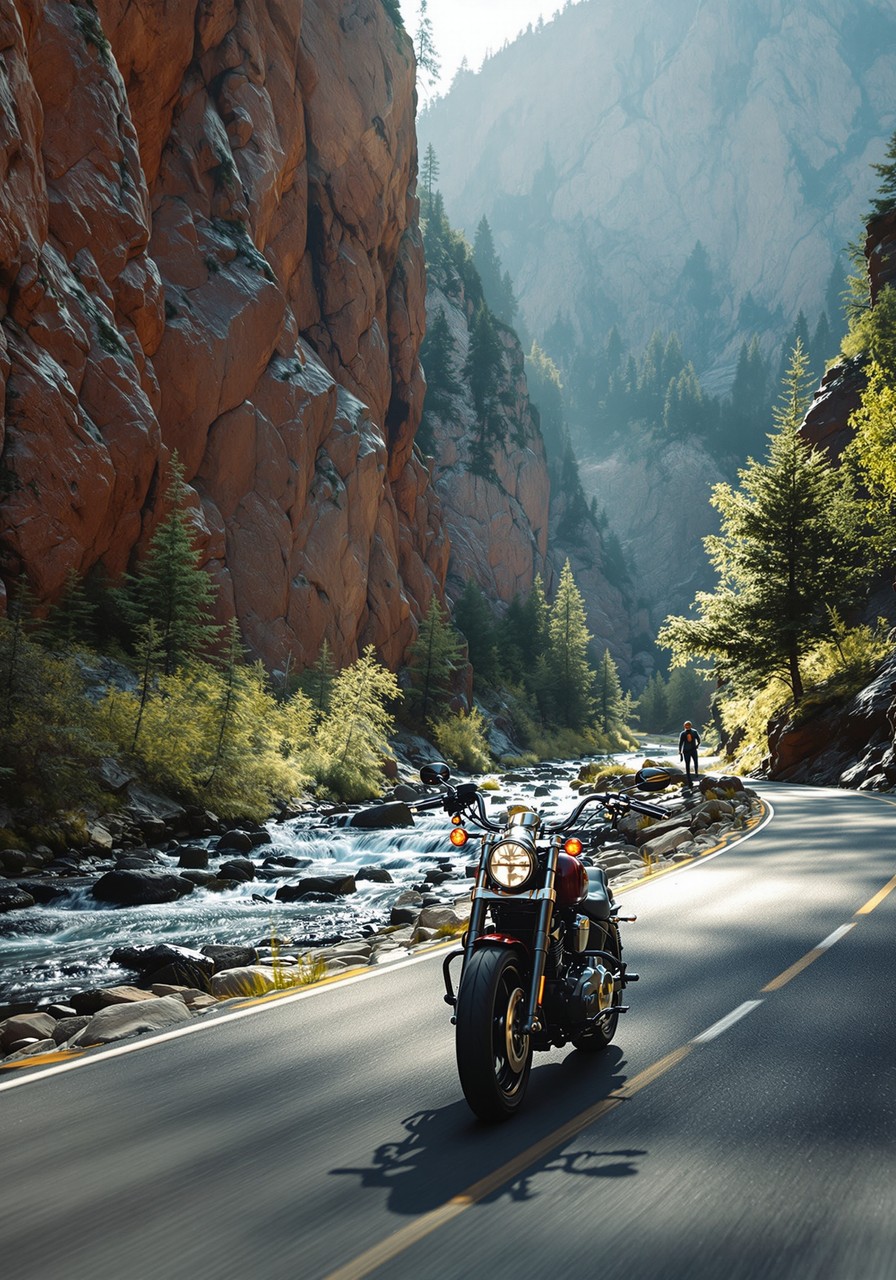
Local CO & Rides
Guanella Pass between Grant and Georgetown is one of the prettiest half days you can string together. Wait until the snow is fully gone up top. #RideNationCO #RockyMountains #ColoradoRiders
Gear & New Iron
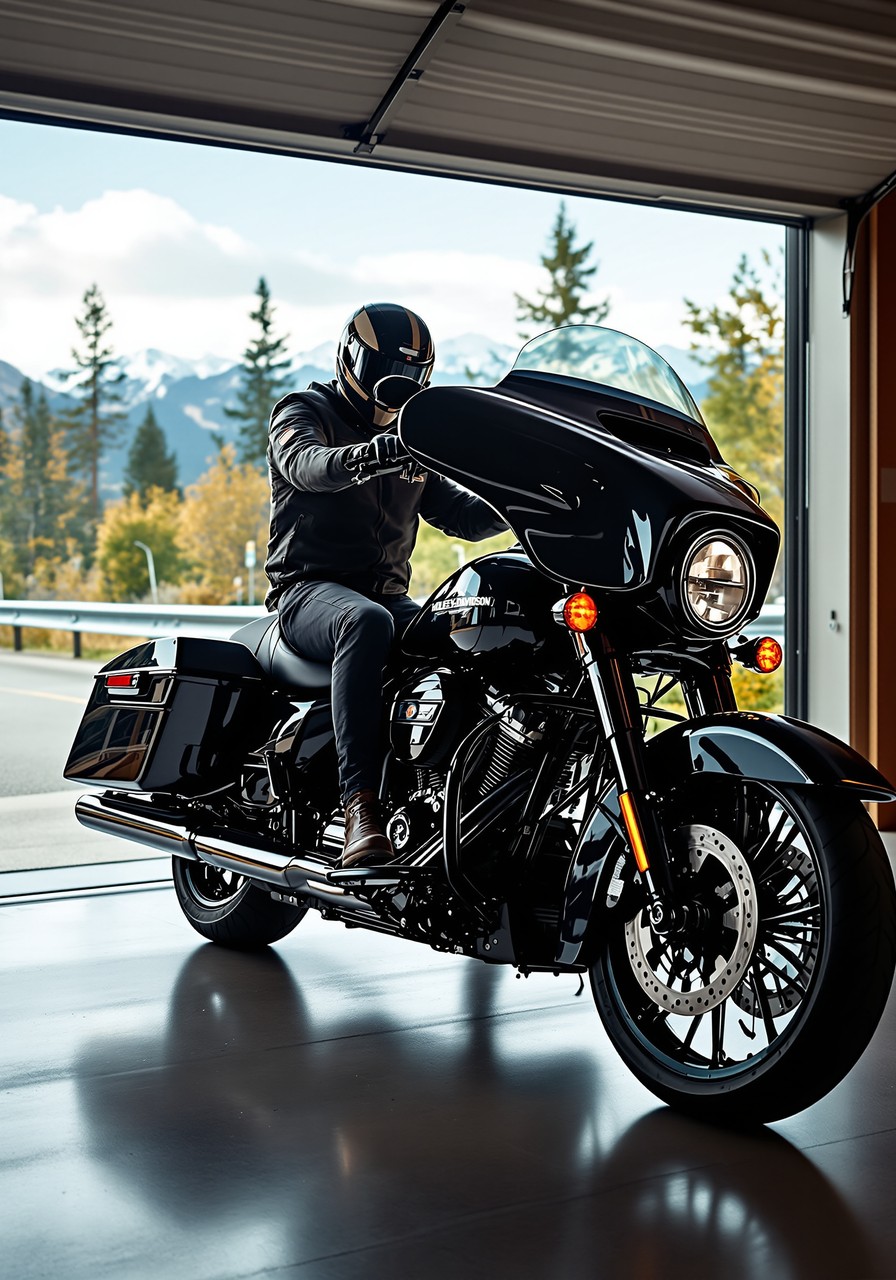
A full-face beats a faceful of gravel every time. Front Range wind and grit make a good shield worth every dollar. #RideNationCO #ATGATT #ColdWeatherRiding
Safety & CO Law
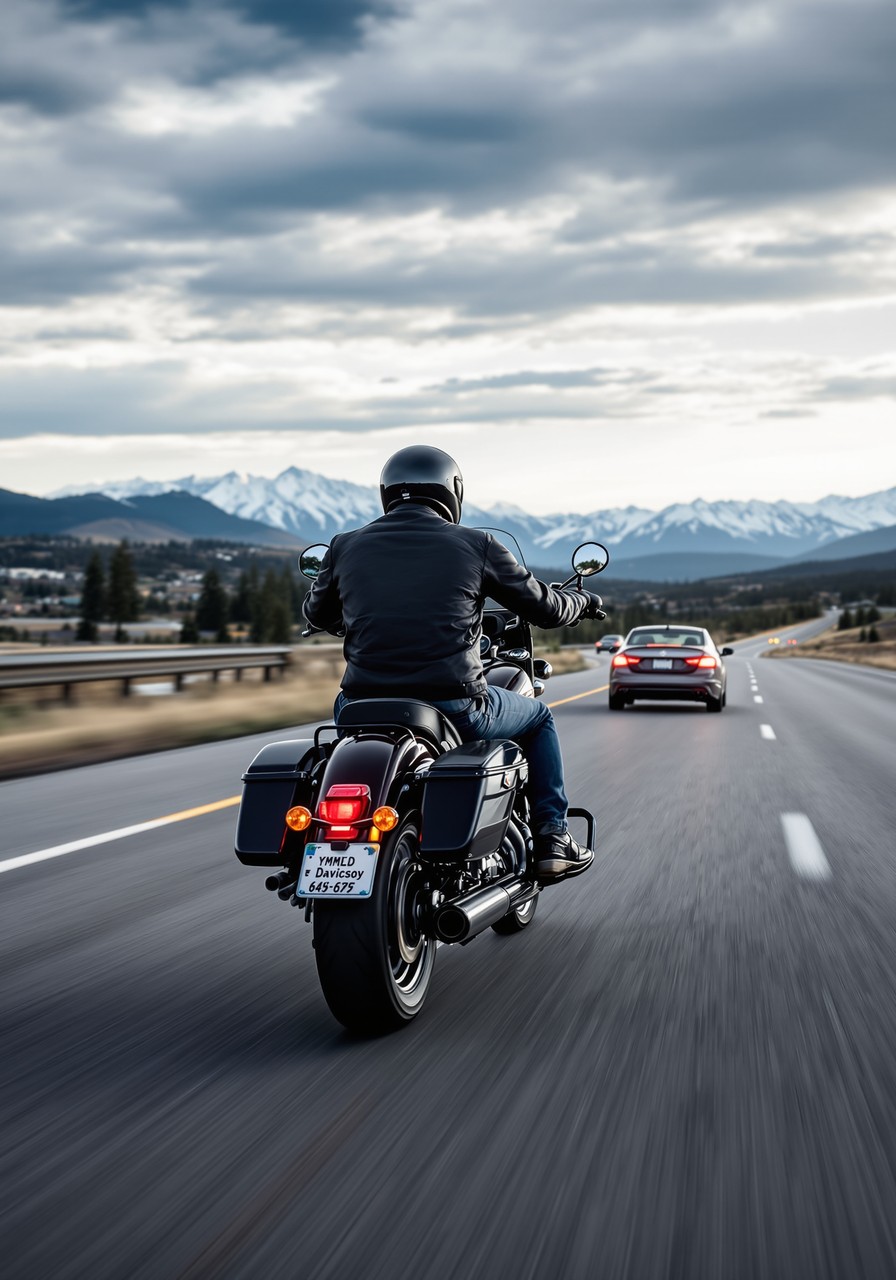
You have three years to file a motor vehicle injury claim in Colorado, but memories fade and evidence disappears long before that. The sooner you know your rights, the stronger your case. Questions? Call Rider Justice at (303) 388-5304. #RideNationCO #KnowYourRights #ColoradoRiders
Engagement
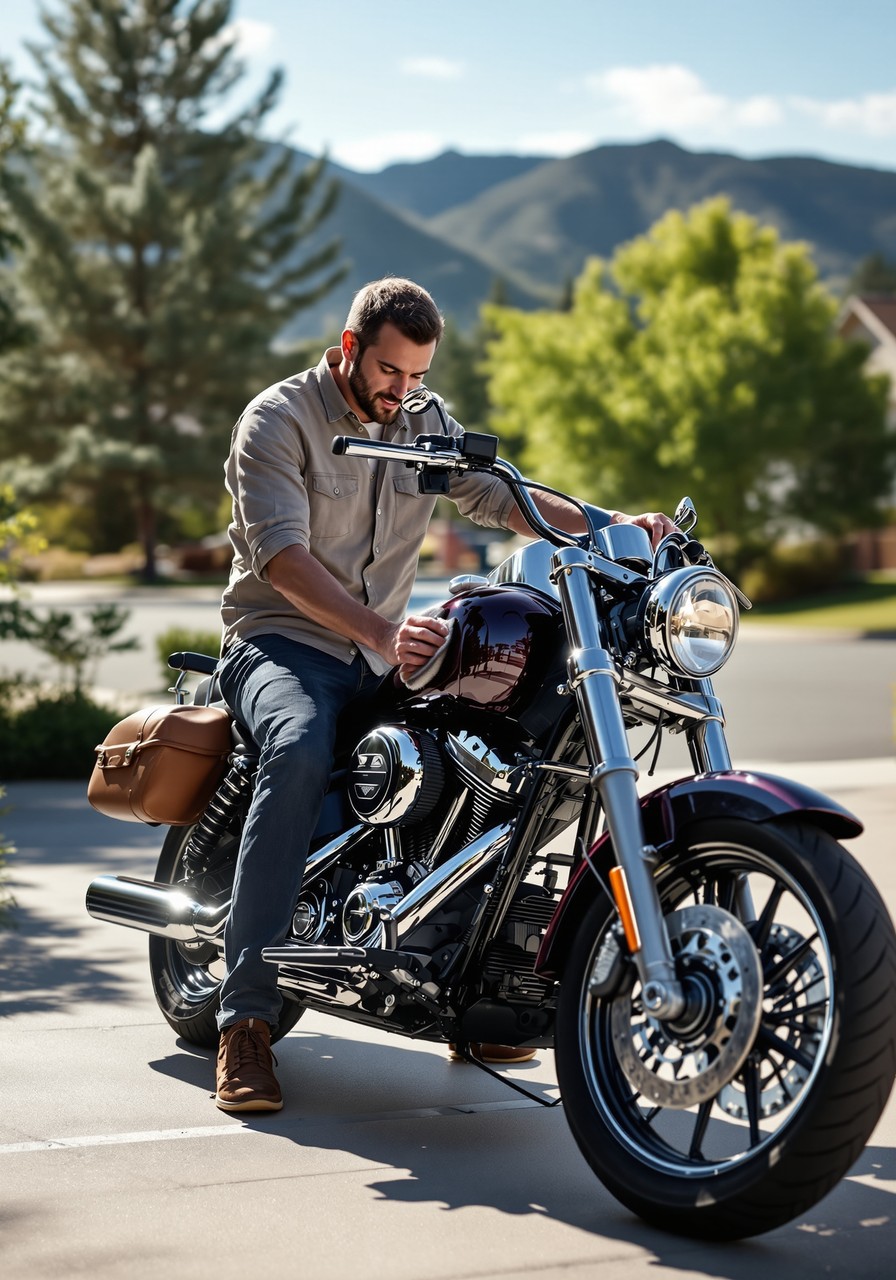
This or that: heated grips or just tougher gloves and a good attitude. Defend your pick. #RideNationCO #FrontRange #ColoradoRiders
Giveaway & Countdown
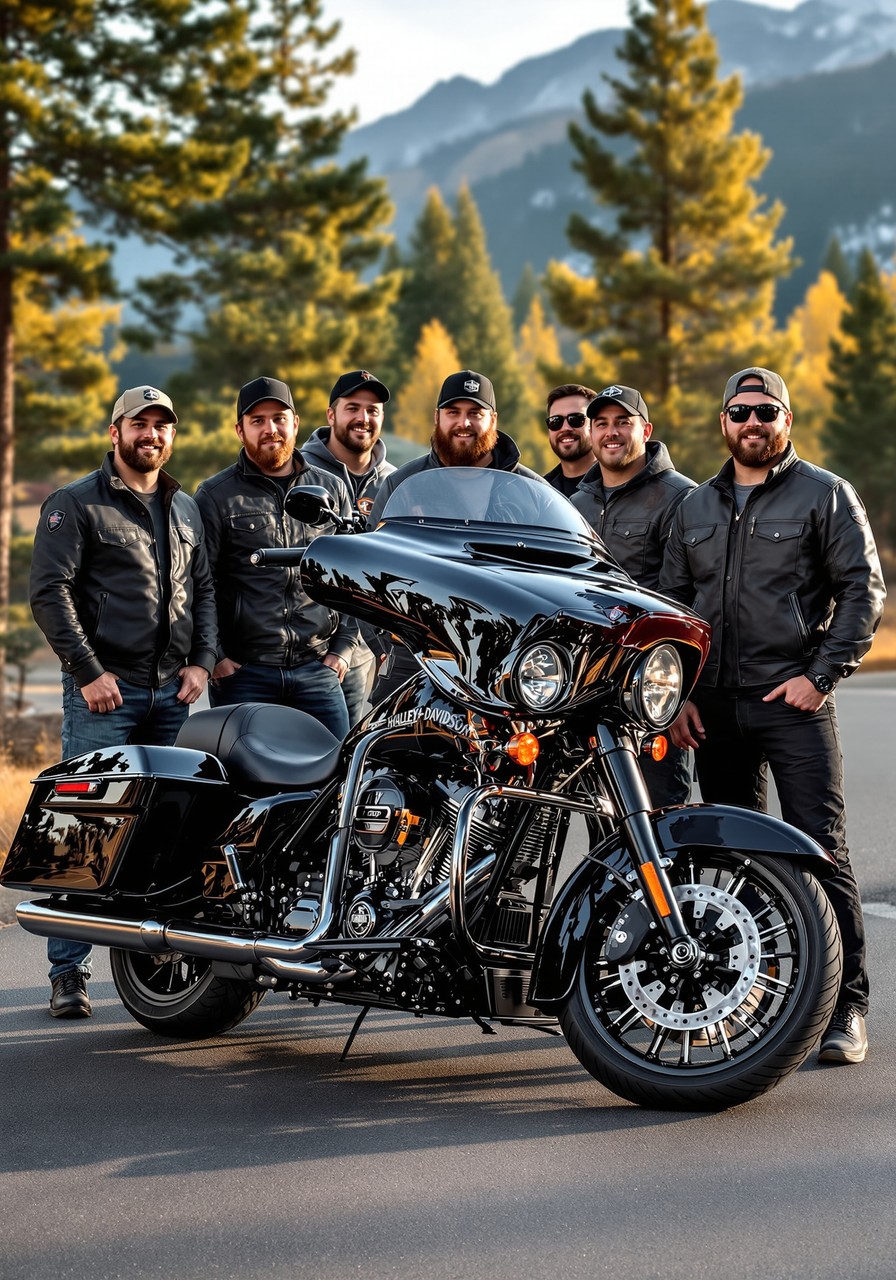
Twenty grand on the line and your entry costs nothing. Talk to us about your motorcycle claim. (303) 388-5304. #RideNationCO #MotorcycleGiveaway #ColoradoRiders
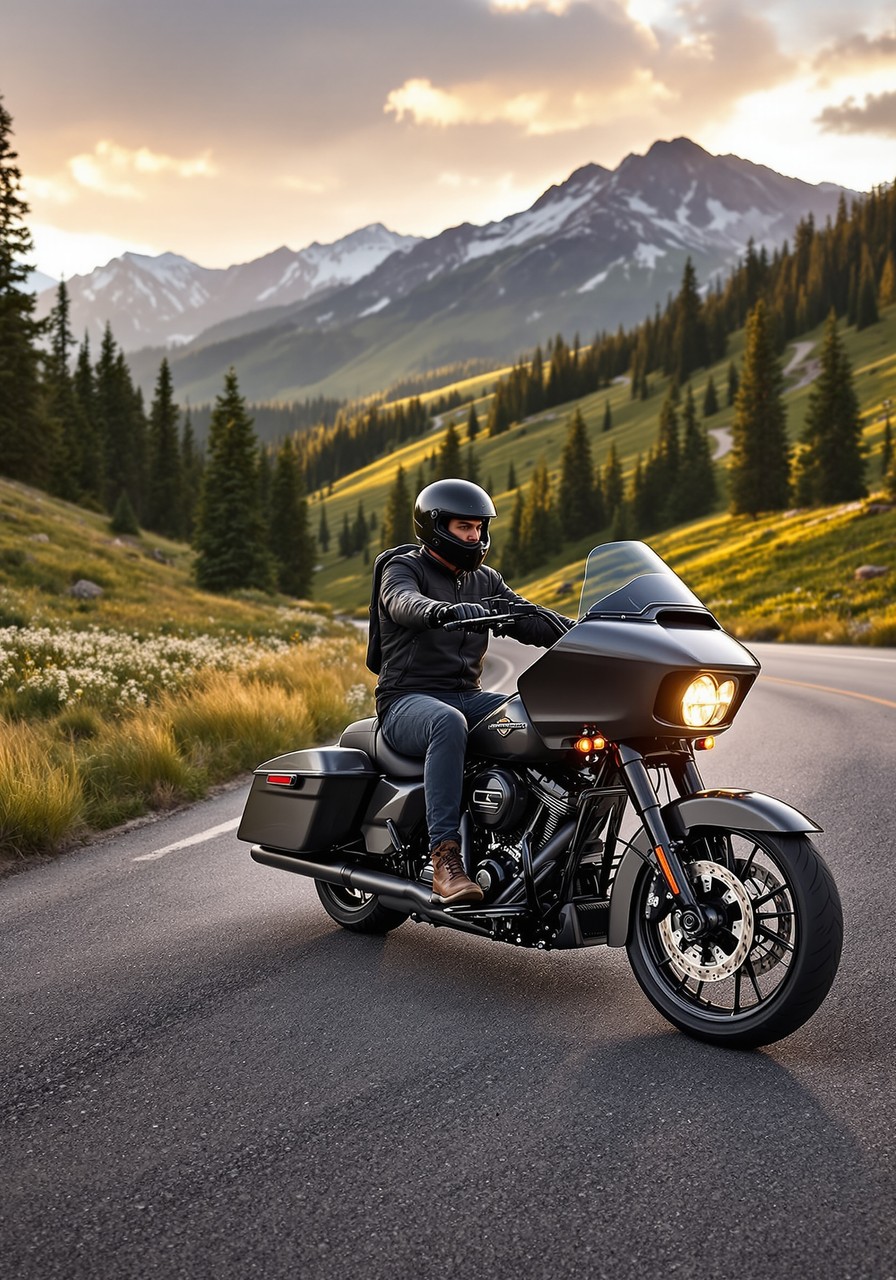
Local CO & Rides
Mount Blue Sky, the old Mount Evans road, is the highest paved you can ride in North America. Thin air, big drops, no guardrail feel. Respect it. #RideNationCO #RockyMountains #MileHigh
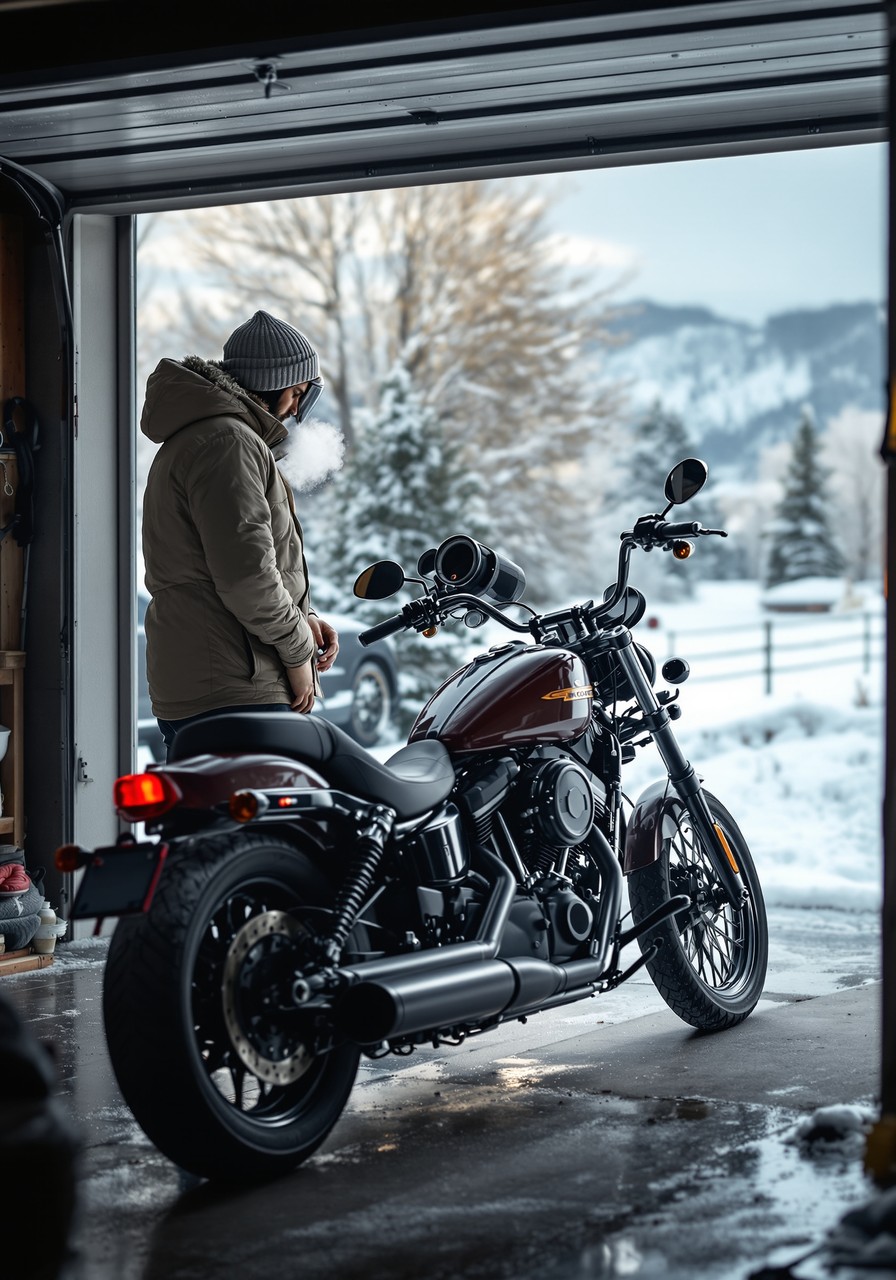
Gear & New Iron
CE-rated armor is not marketing. Look for CE Level 1 or 2 in the shoulders, elbows, and back before you buy that jacket. #RideNationCO #GearUp #ATGATT
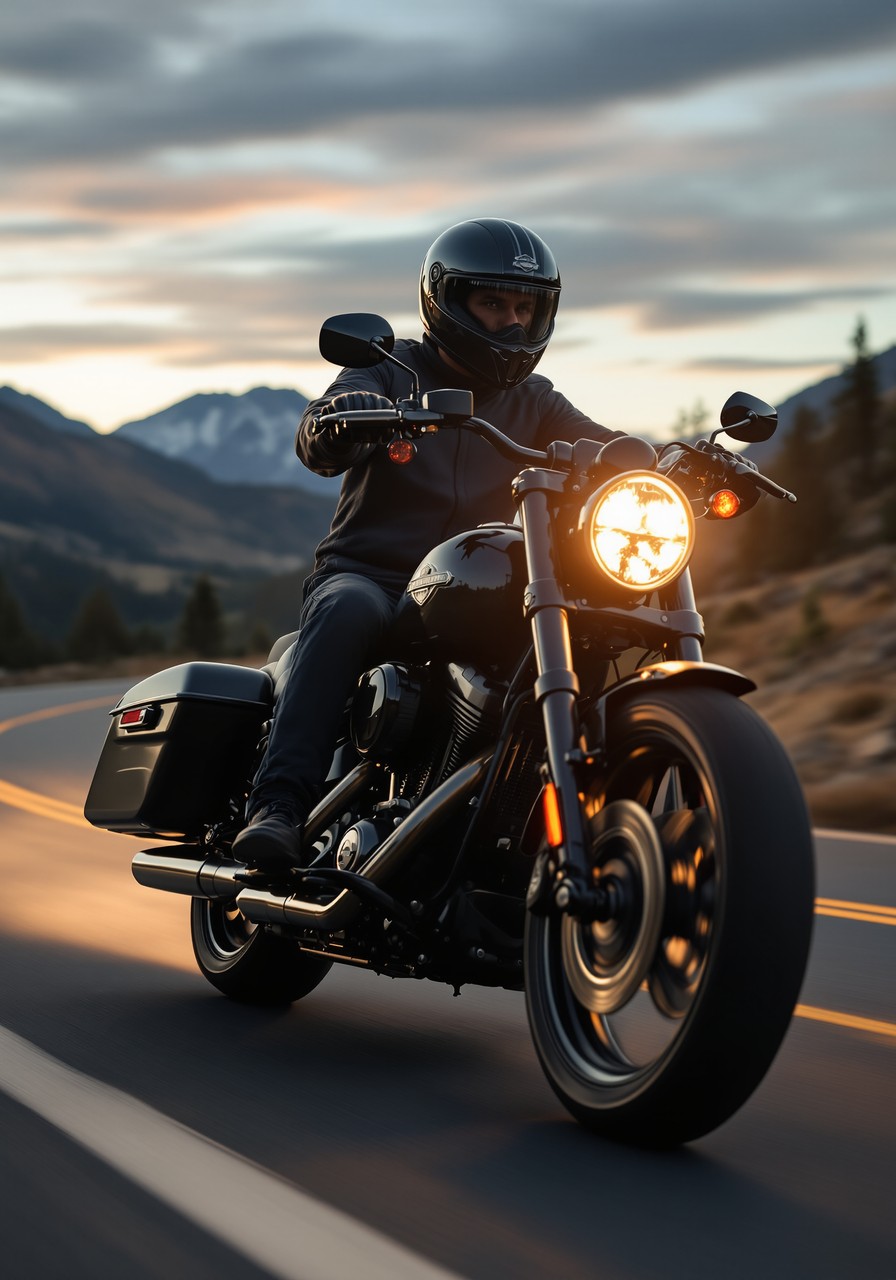
Safety & CO Law
The classic Front Range crash is a left turning car across your path at an intersection. Cover your brakes, watch their front wheel, and assume they have not seen you until you know they have. #RideNationCO #MotorcycleSafety #DenverRiders
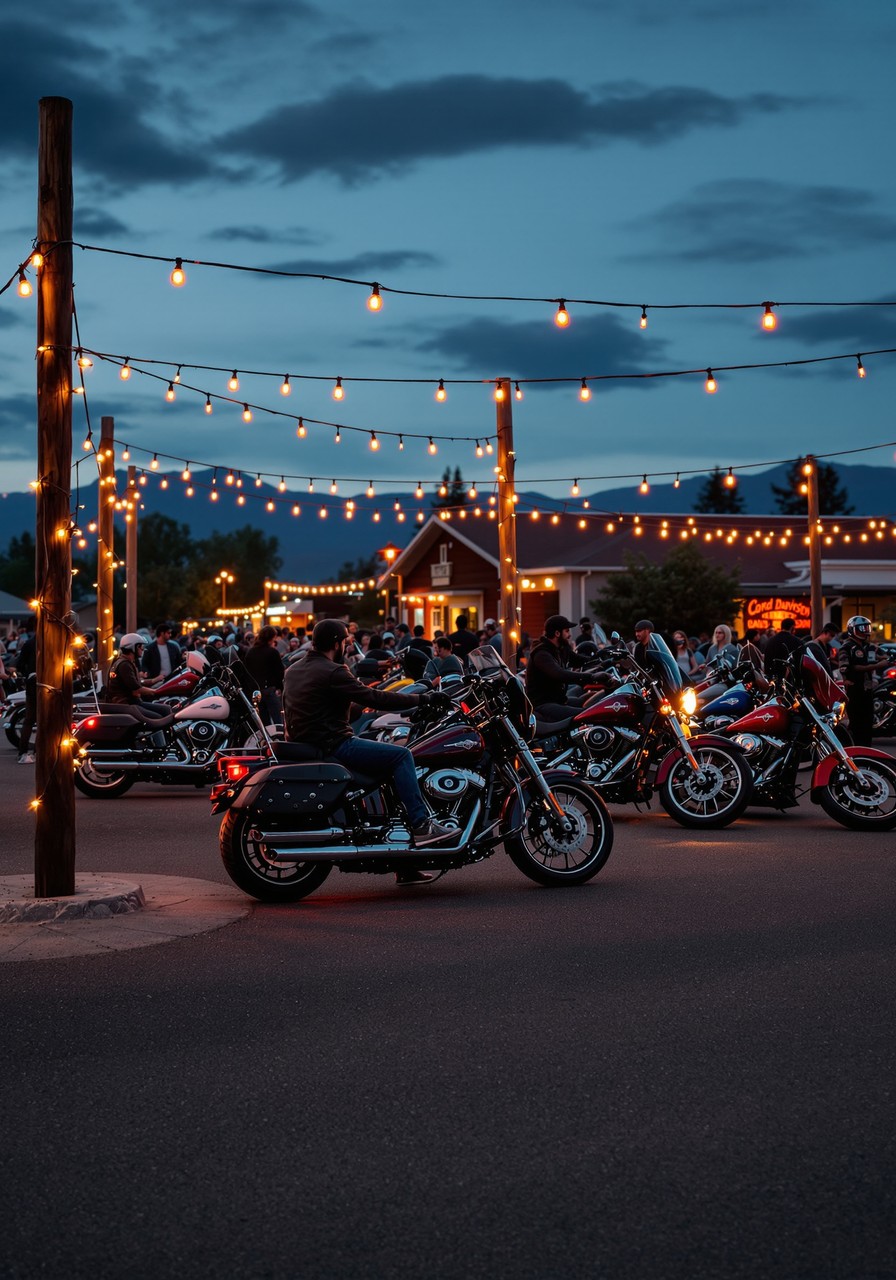
Engagement
Quick one: what is the highest pass you have ridden in Colorado, and did it earn the bragging rights? #RideNationCO #RockyMountains #PeakToPeak
Giveaway & Countdown
No purchase, no gimmick. A conversation with Rider Justice about your crash is your BikersWin entry. Call (303) 388-5304. #RideNationCO #20kGiveaway #DenverRiders
Local CO & Rides
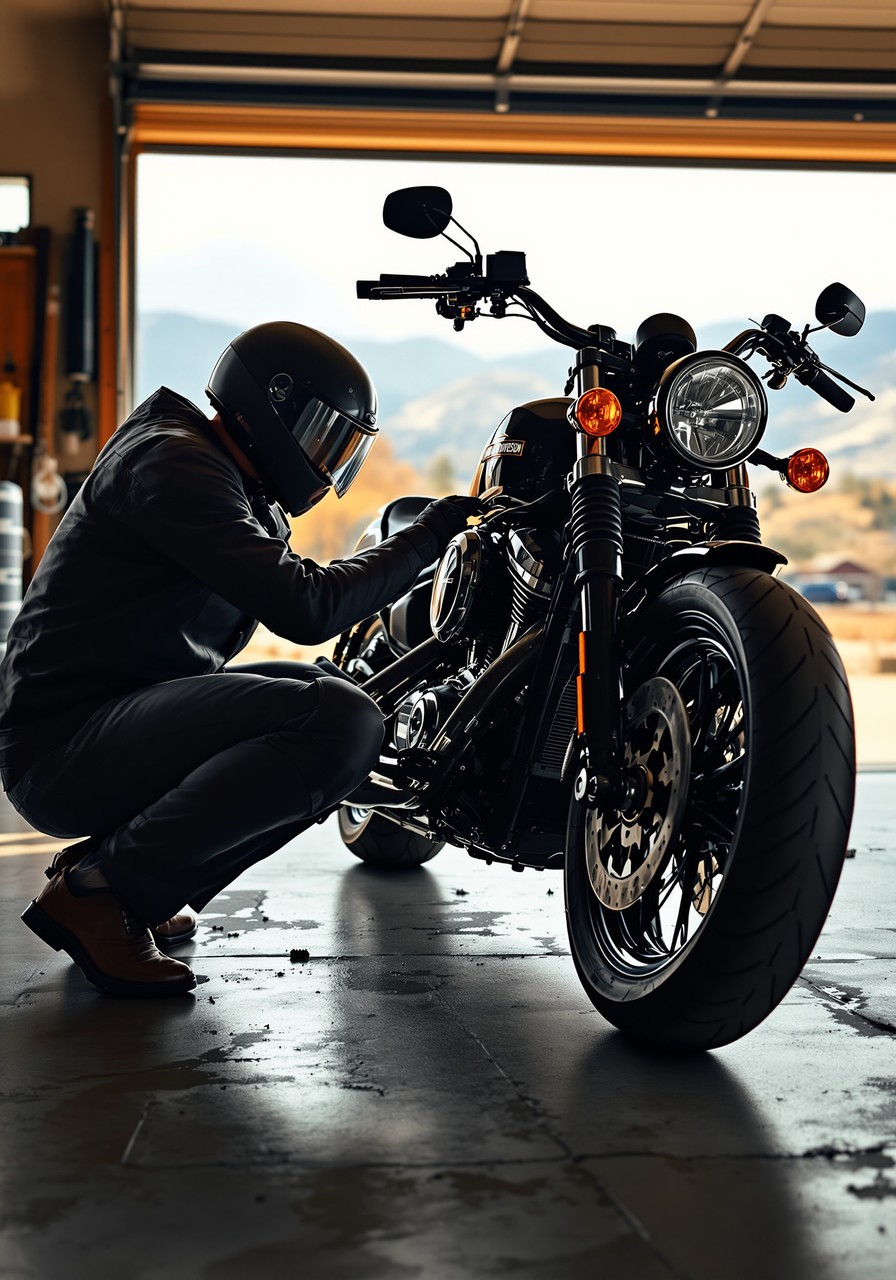
December is garage season on the Front Range. Fresh oil, chain love, and a slow look at those tires you meant to replace. Spring shows up fast. #RideNationCO #ColoradoRiders
Gear & New Iron
A hoodie is not a riding jacket. Abrasion protection and CE armor are what stand between you and Colorado asphalt. #RideNationCO #ATGATT #RiderTips
Safety & CO Law
"I never saw the motorcycle" is the line drivers use, and insurers try to turn it into your fault. It is not an excuse, it is negligence. If you are hearing it after a crash, call Rider Justice at (303) 388-5304. #RideNationCO #RiderRights #FrontRange
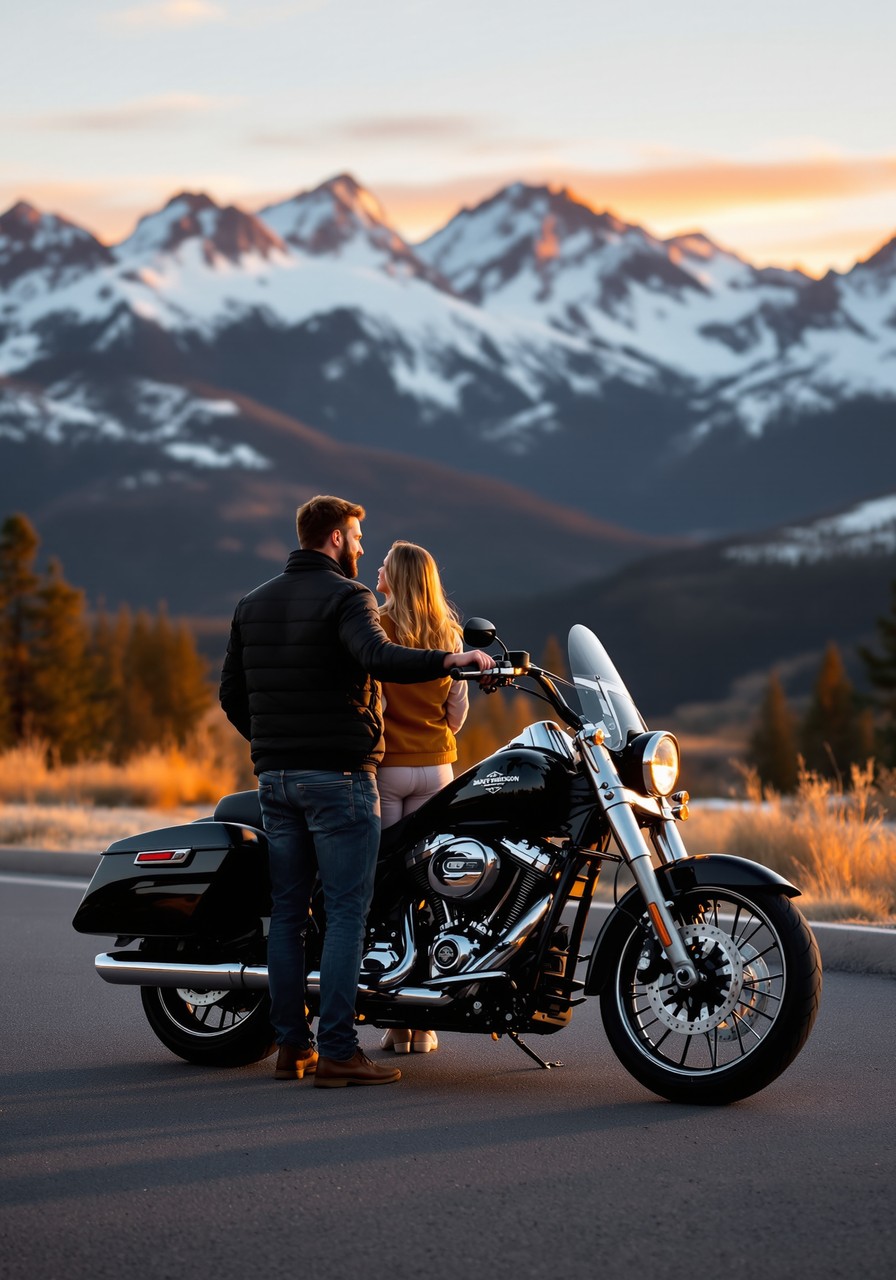
Engagement
Finish the sentence: I know it is really garage season when ______. #RideNationCO #MileHigh #DenverRiders
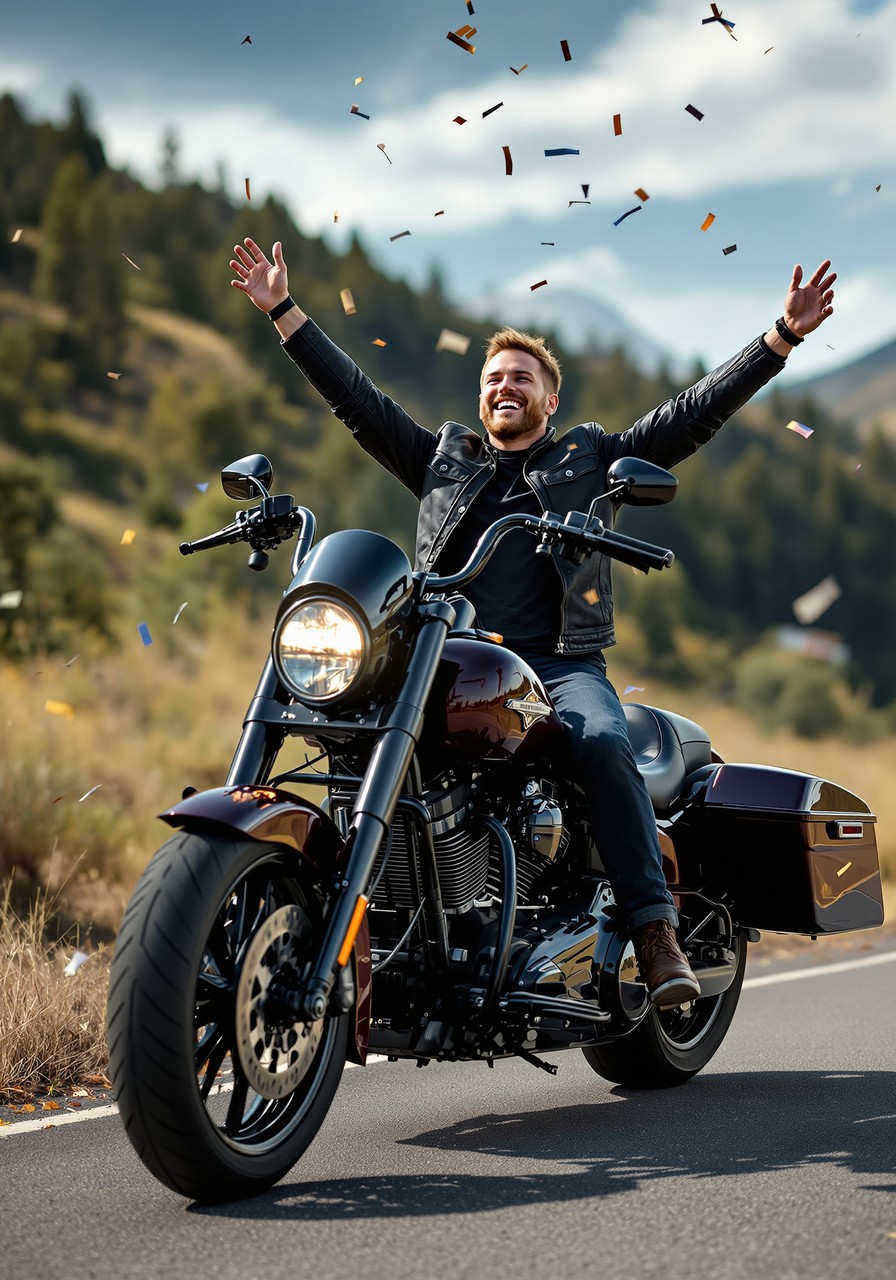
Giveaway & Countdown
Front Range riders, this one is for you. Free case review, free entry into the $20,000 giveaway. (303) 388-5304. #RideNationCO #FrontRange #BikersWin
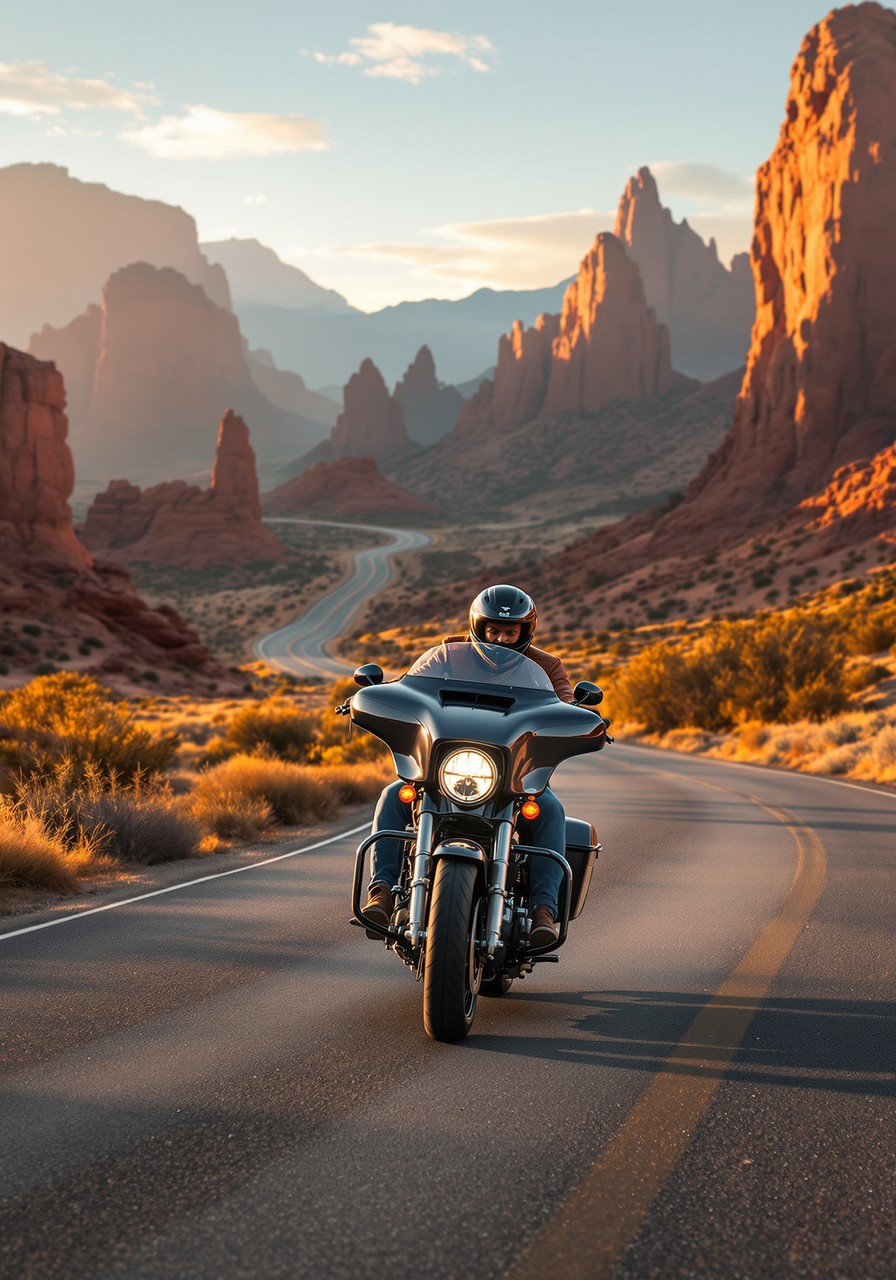
Local CO & Rides
Chinook rolls in, streets are dry, and it hits sixty in January. Grab the warm day down low but leave the passes for later, they are still buried. #RideNationCO #FrontRange #DenverRiders
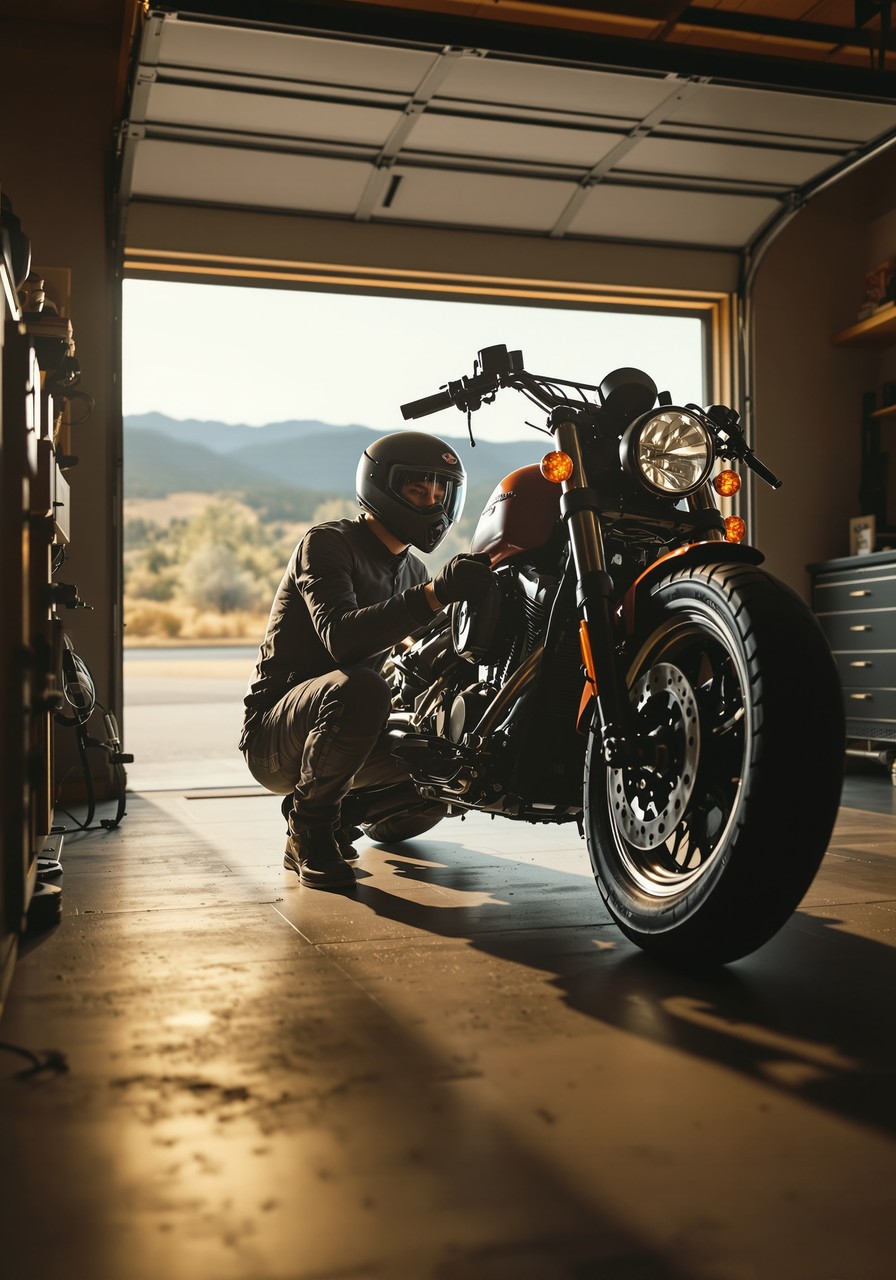
Gear & New Iron
Colorado layering truth: 70 in Denver, snowing on the pass. Pack a windproof shell every mountain ride, even in July. #RideNationCO #ColdWeatherRiding #GearUp
Safety & CO Law
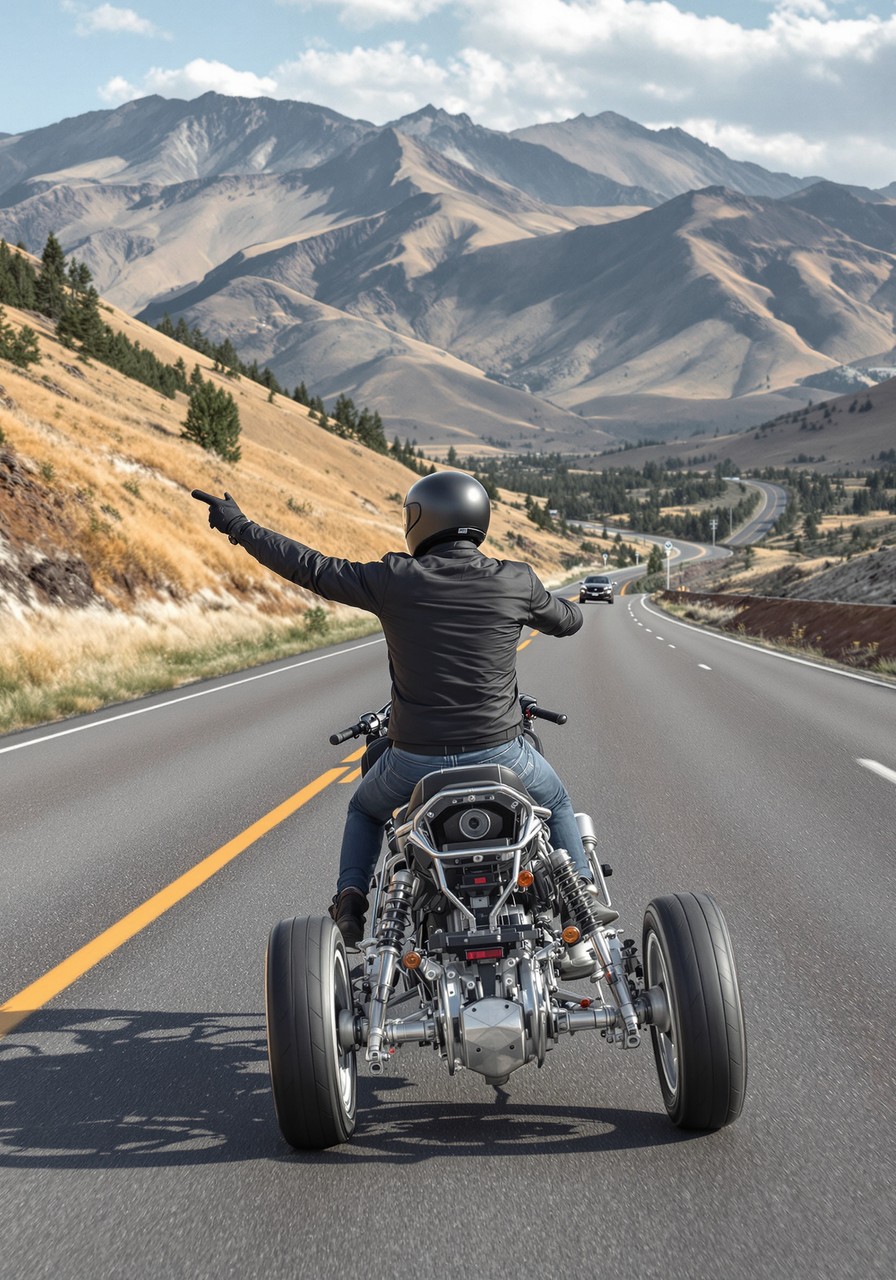
Black ice loves the shaded switchbacks on mountain roads, hiding where the sun never reaches in the corners. Slow before the bend, stay smooth, and treat shade as suspect. #RideNationCO #MotorcycleSafety #ColoradoRiders
Engagement
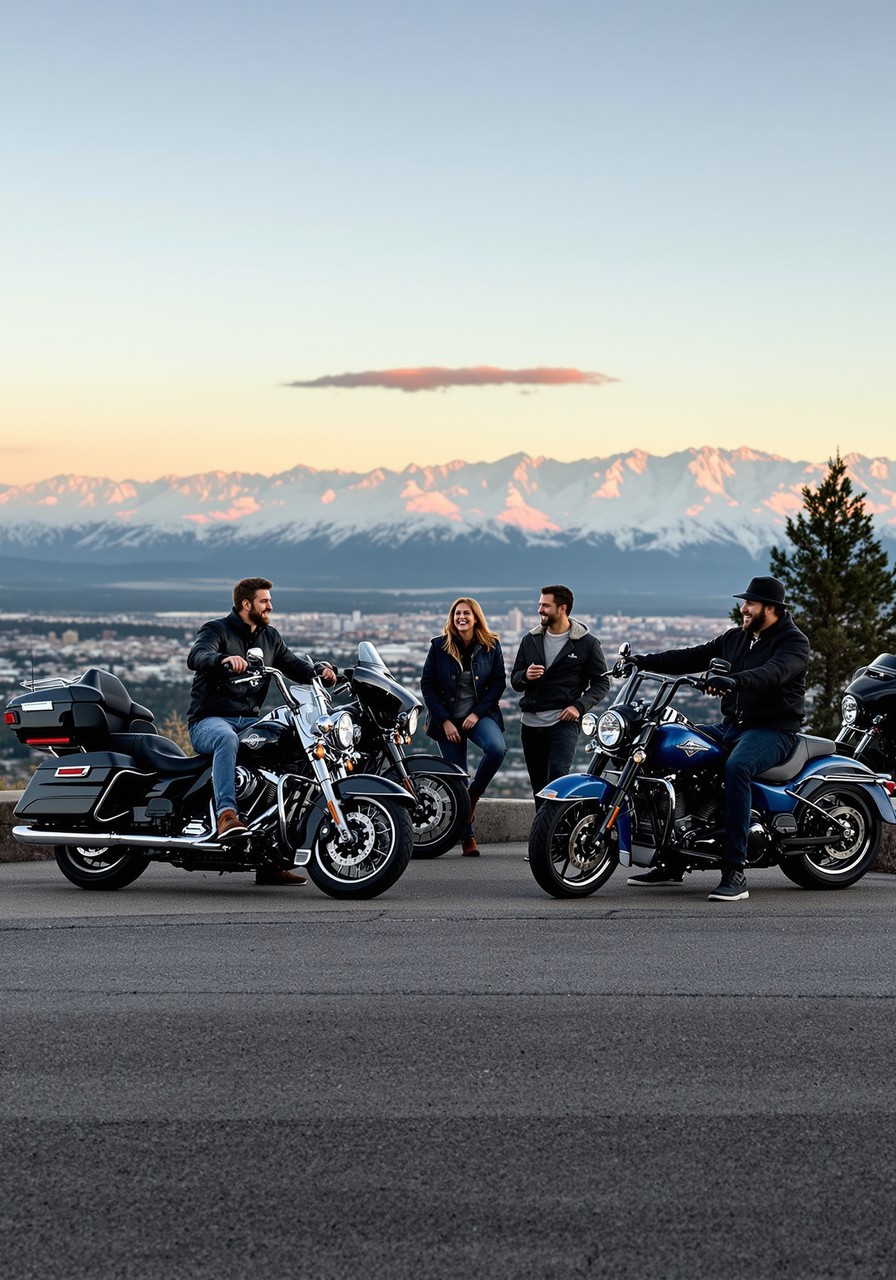
Tag the friend who owns four bikes and rides the same one every single time. #RideNationCO #RideOrDie #TwoWheels
Giveaway & Countdown
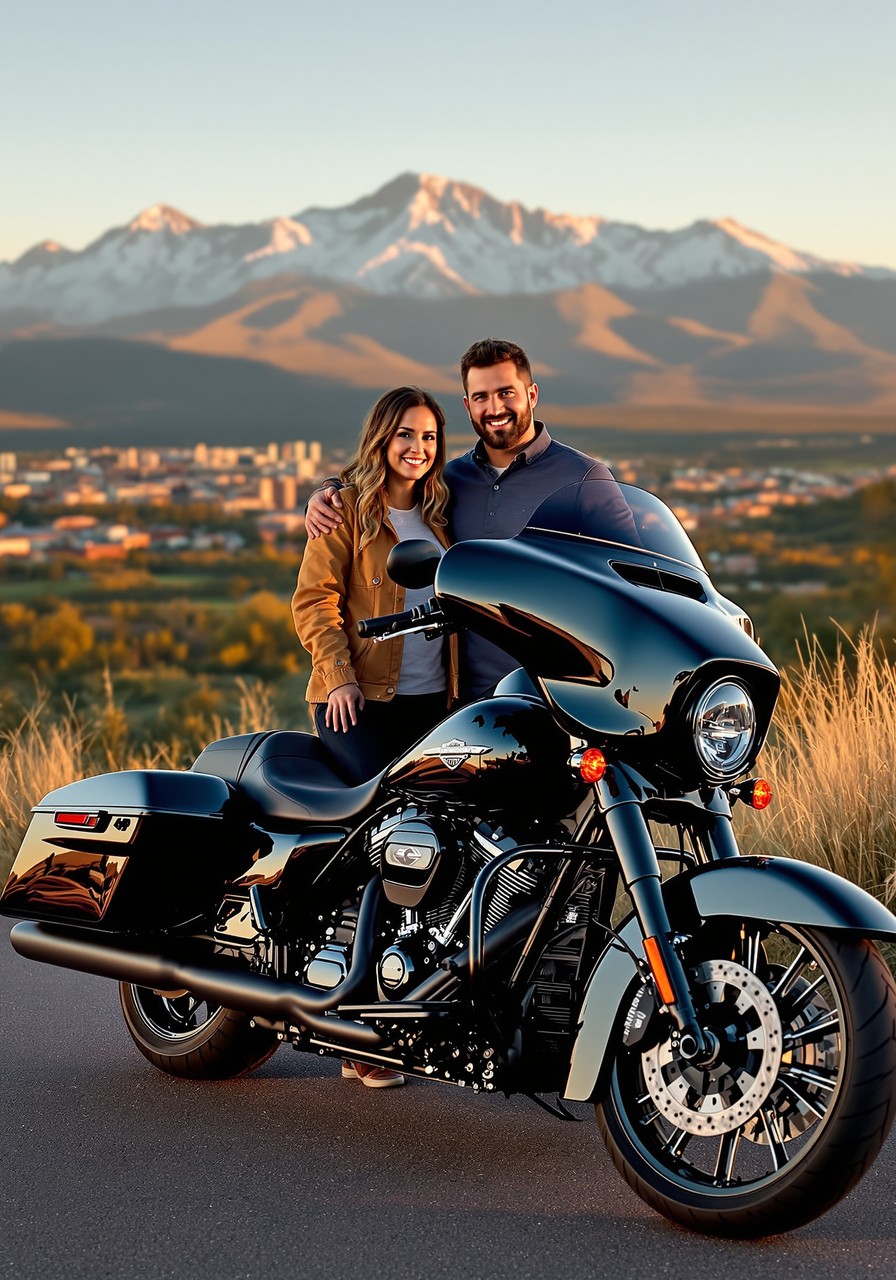
Not sure if your crash qualifies you? Just ask. Rider Justice will walk you through it and your entry. (303) 388-5304. #RideNationCO #MotorcycleGiveaway #ColoradoRiders
Local CO & Rides
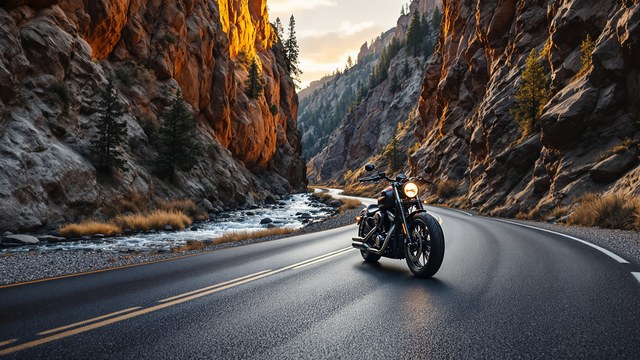
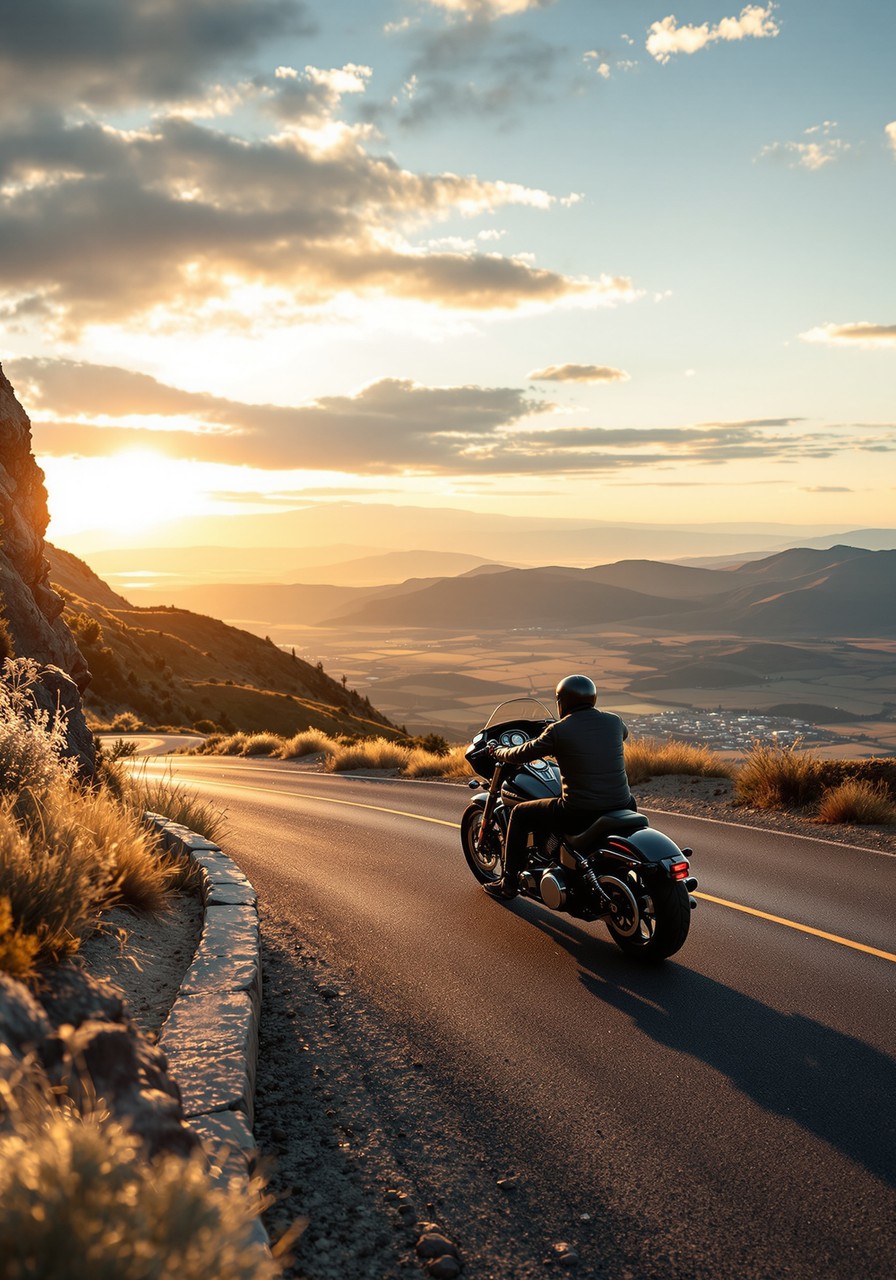
Clear Creek Canyon on US-6 out of Golden runs tight along the water with rock walls close on both sides. Rockfall is real here. Keep your eyes moving. #RideNationCO #ClearCreek #MotorcycleRoads
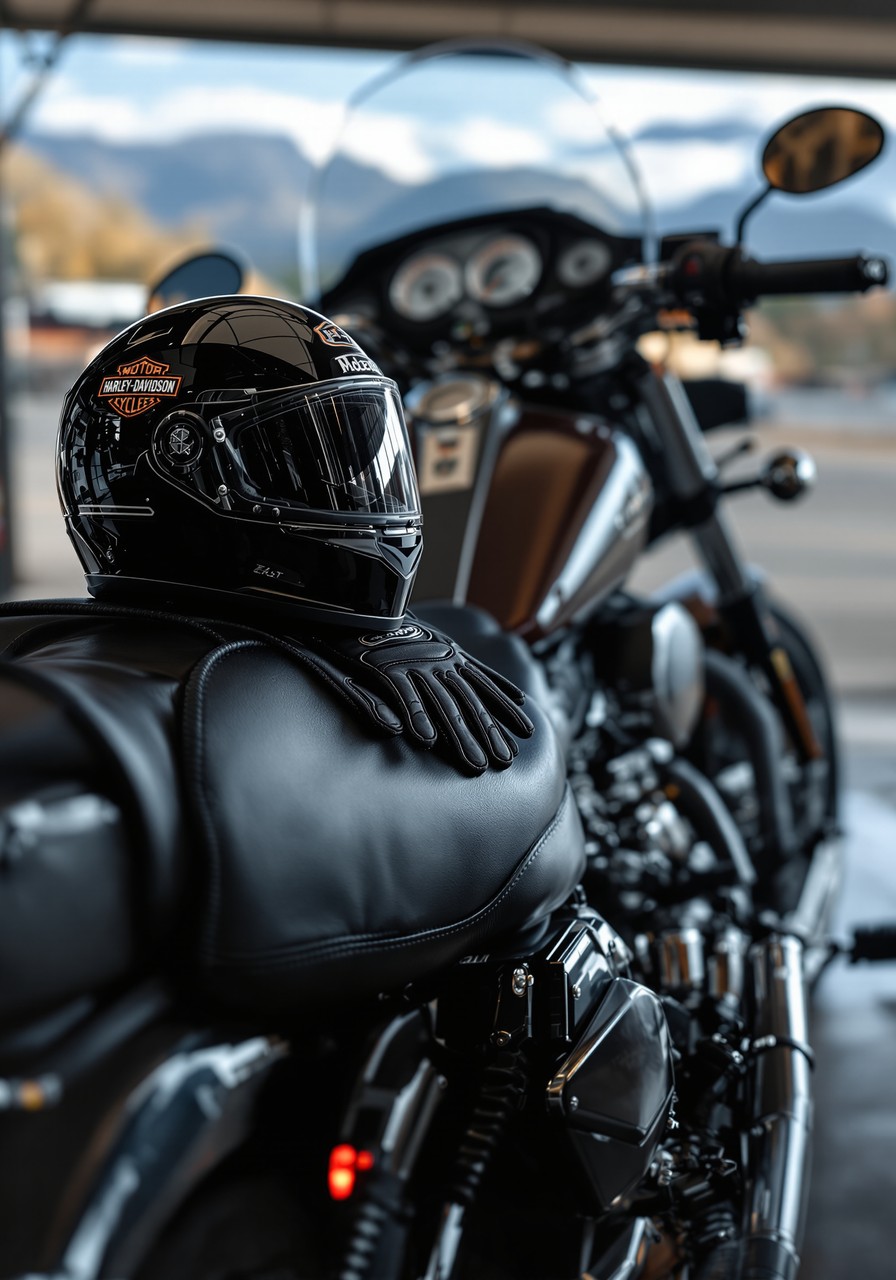
Gear & New Iron
Base layers do more than warmth. A good merino or synthetic layer wicks sweat so you are not soaked and freezing at altitude. #RideNationCO #ColdWeatherRiding #RiderTips
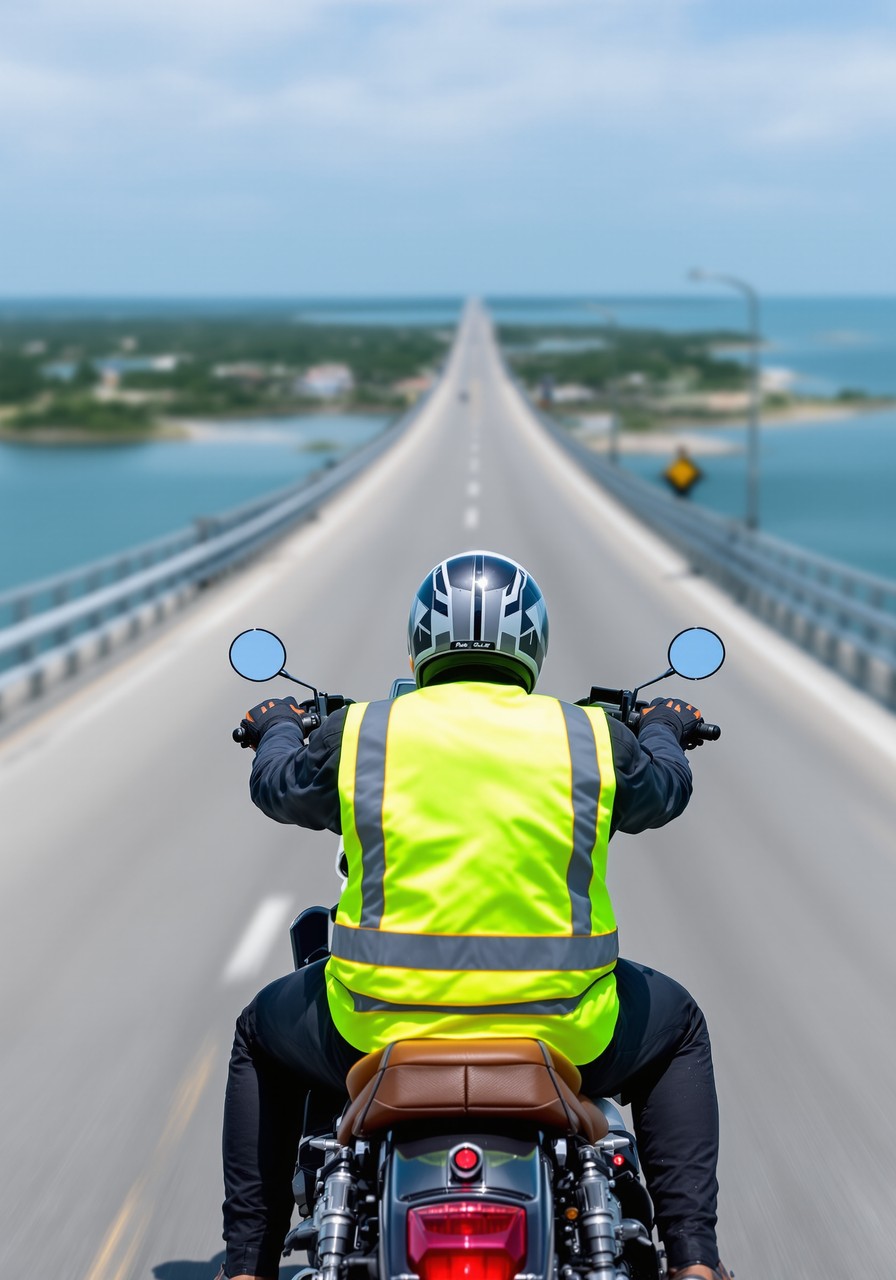
Safety & CO Law
Colorado minimum liability is just 25/50/15, and plenty of drivers carry only that. One serious injury blows past it fast, which is why your own UM/UIM matters so much. Want to understand your coverage? Call Rider Justice at (303) 388-5304. #RideNationCO #KnowYourRights #ColoradoRiders
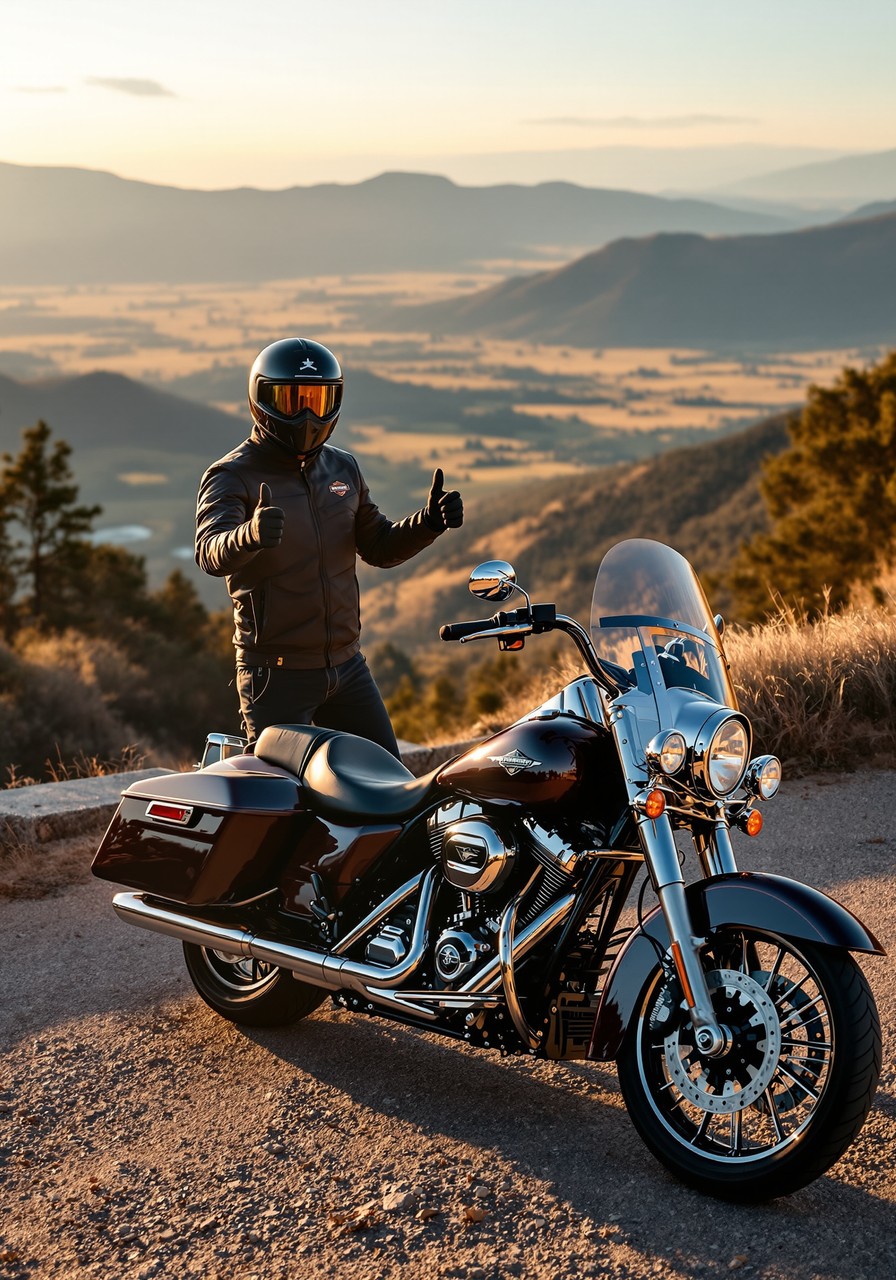
Engagement
This or that: a sunrise loop before work or a lazy blue-sky afternoon cruise. #RideNationCO #FrontRange #ColoradoRiders
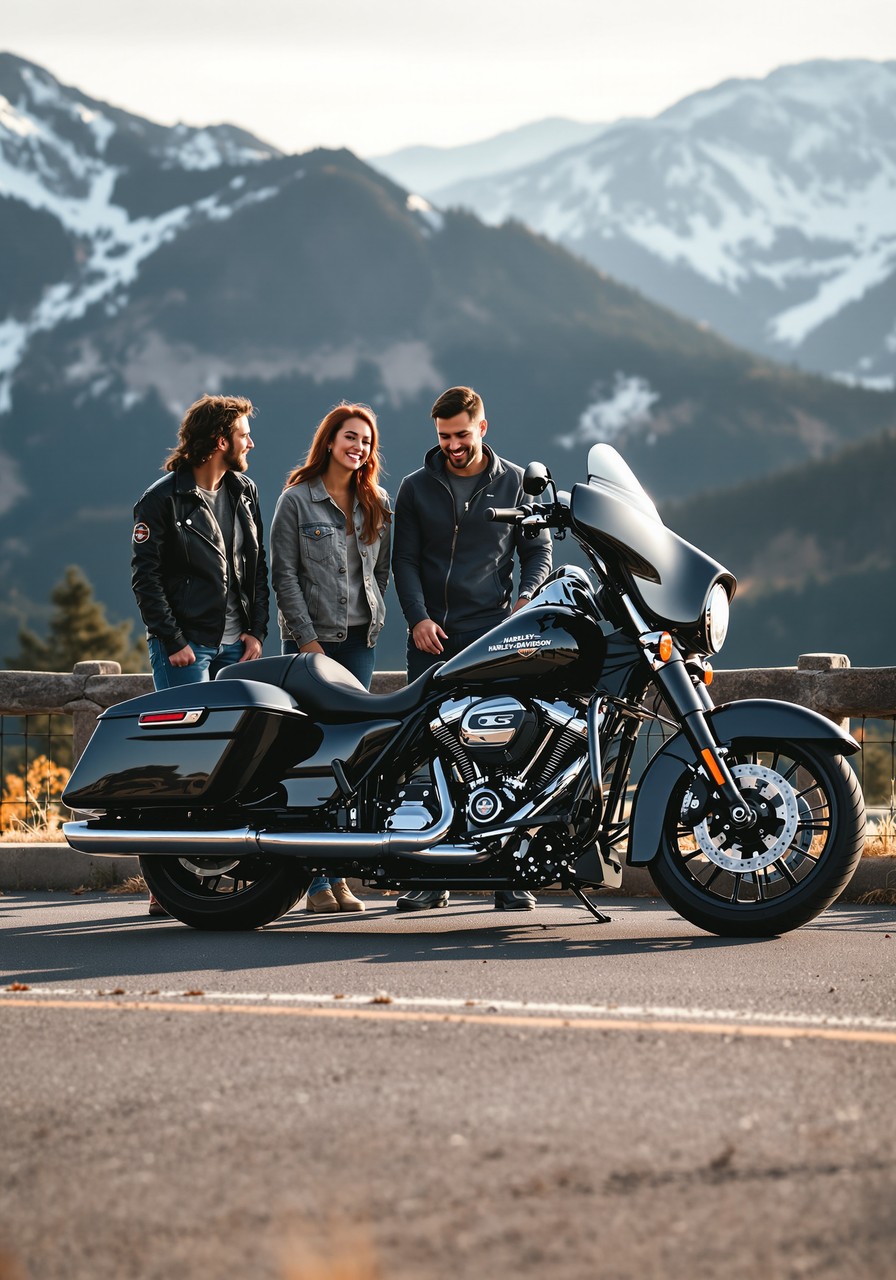
Giveaway & Countdown
The clock is ticking on the BikersWin $20,000 giveaway. Get entered free by calling Rider Justice at (303) 388-5304. #RideNationCO #20kGiveaway #DenverRiders
Local CO & Rides
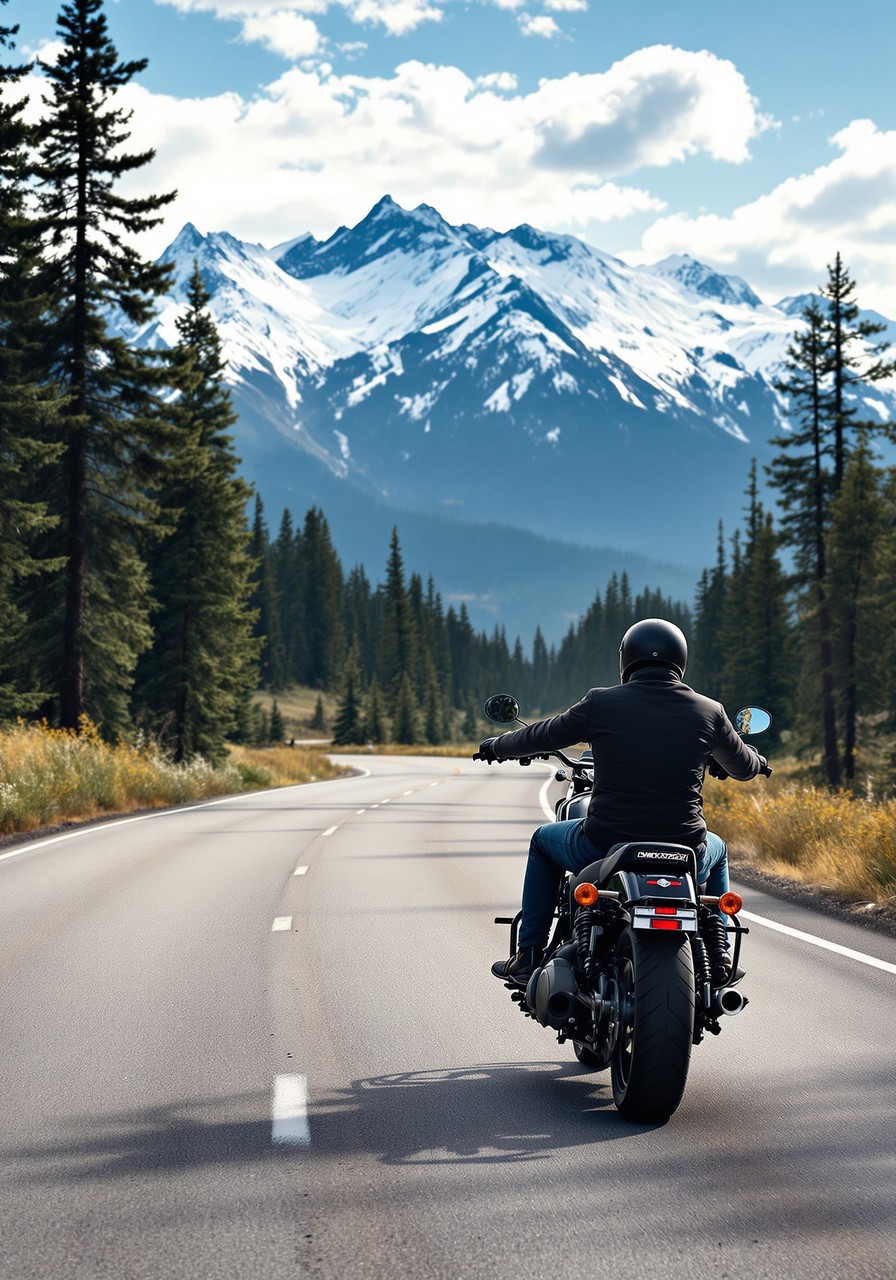
Coal Creek Canyon on CO-72 is the quiet way to link Golden up toward the Peak to Peak. Loose gravel gathers on the shaded outside lines. #RideNationCO #FrontRange #ColoradoRiders
Gear & New Iron
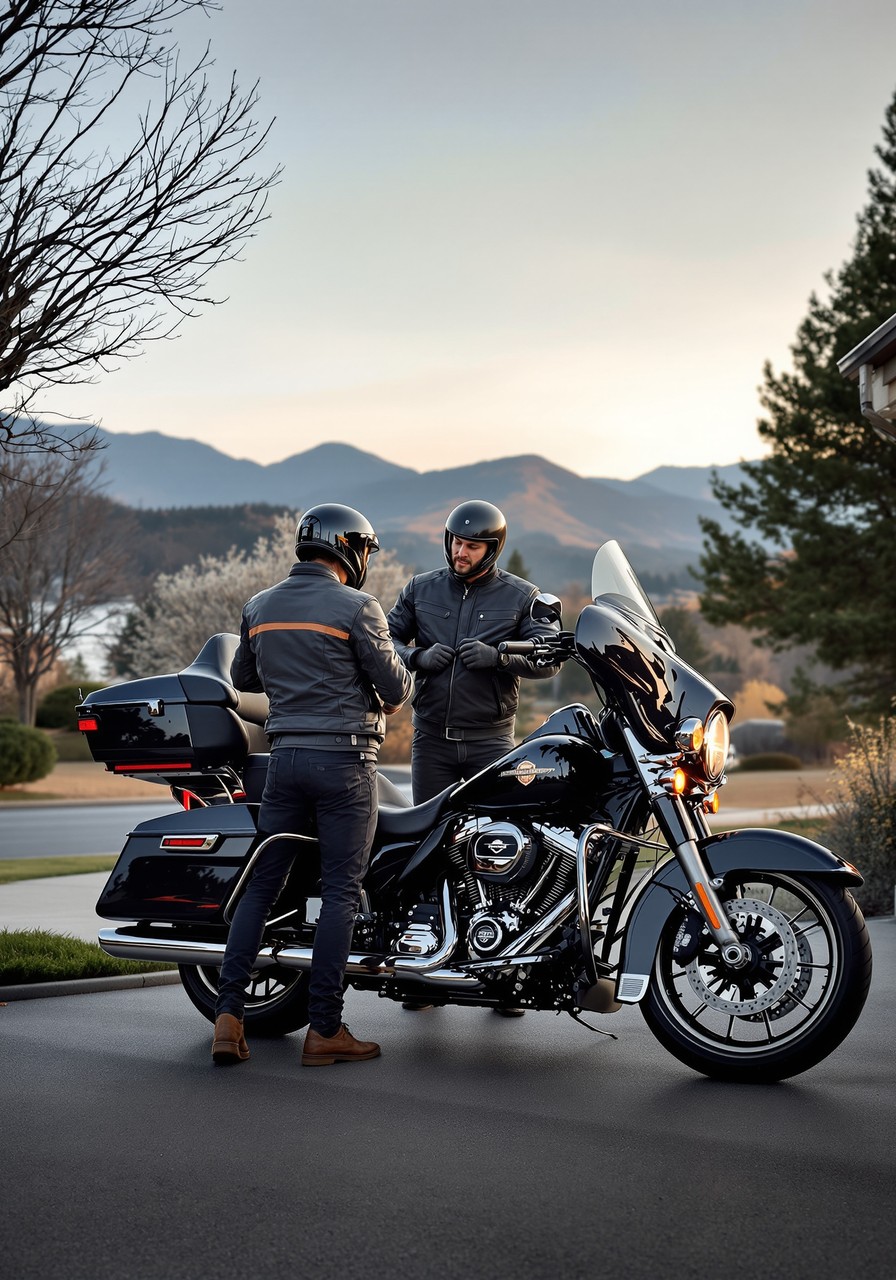
Heated grips and a heated vest turn a brutal fall commute into a normal one. Wire them to a fused lead, not straight to the battery. #RideNationCO #ColdWeatherRiding #GearUp
Safety & CO Law
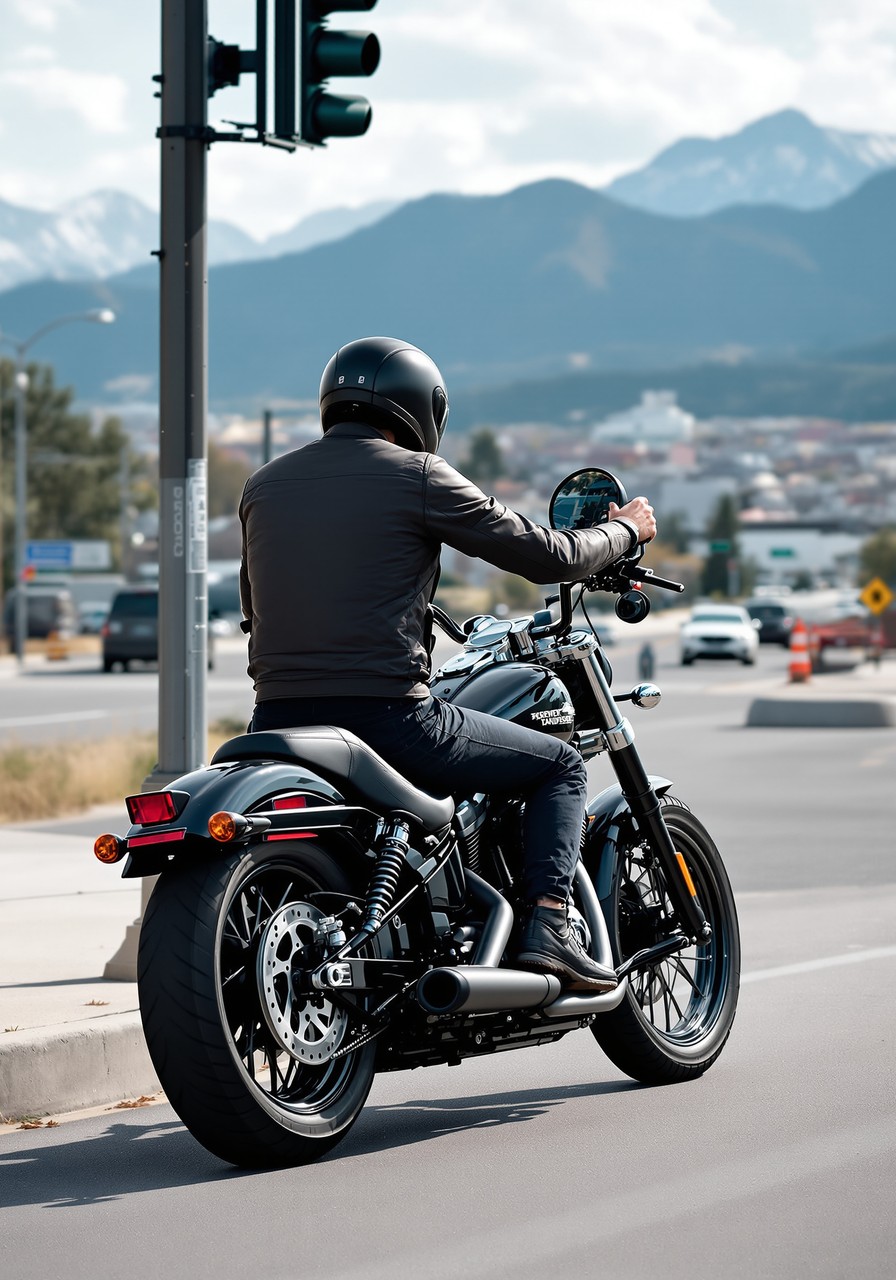
Fresh chip seal and loose gravel turn a favorite canyon road into a skating rink, especially in the corners. Ease off, look through the turn, and give yourself room. #RideNationCO #MotorcycleSafety #FrontRange
Engagement
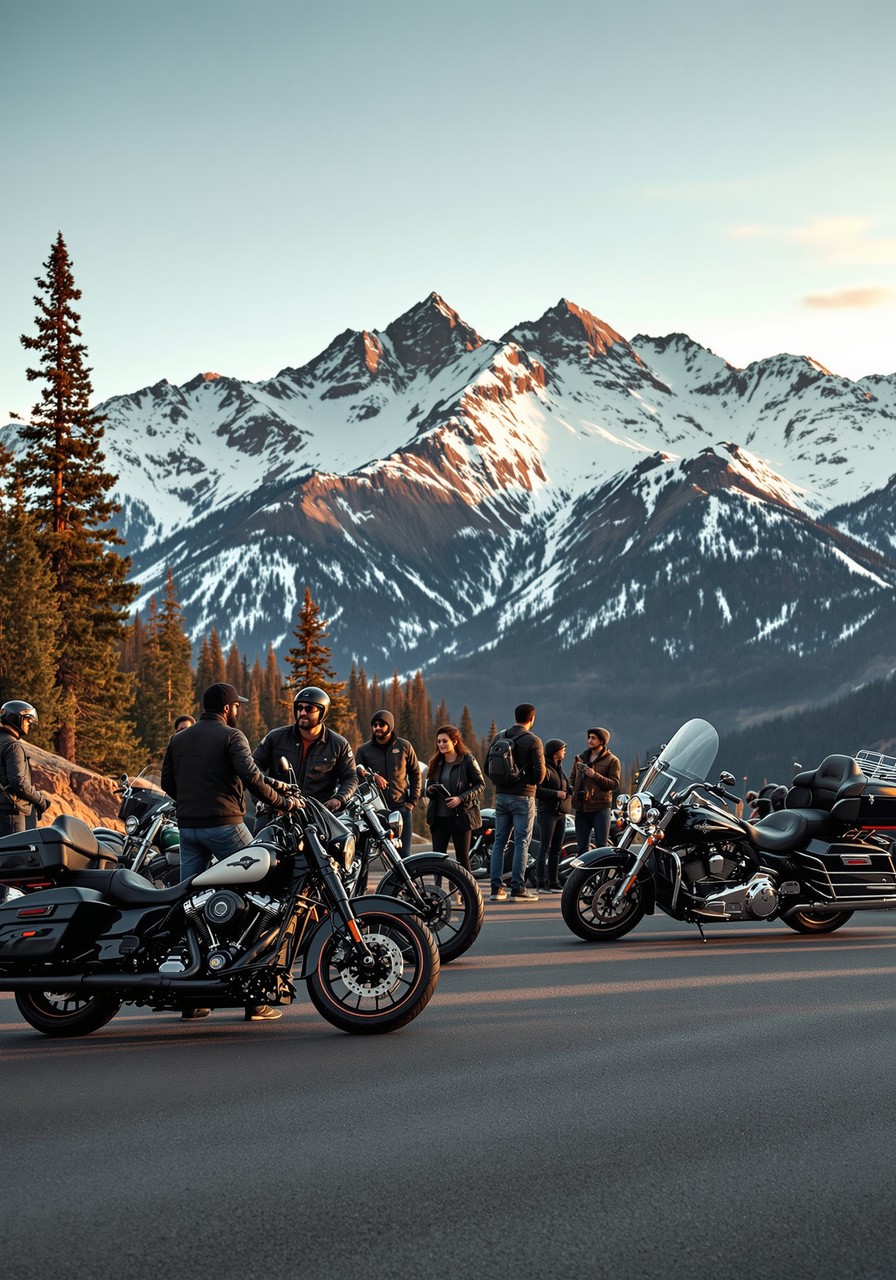
Caption this: the mountains got their first snow and you are still in a t-shirt down in Denver. #RideNationCO #MileHigh #RockyMountains
Giveaway & Countdown
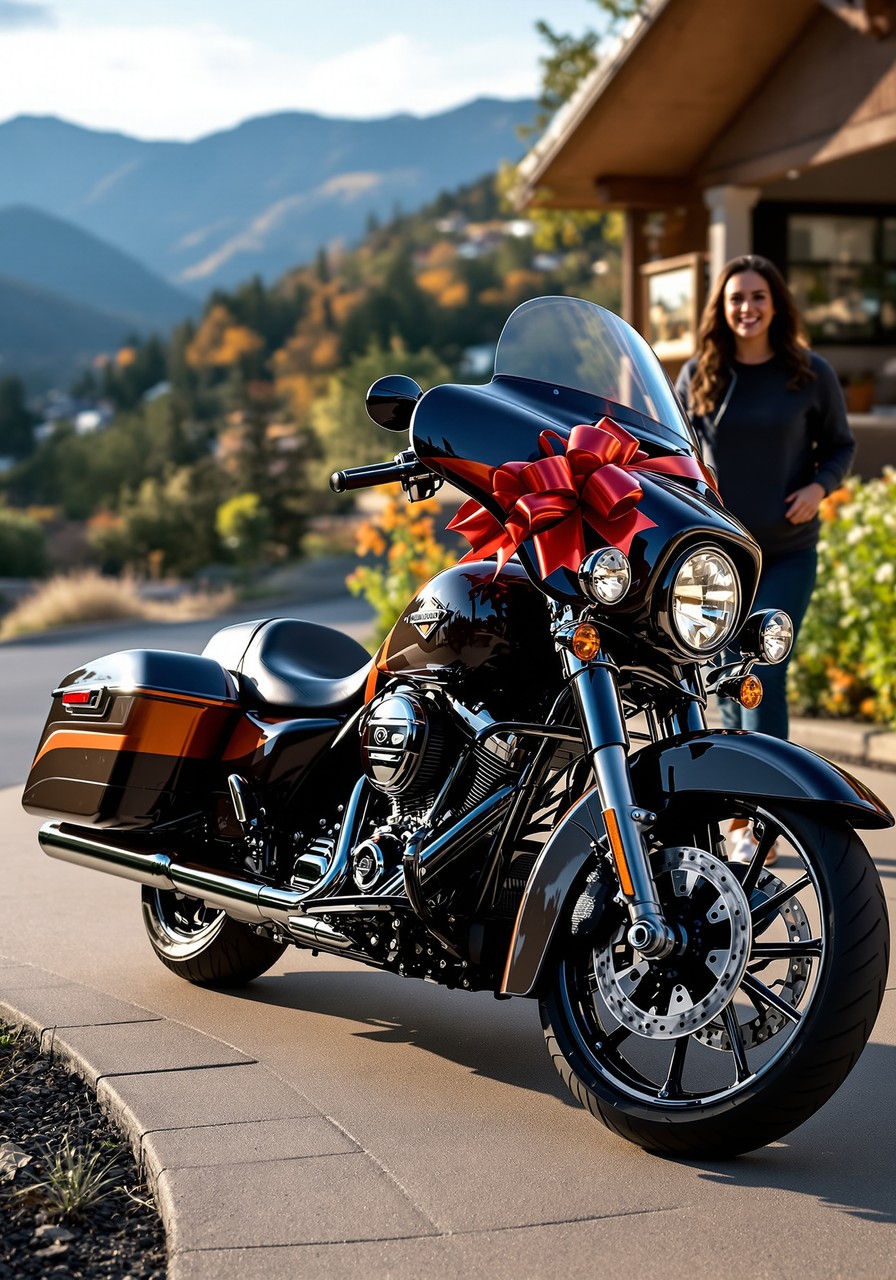
One phone call. One free case review. One entry into a $20,000 motorcycle giveaway. (303) 388-5304. #RideNationCO #BikersWin #FrontRange
Local CO & Rides
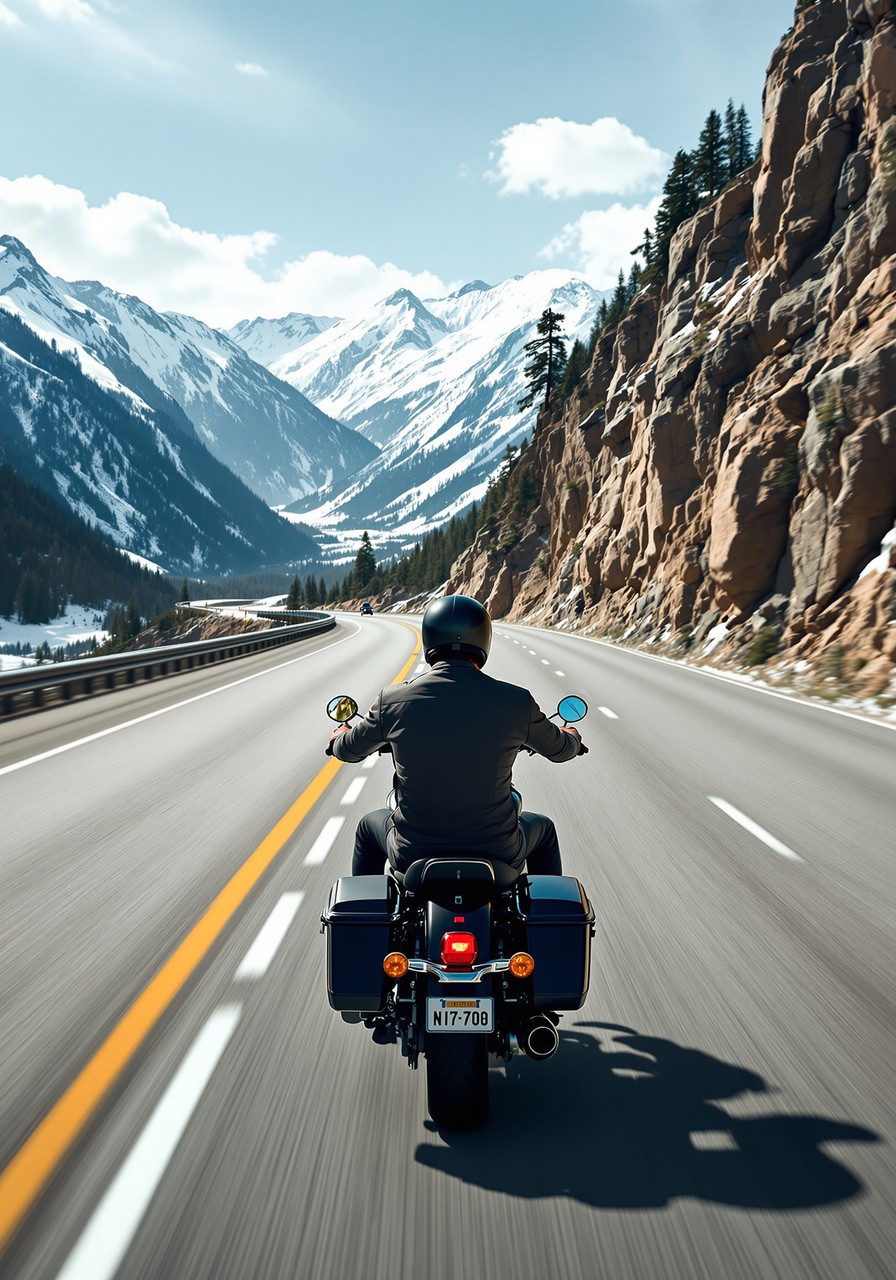
Berthoud Pass on US-40 is your gateway to Winter Park. In summer it flows, in winter it is a snow-packed reminder that riding season paused for a reason. #RideNationCO #RockyMountains #ColoradoRiders
Gear & New Iron
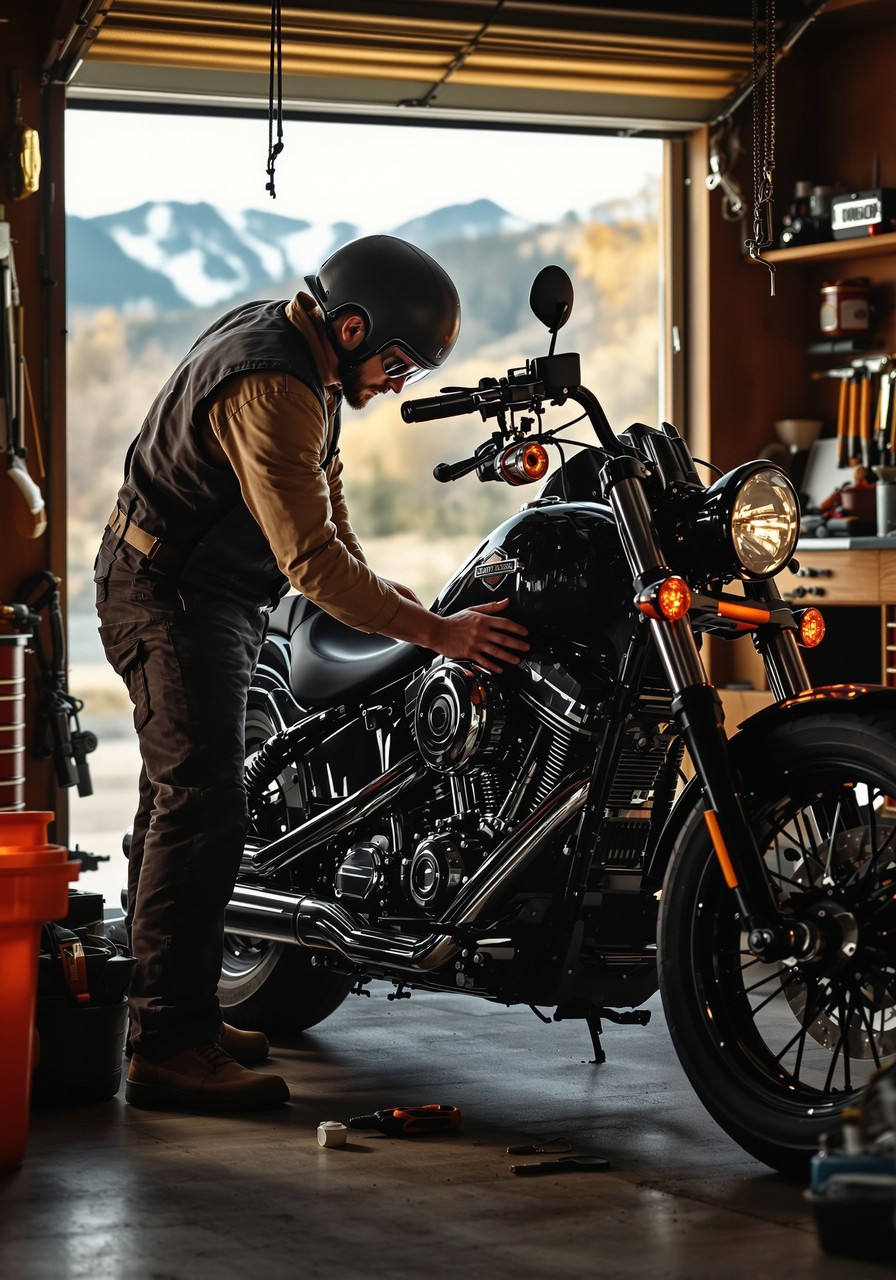
Cold hands make slow reactions. Winter gloves with a gauntlet cuff keep the wind off your wrists on those frigid morning rides. #RideNationCO #ColdWeatherRiding #ATGATT
Safety & CO Law
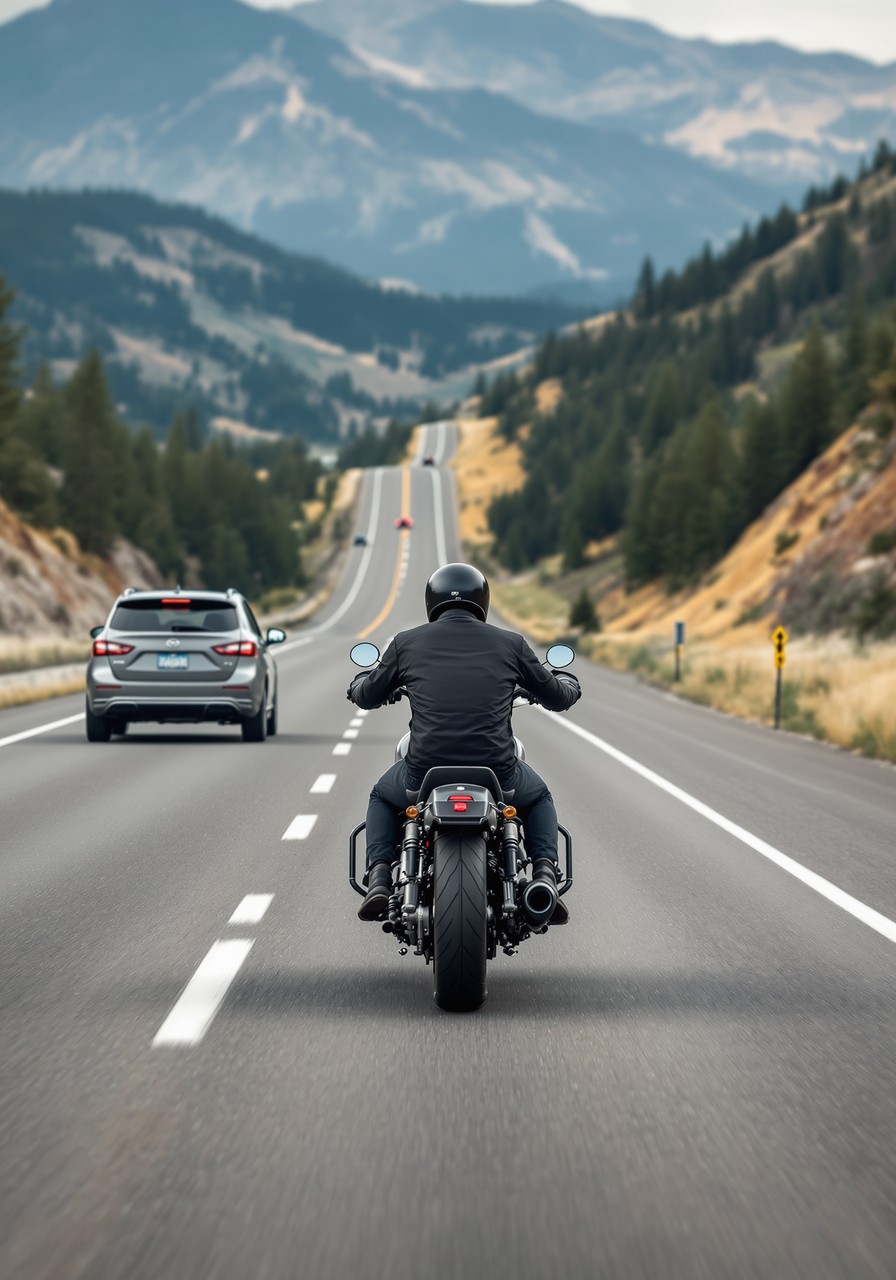
Colorado is an at-fault state, so the driver who caused your crash and their insurer are on the hook for your losses. Proving that fault is where cases are won or lost. Let us help you build it. Call Rider Justice at (303) 388-5304. #RideNationCO #RiderRights #DenverRiders
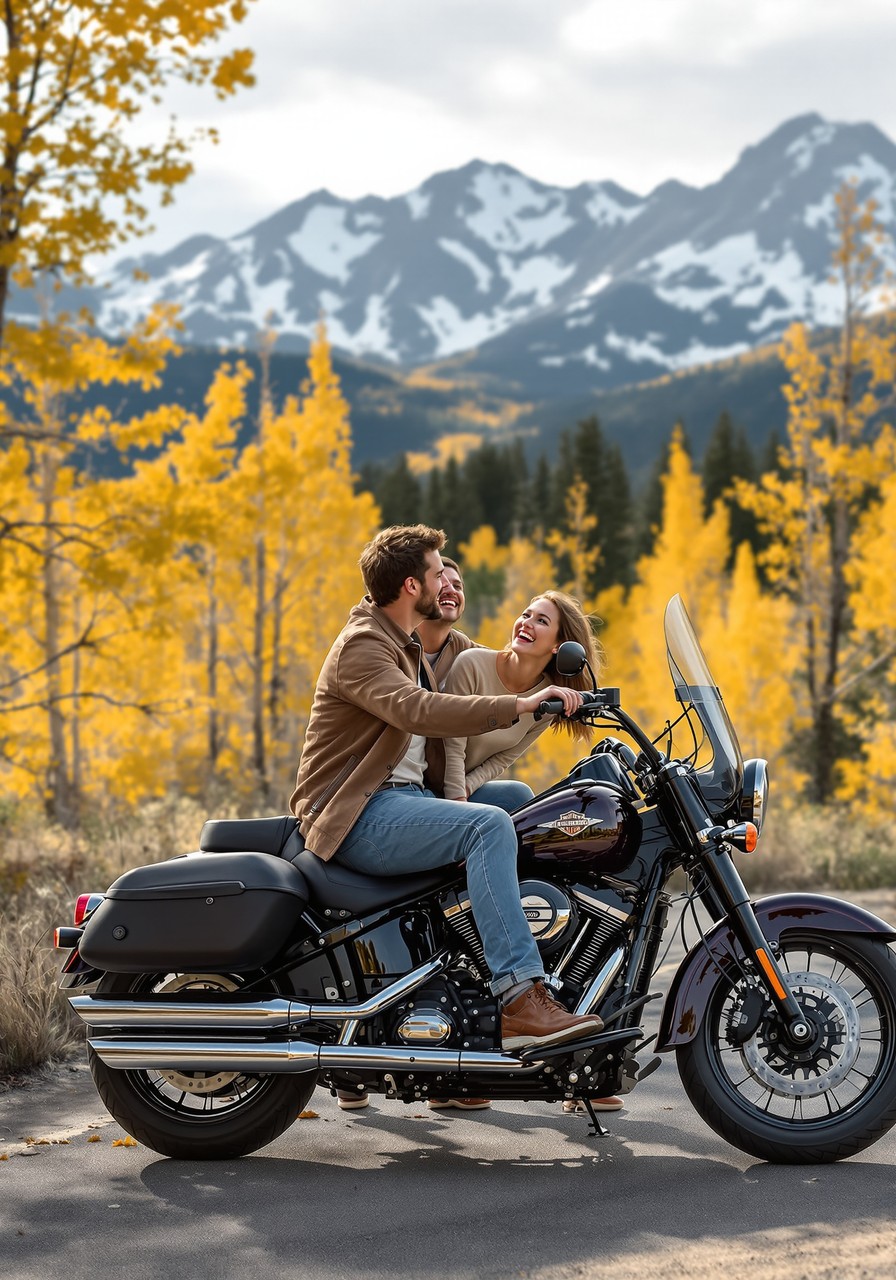
Engagement
Favorites: name the one Colorado road you would ride every day if you could pick just one. #RideNationCO #ColoradoRiders #PeakToPeak
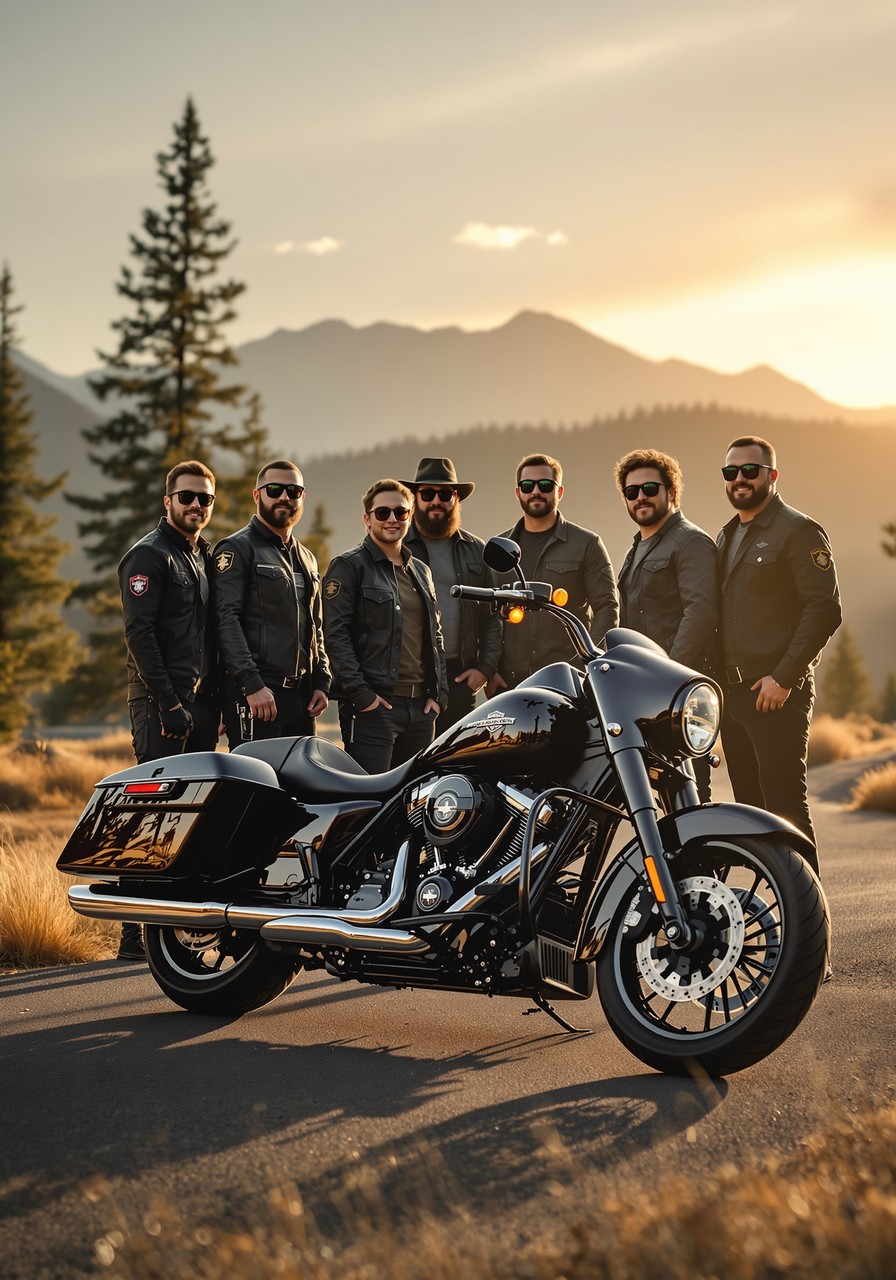
Giveaway & Countdown
Ride Nation Denver, do not sit this one out. Call (303) 388-5304, talk to us about your crash, and get entered free. #RideNationCO #MotorcycleGiveaway #DenverRiders
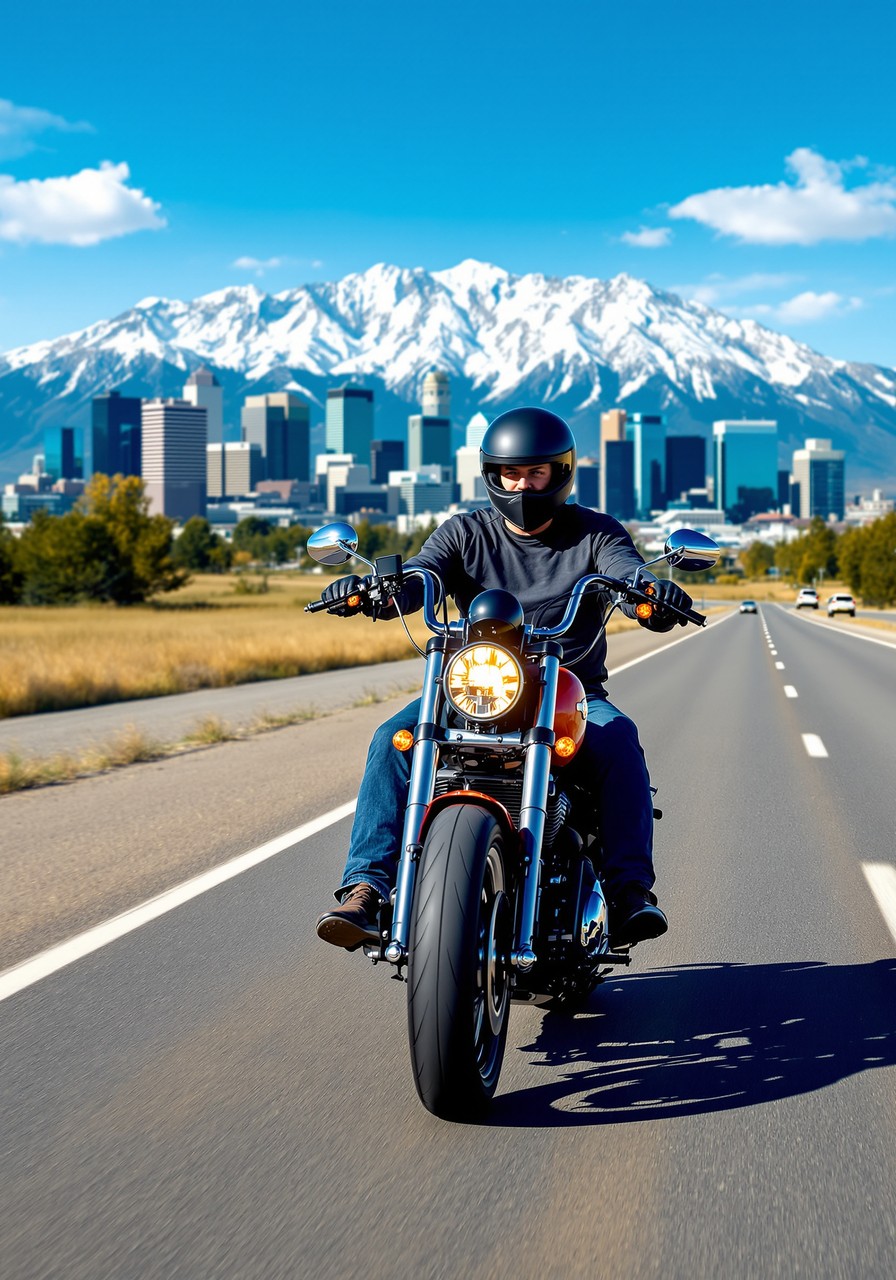
Local CO & Rides
First real mountain run of the year is a rite of passage. Ride it like the road forgot you all winter, because the sand and gravel definitely did not. #RideNationCO #ColoradoRiders #FrontRange
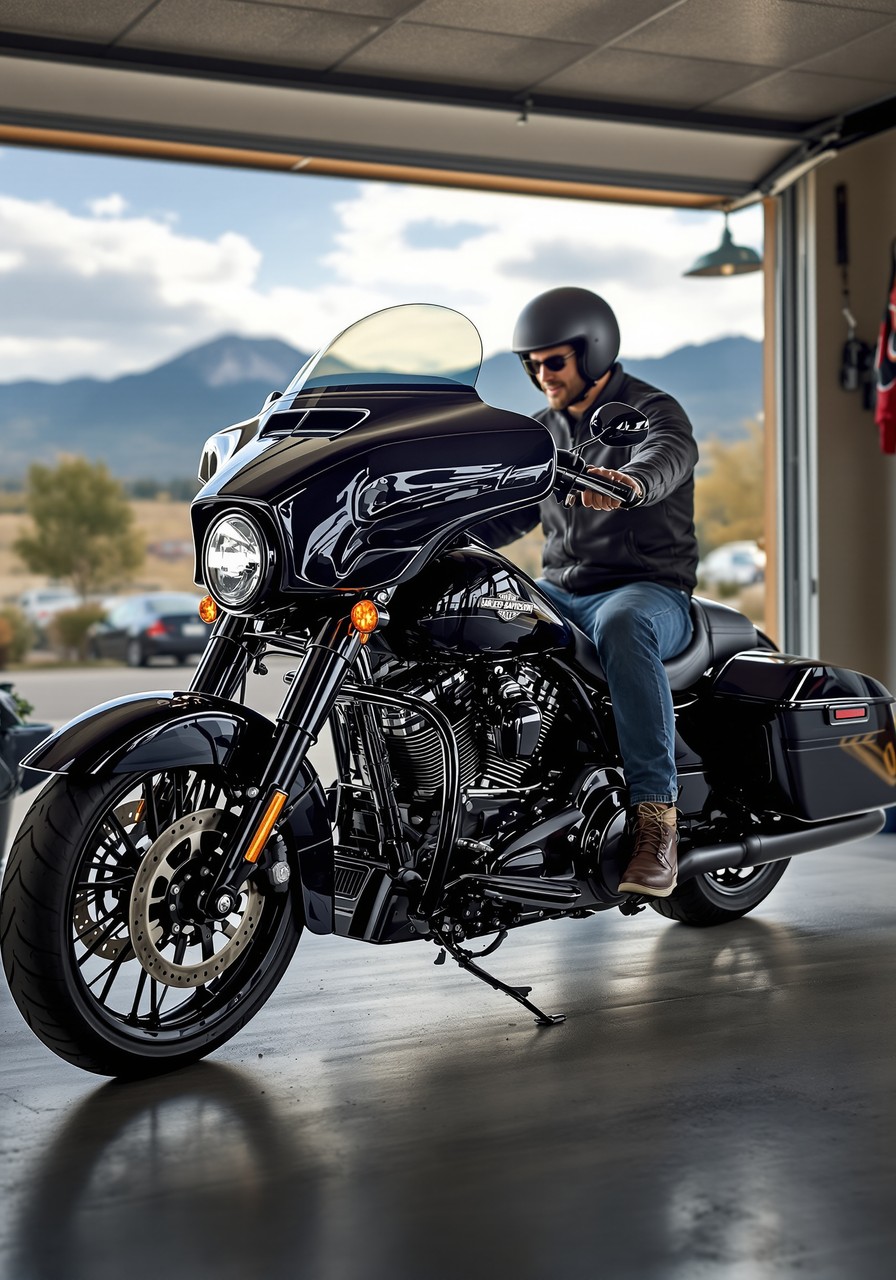
Gear & New Iron
Summer gloves still need armor. Knuckle and palm protection matter just as much in August as in December. #RideNationCO #GearUp #RiderTips
Safety & CO Law
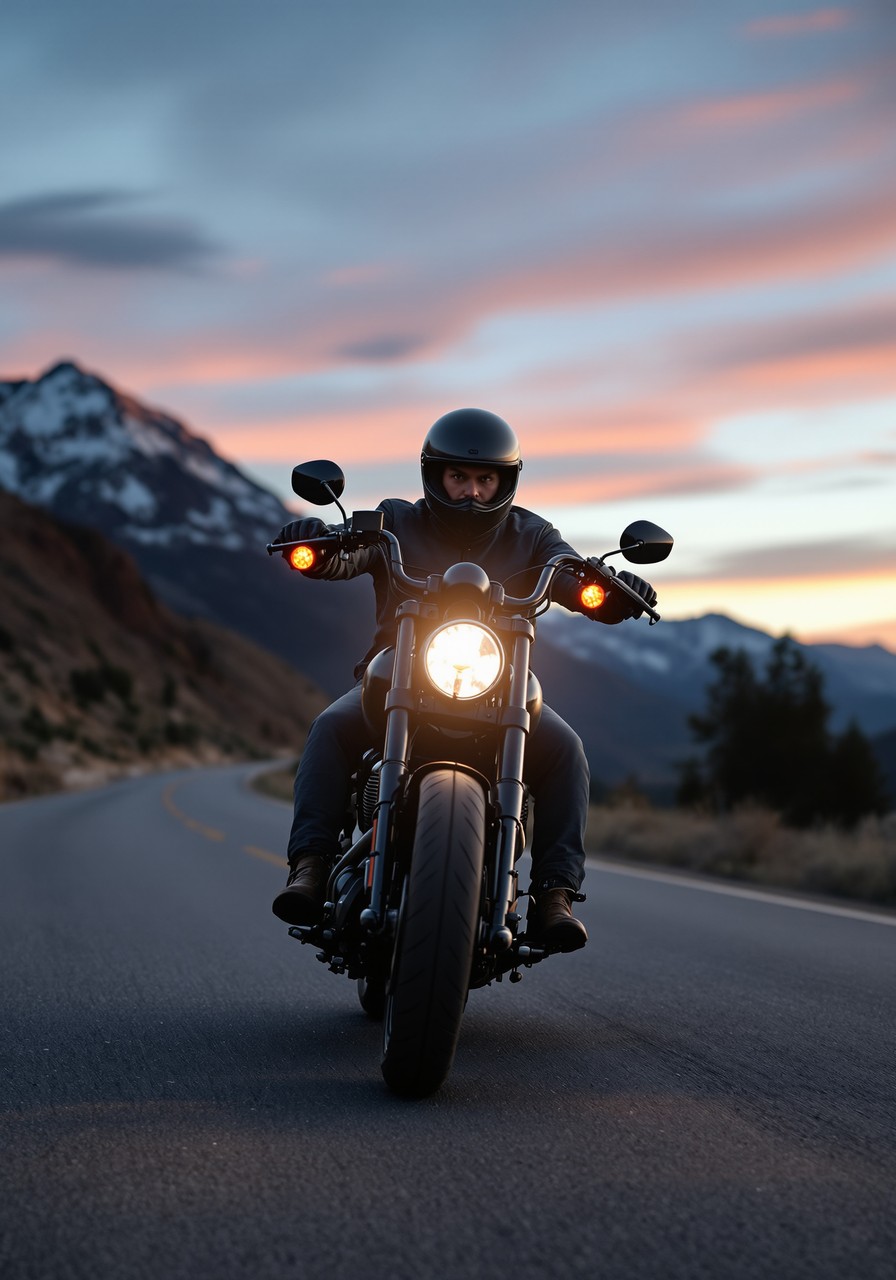
At dusk on Colorado roads, elk and deer step out without warning, and they do not check for headlights. Ease off the throttle at first and last light and scan the shoulders. #RideNationCO #MotorcycleSafety #ColoradoRiders
Engagement
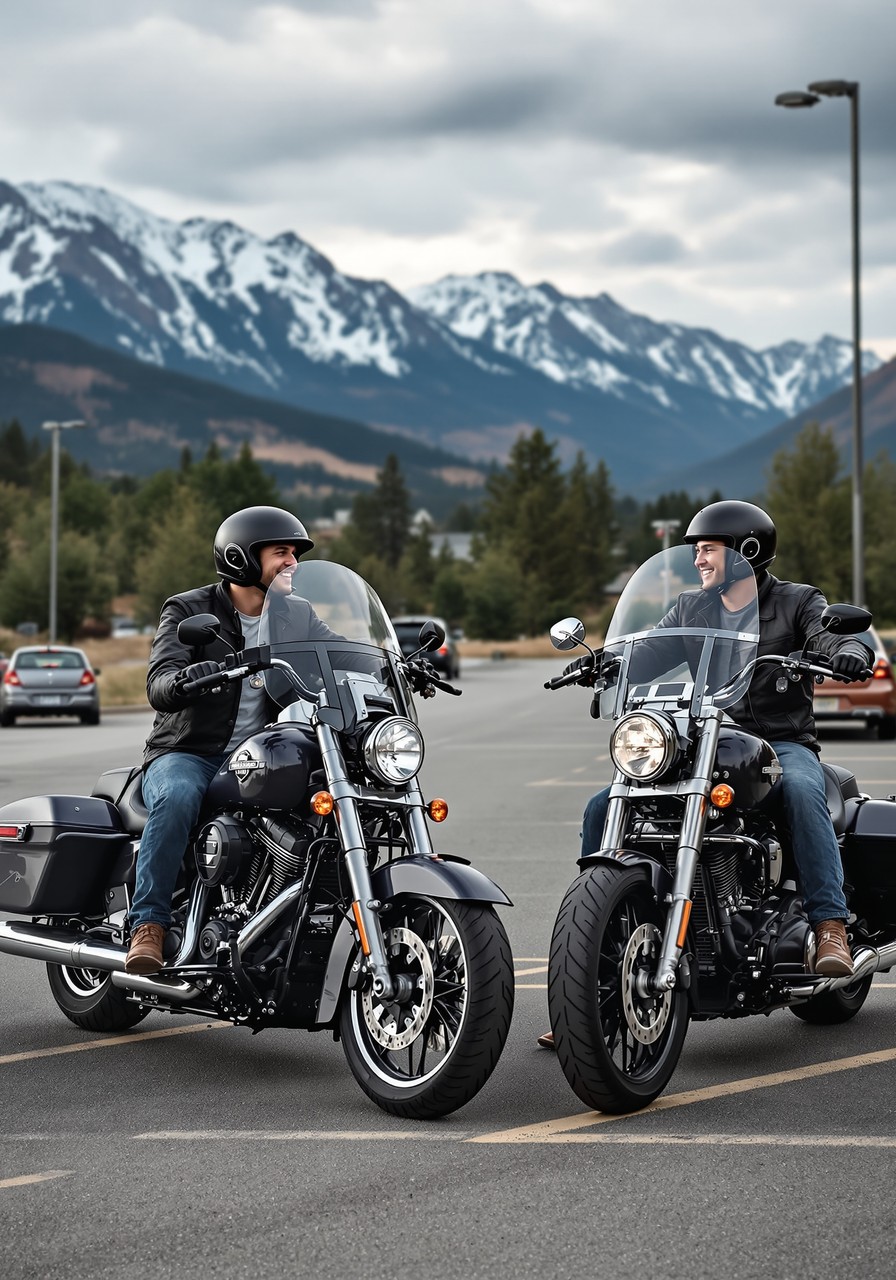
Poll: coffee stop first or miles first? There is a right answer and we want yours. #RideNationCO #DenverRiders #TwoWheels
Giveaway & Countdown
Your entry into the $20,000 giveaway is a free chat with Rider Justice. That is it. (303) 388-5304. #RideNationCO #20kGiveaway #ColoradoRiders
Local CO & Rides
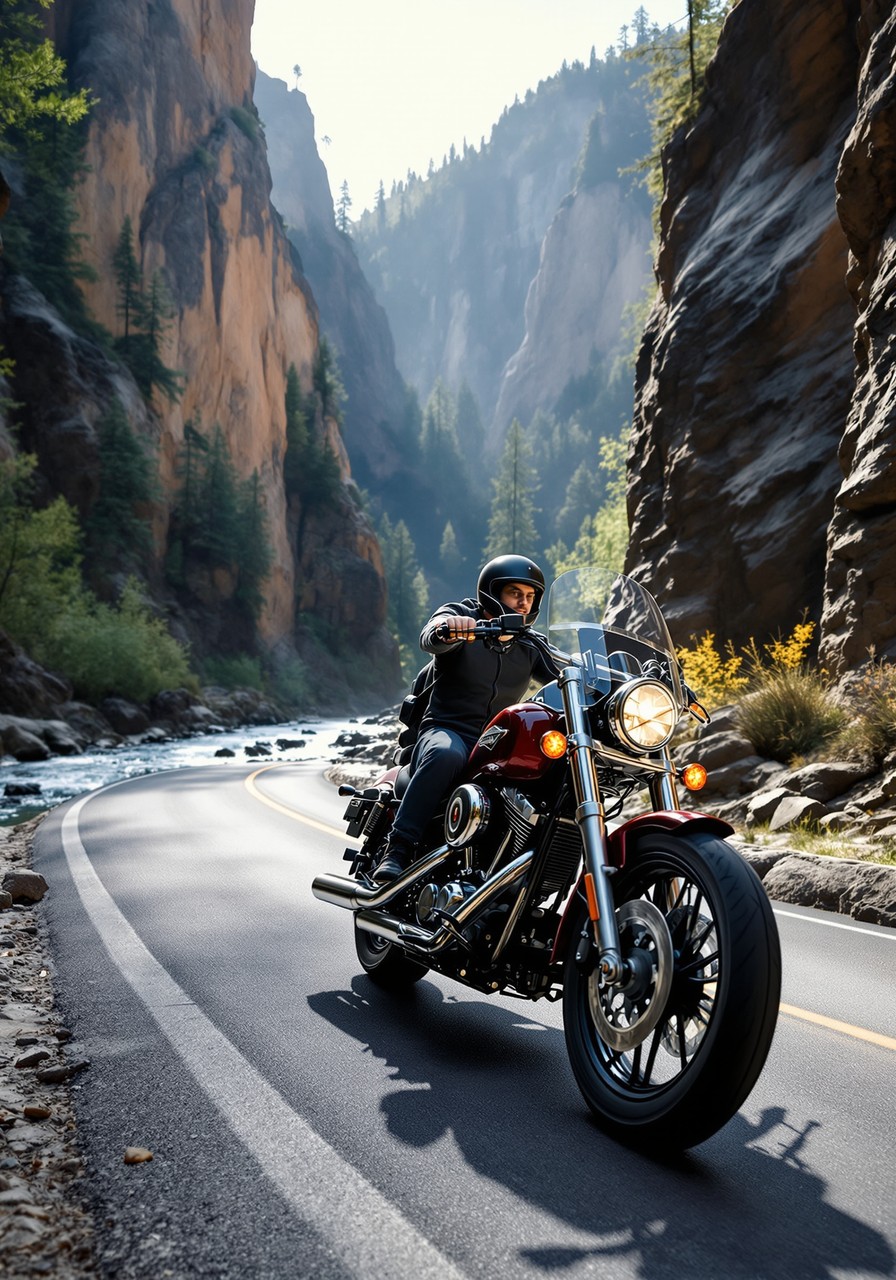
Red Rocks after a Front Range loop, park the bike and let your ears ring from the pipes instead of a show. Golden hour on those fins is hard to beat. #RideNationCO #DenverRiders #MileHigh
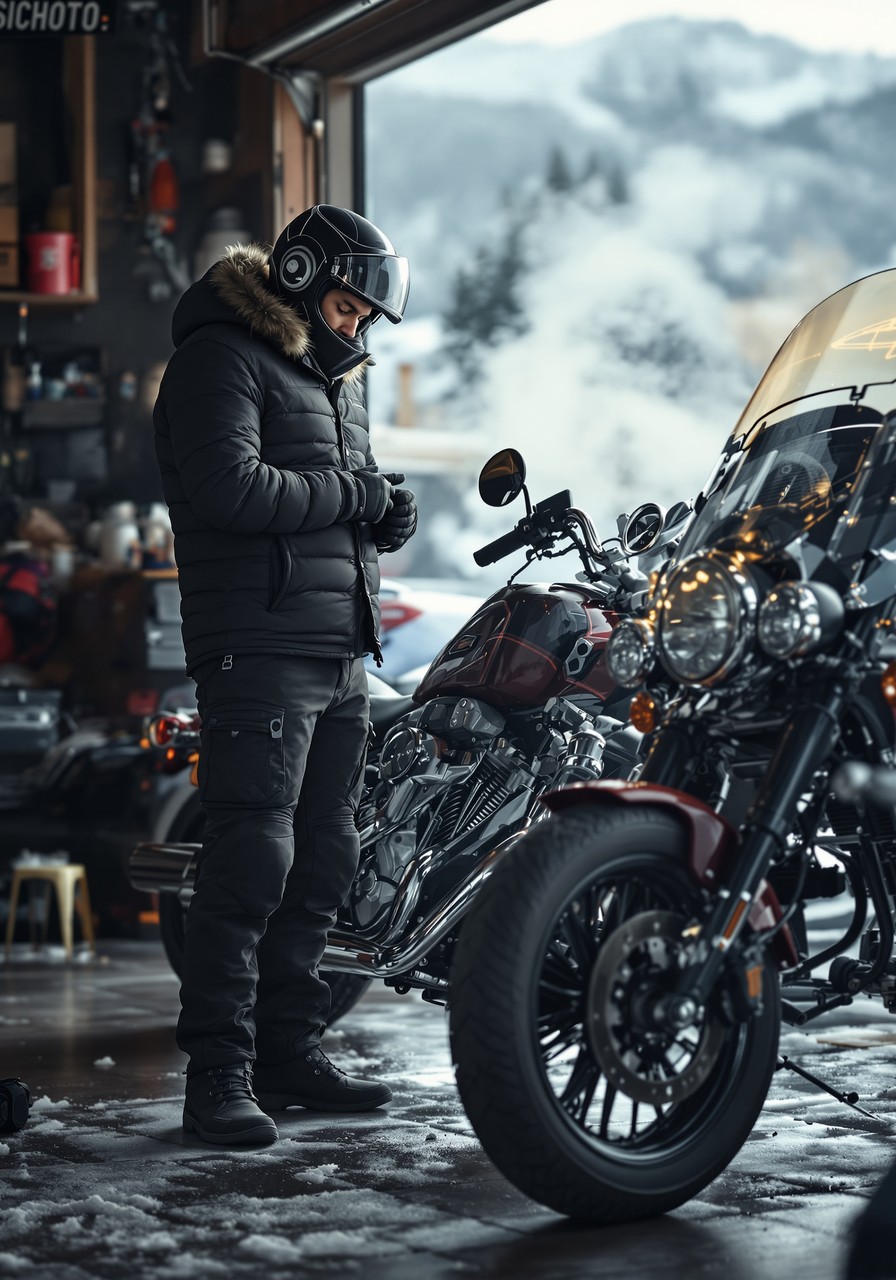
Gear & New Iron
At altitude the sun burns faster than you think. A tinted shield and sunblock on exposed skin save you on long high-country days. #RideNationCO #RiderTips #GearUp
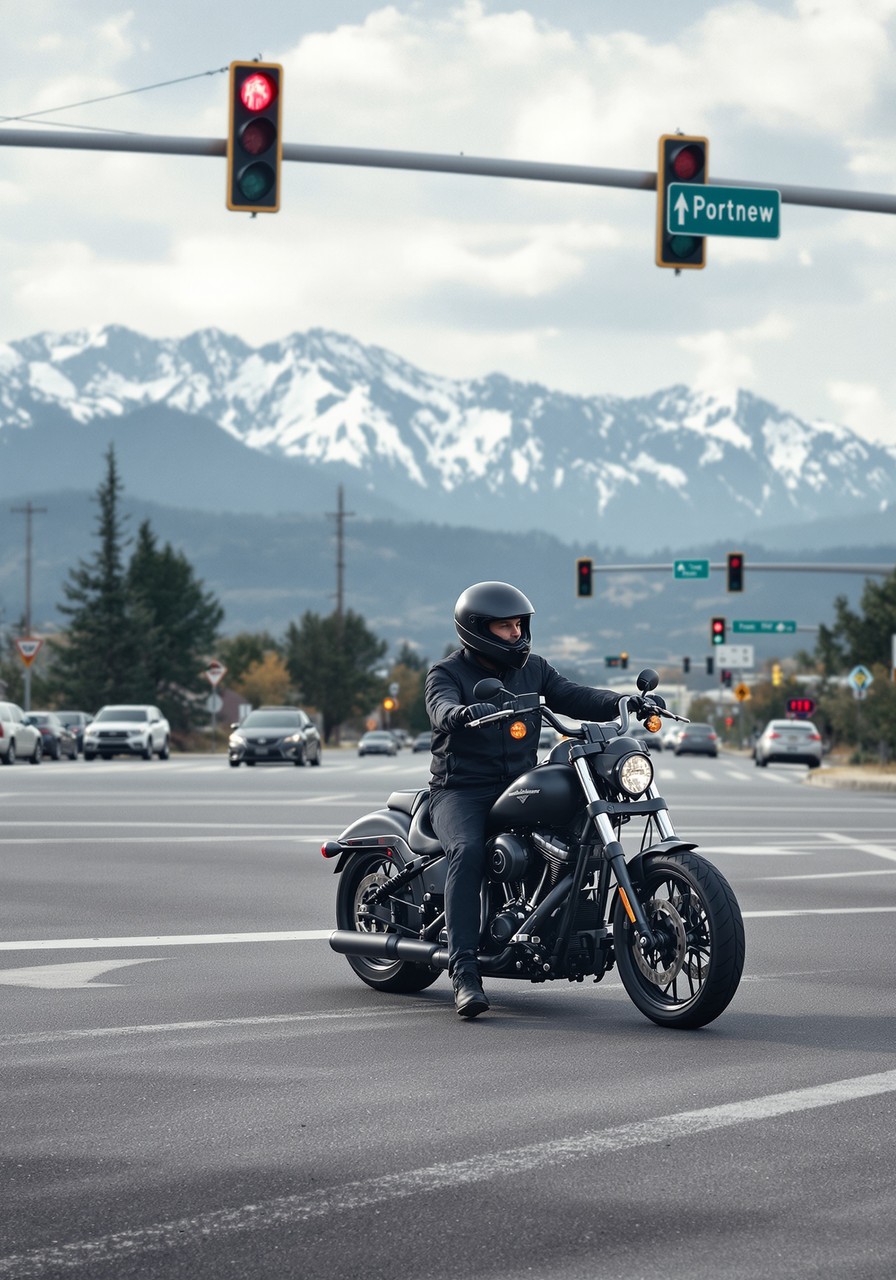
Safety & CO Law
A helmet or bar camera can be the difference between your word and theirs after a crash. Save the footage, do not post it, and back it up before anything gets deleted. Not sure what to do with it? Call Rider Justice at (303) 388-5304. #RideNationCO #RiderRights #KnowYourRights
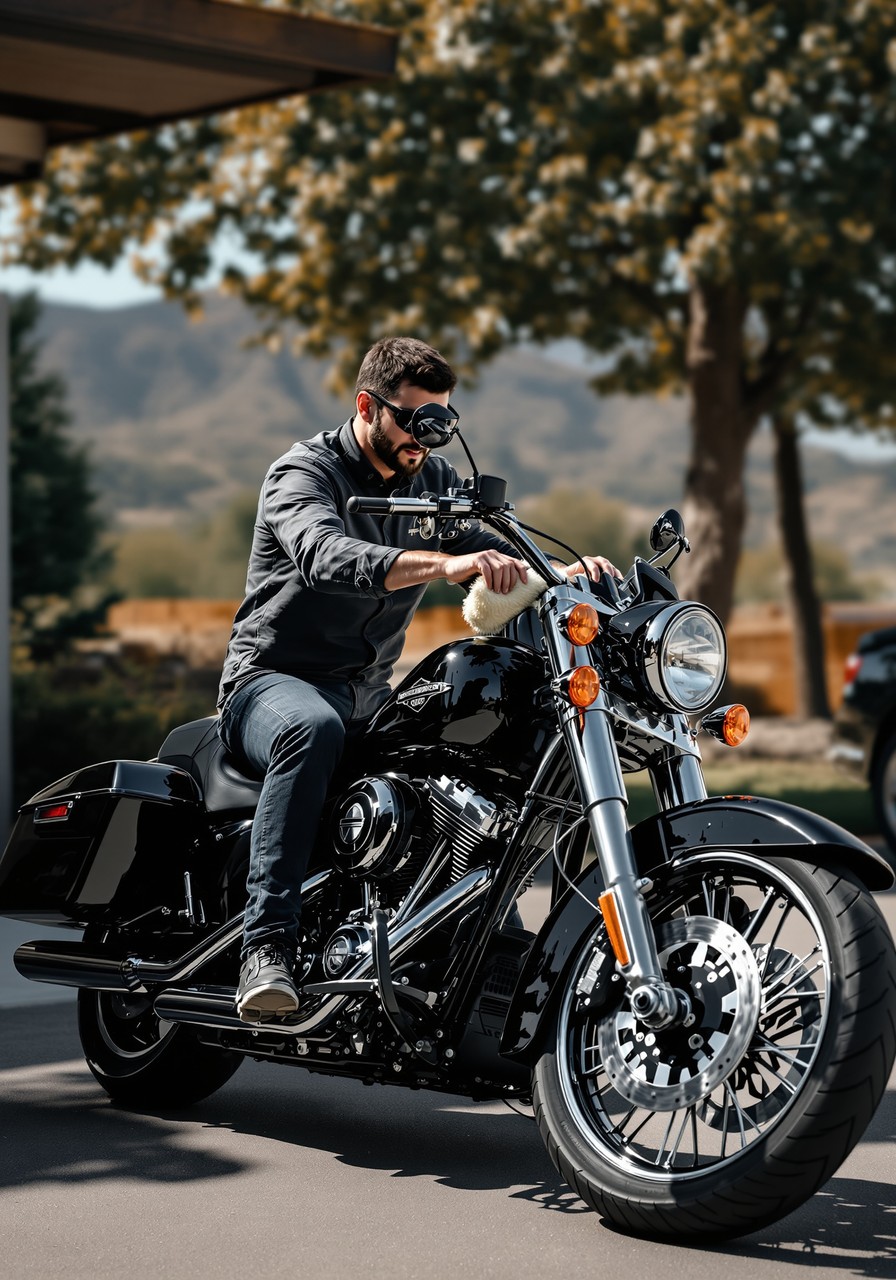
Engagement
Fill in the blank: winter riding in Colorado is 90 percent ______ and 10 percent actual riding. #RideNationCO #FrontRange #MileHigh
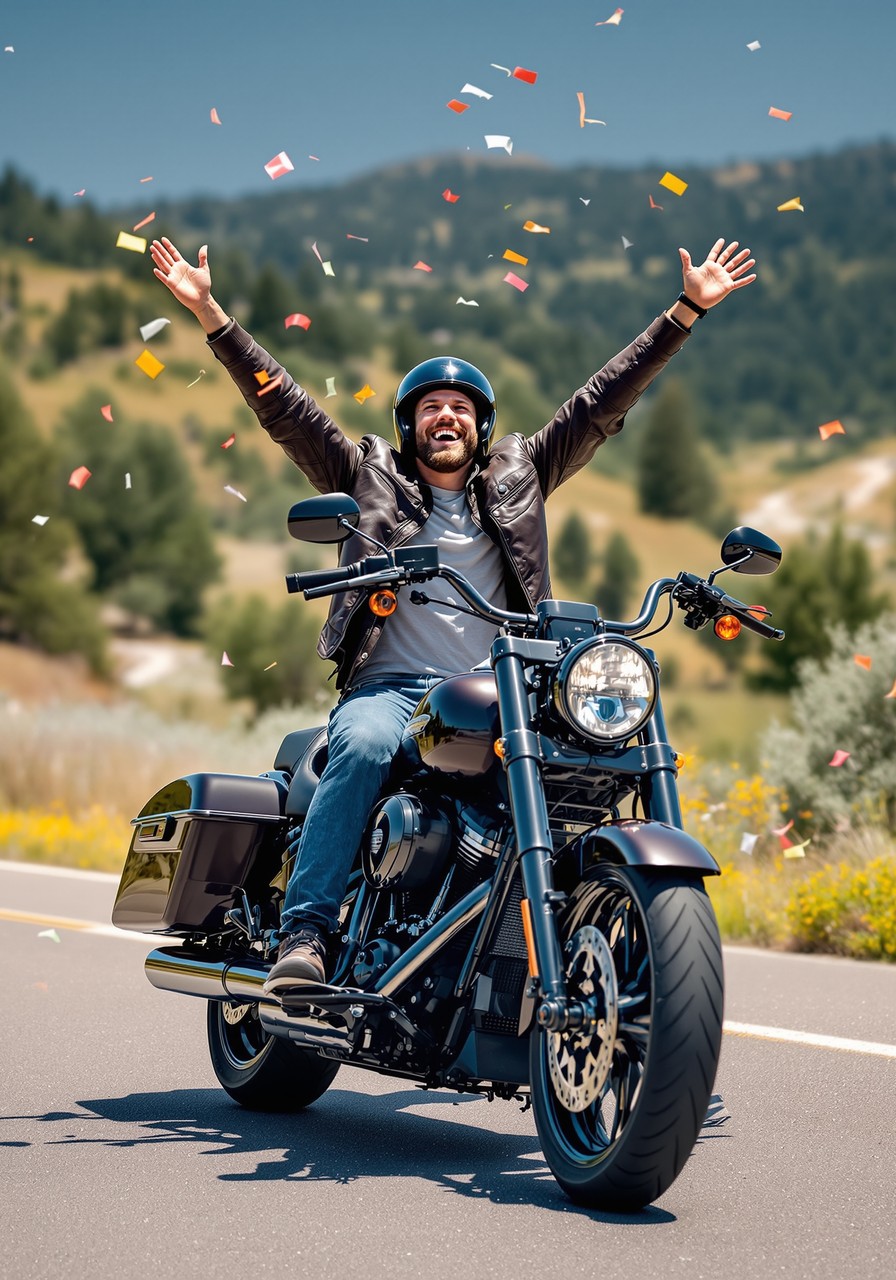
Giveaway & Countdown
Still on the fence? The giveaway is free to enter and the call costs you nothing. (303) 388-5304. #RideNationCO #BikersWin #DenverRiders
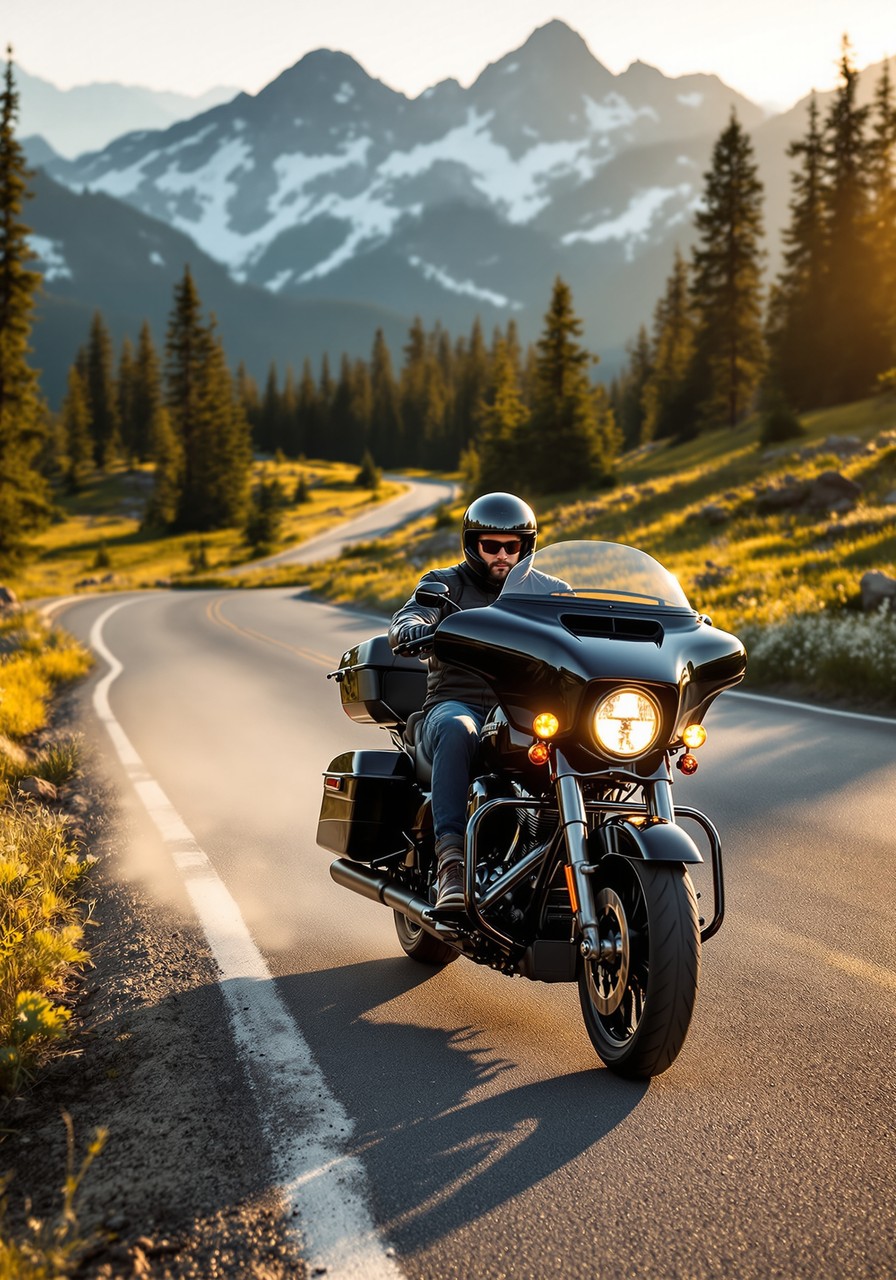
Local CO & Rides
Black ice loves a shaded switchback. The Denver streets can be bone dry while a north-facing corner up the canyon is still glass. #RideNationCO #ColoradoRiders
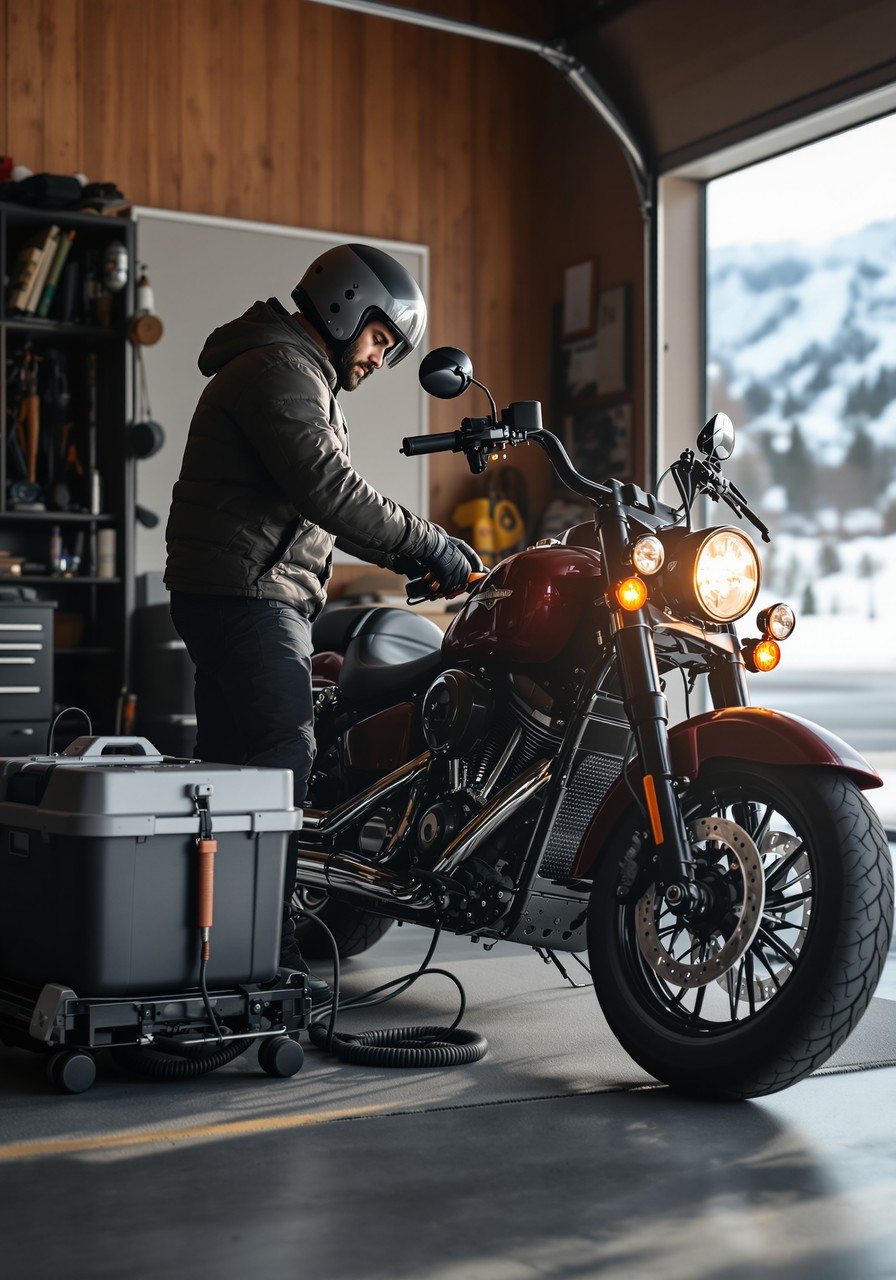
Gear & New Iron
Wind chill at 9,000 feet is no joke. What feels fine in the parking lot will cut through you on the pass. Overdress and vent later. #RideNationCO #ColdWeatherRiding #DenverRiders
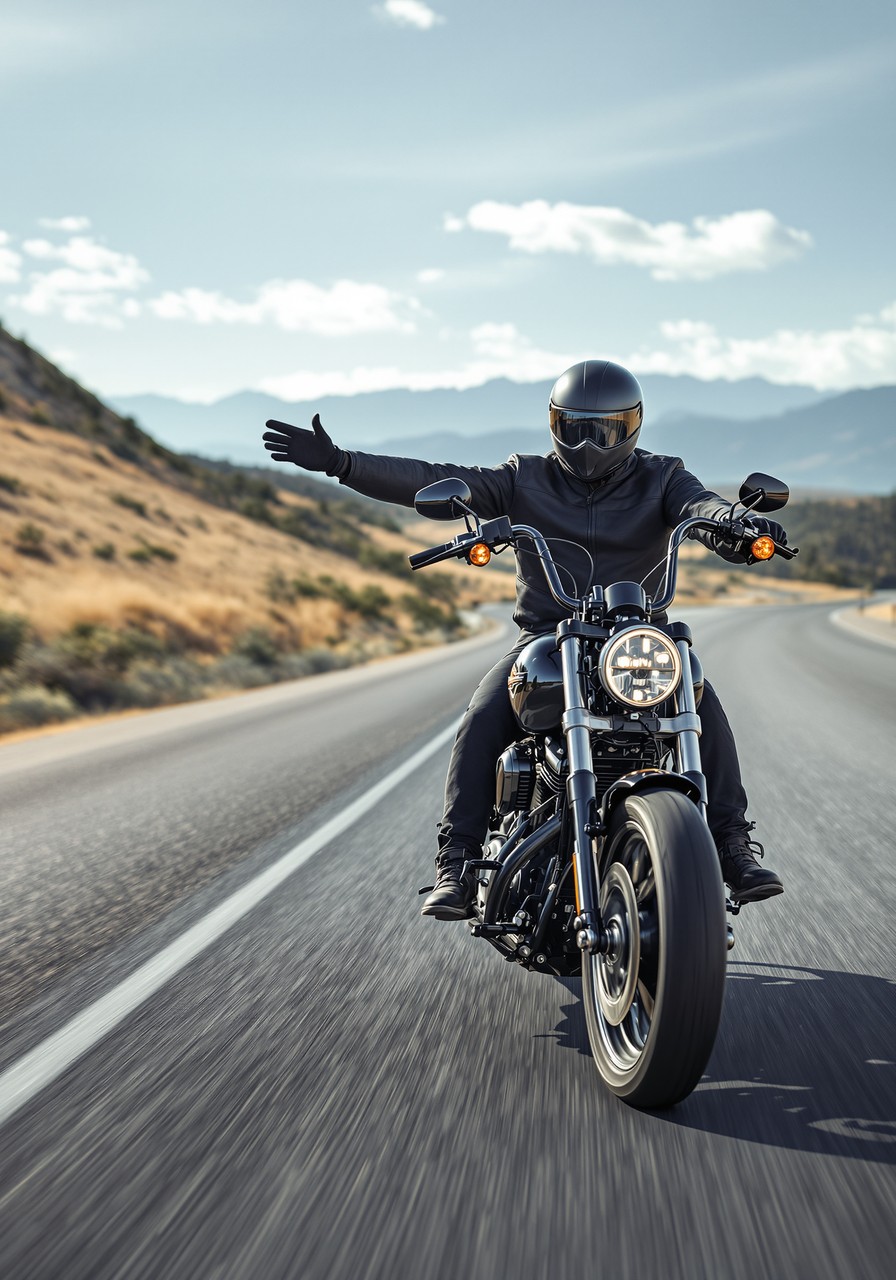
Safety & CO Law
See and be seen is the whole game out here. Bright gear, lane position that keeps you out of blind spots, and a headlight on in daylight all buy you the seconds that matter. #RideNationCO #ATGATT #MotorcycleSafety
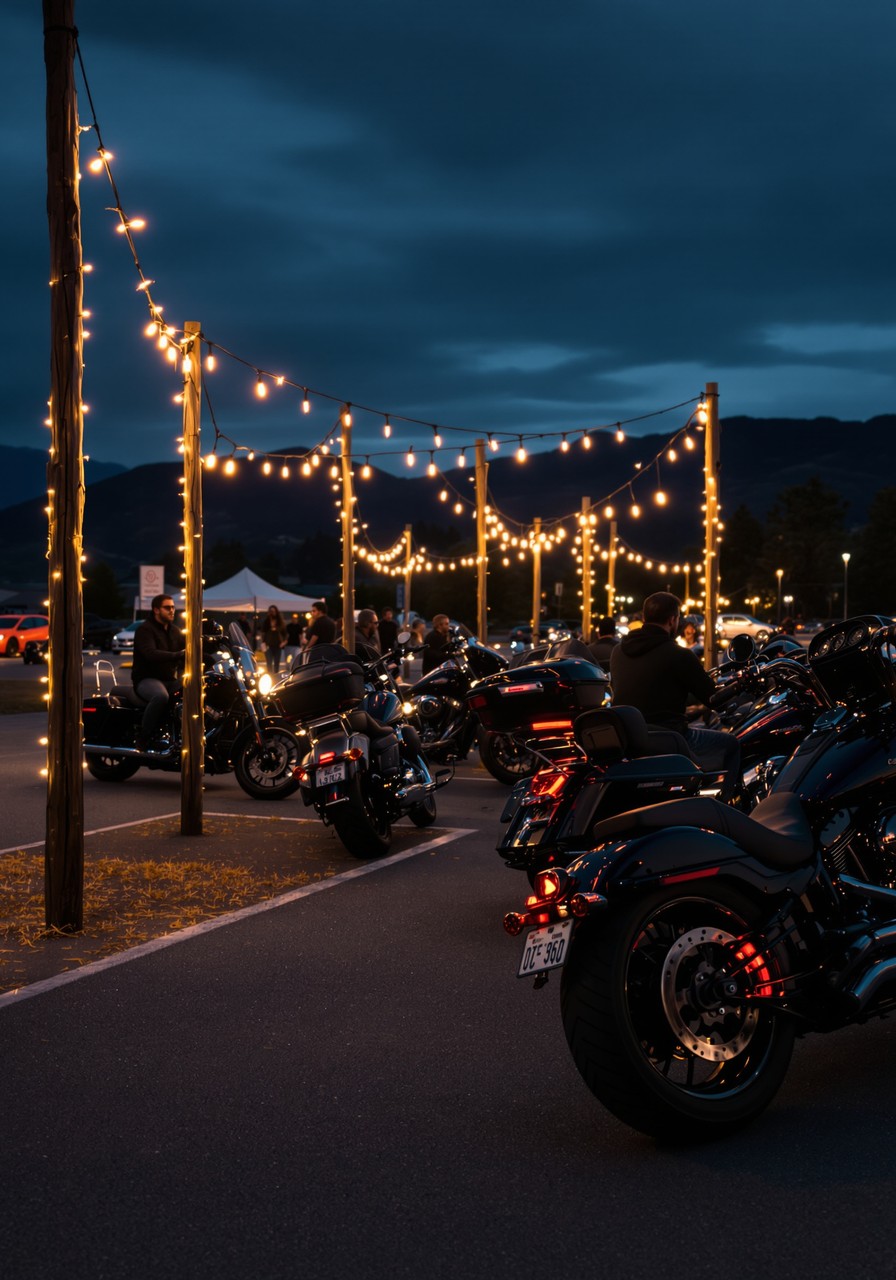
Engagement
Tag the rider who talked you into your first cold-weather ride and swore it would be fine. #RideNationCO #RideOrDie #ColoradoRiders
Giveaway & Countdown
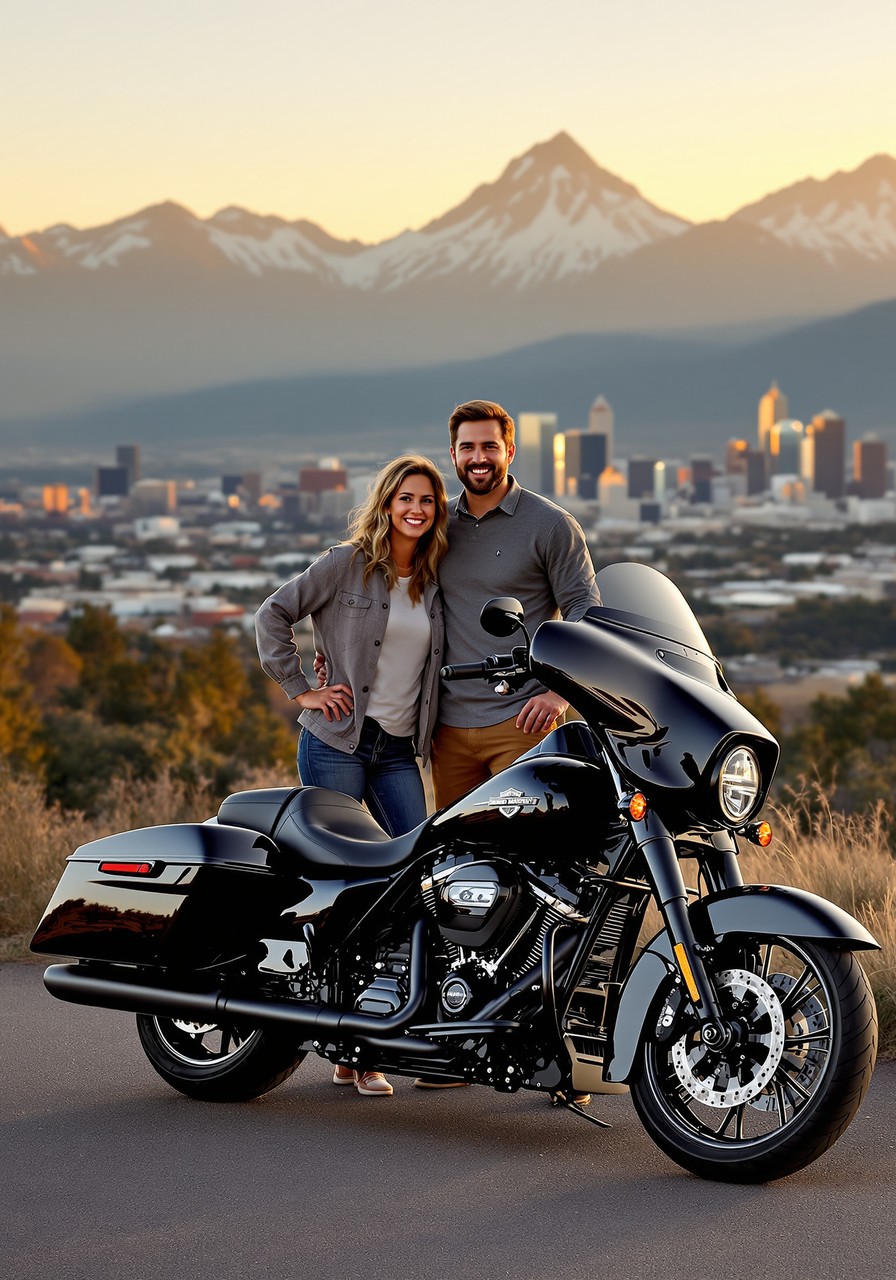
Hurt in a Colorado motorcycle wreck? Talk to Rider Justice and get your name in the $20,000 giveaway. (303) 388-5304. #RideNationCO #MotorcycleGiveaway #FrontRange
Local CO & Rides
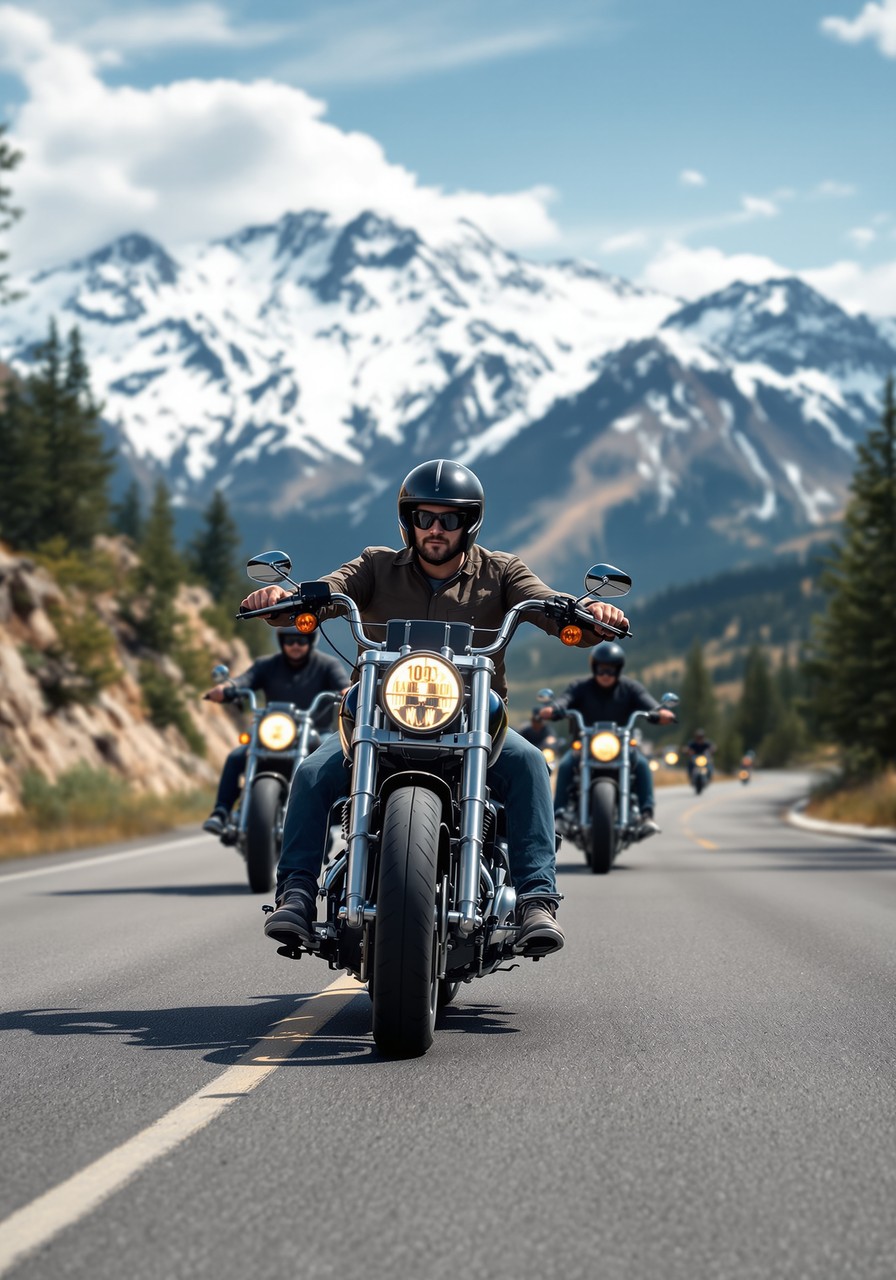
Elk and deer own the dusk hours on every canyon road out here. Back off the pace when the light goes long and the shadows fill the ditches. #RideNationCO #RockyMountains #ColoradoRiders
Gear & New Iron
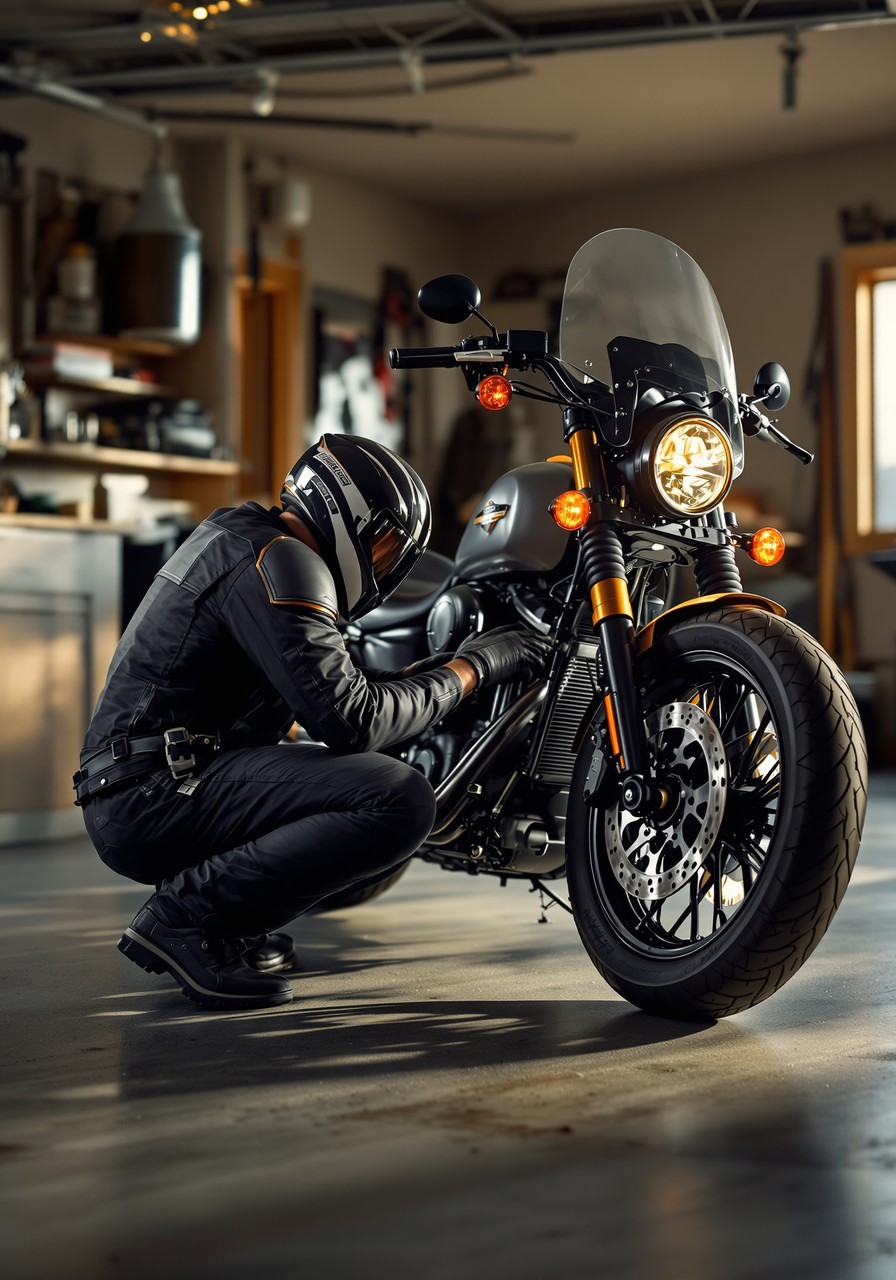
Hi-viz is not just for beginners. On a crowded I-25 merge, being seen a half-second sooner is the whole game. #RideNationCO #GearUp #RiderTips
Safety & CO Law
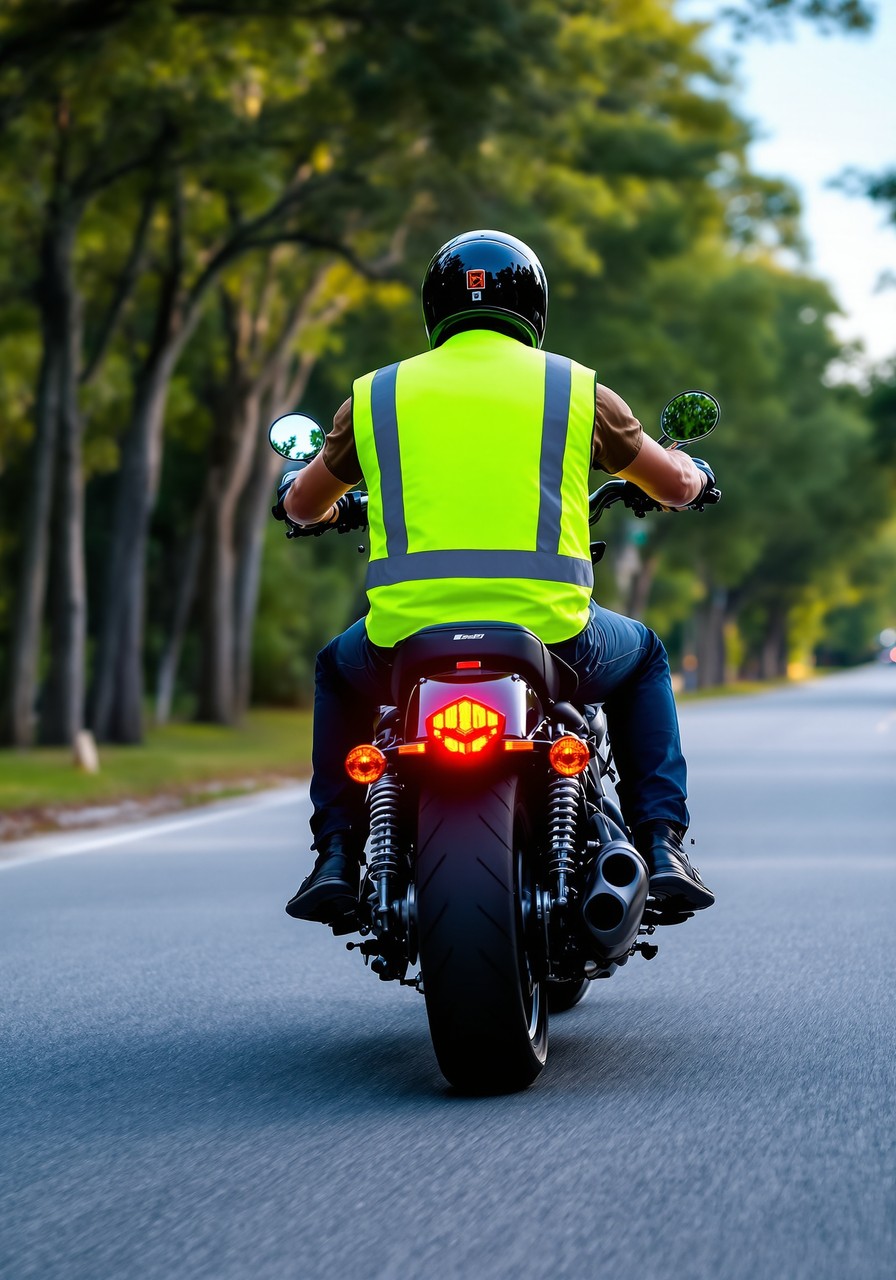
In a 50 percent comparative fault state, the insurer's job is to pin part of the blame on you and shrink your recovery. Photos, witness names, and the police report are how you fight back. Have someone review it with you. Call Rider Justice at (303) 388-5304. #RideNationCO #RiderRights #ColoradoRiders
Engagement
This or that: chase the warm day and ride now, or wait for spring and do it right. #RideNationCO #RockyMountains #DenverRiders
Giveaway & Countdown
Enter the BikersWin giveaway the easy way. Call (303) 388-5304 for a free case review and you are in. #RideNationCO #20kGiveaway #ColoradoRiders
Local CO & Rides
Afternoon thunderheads build fast over the Front Range in summer. Do the high stuff early and be off the pass before the sky turns dark and mean. #RideNationCO #RockyMountains #ColoradoRiders
Gear & New Iron
Reflective piping and a bright shell do their best work at dusk, when Front Range traffic stops looking for bikes. #RideNationCO #GearUp #DenverRiders
Safety & CO Law
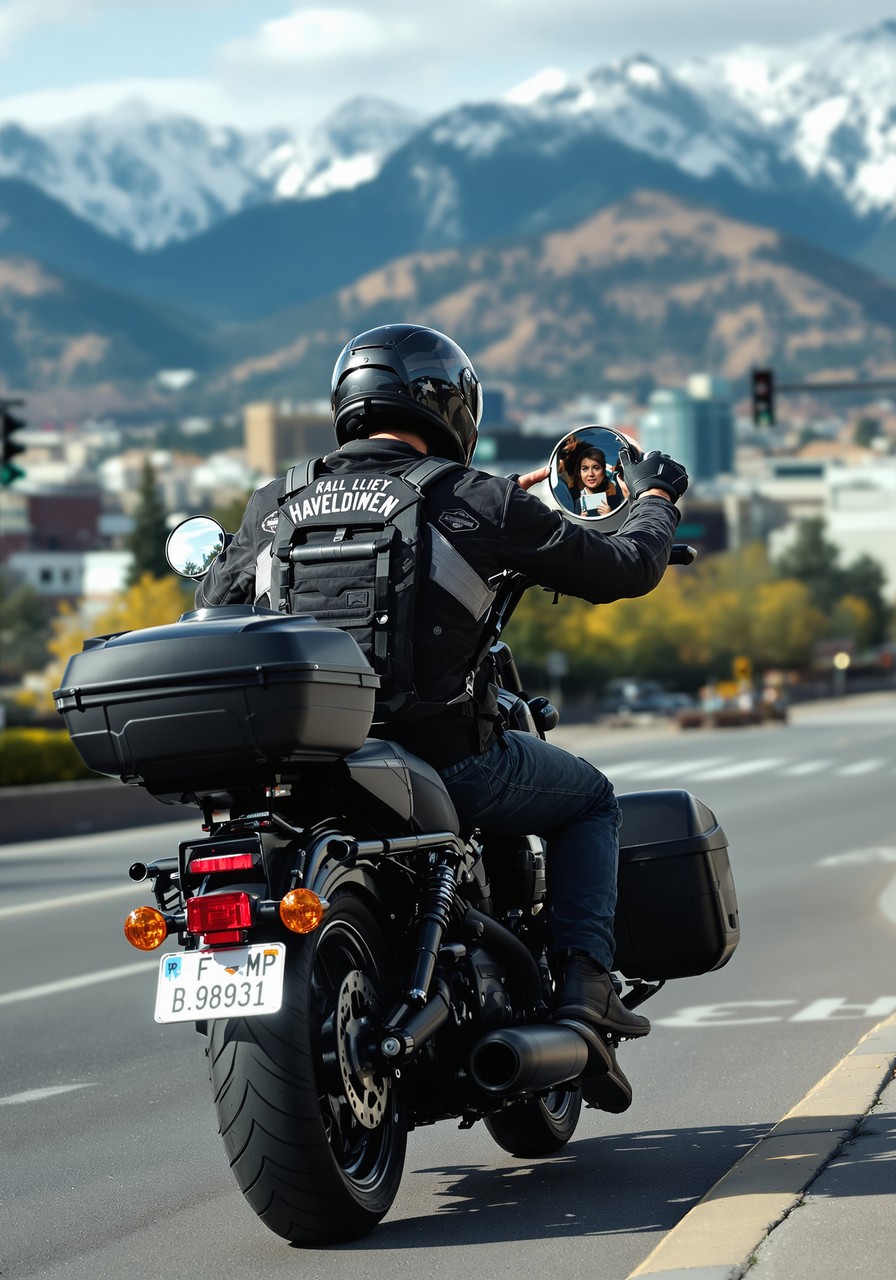
Altitude and fast moving storms can flip a clear Colorado ride into rain, hail, or wind in minutes. Check the forecast, pack a layer, and do not be too proud to wait one out. #RideNationCO #MotorcycleSafety #FrontRange
Engagement
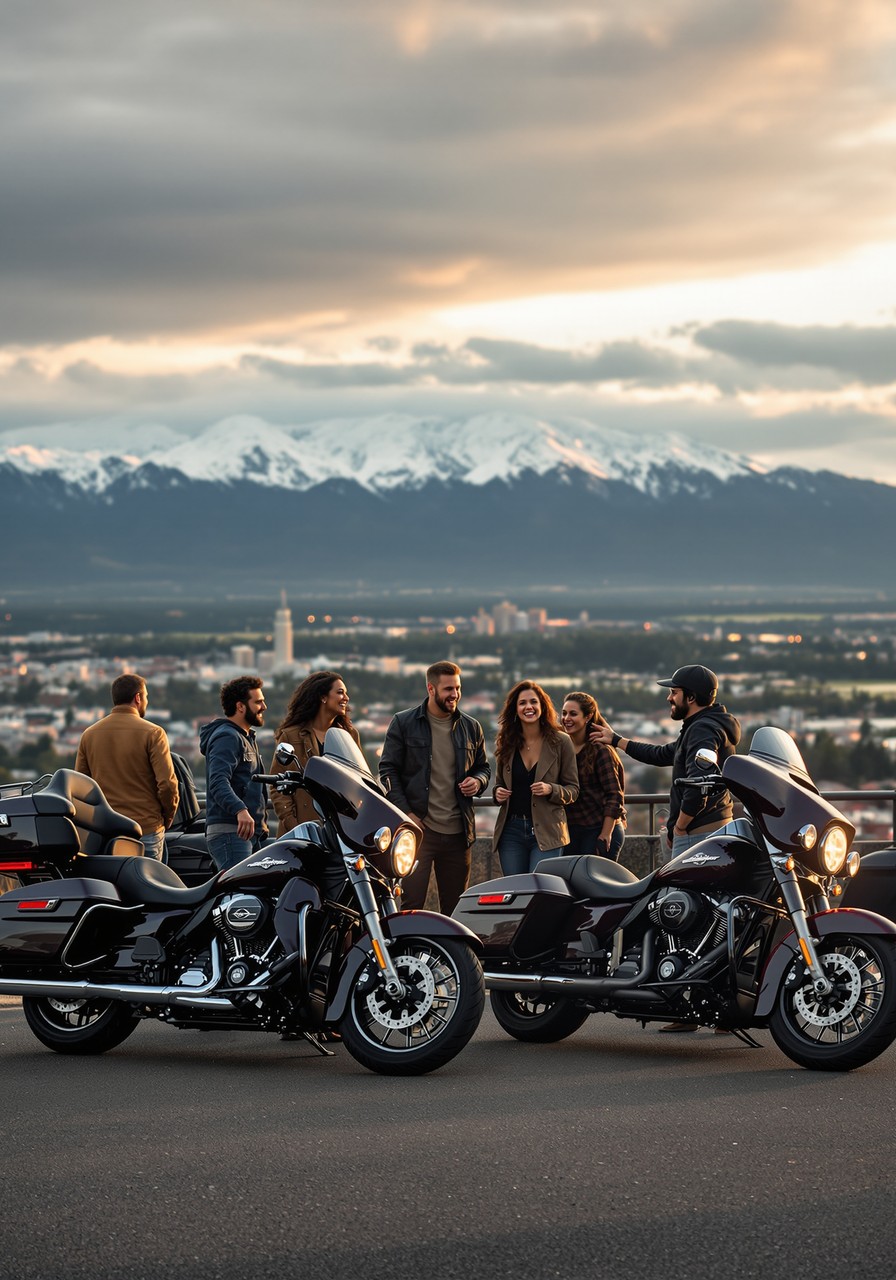
Two words for how the Front Range looks the morning after fresh snow on the peaks. Go. #RideNationCO #FrontRange #MileHigh
Giveaway & Countdown
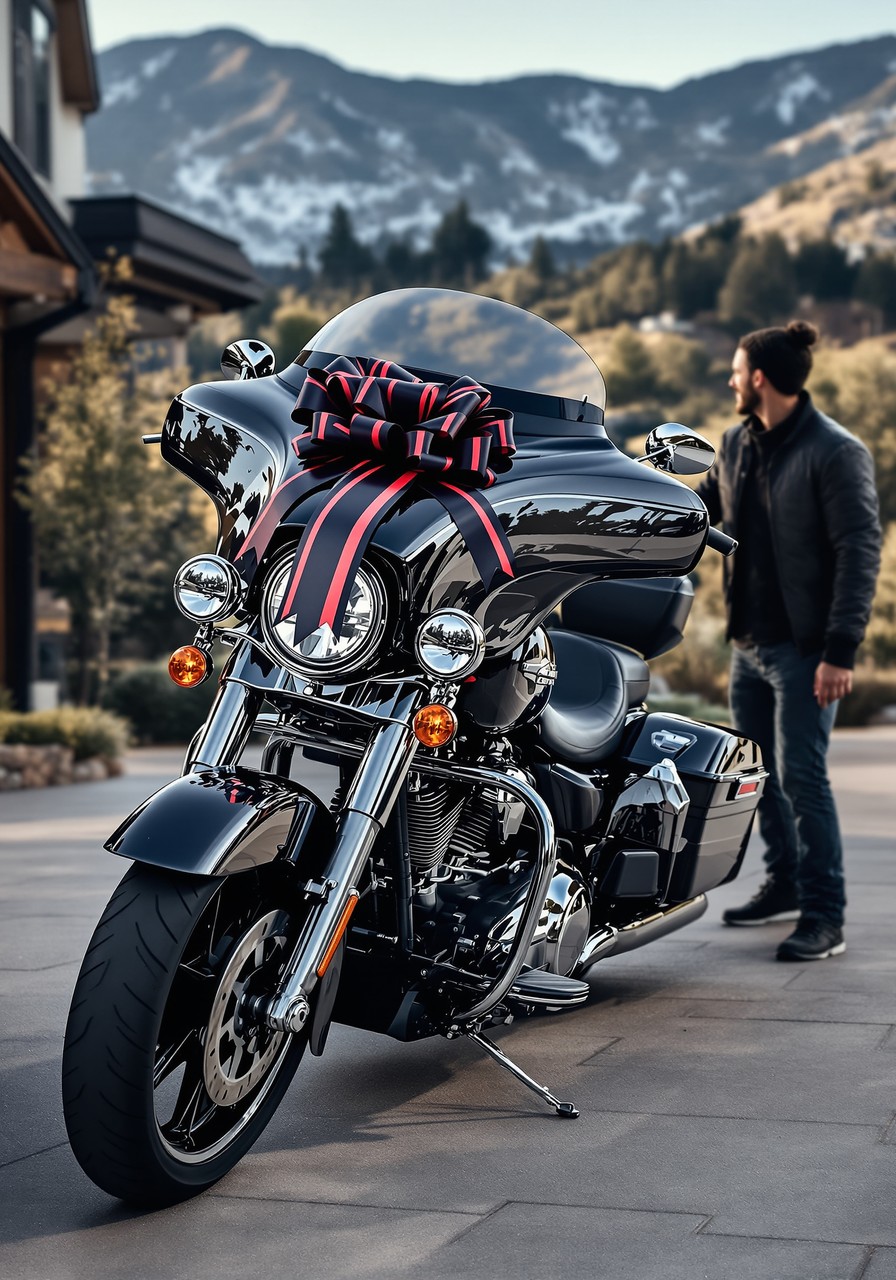
Every rider deserves a shot at $20,000. Yours starts with a free call to Rider Justice. (303) 388-5304. #RideNationCO #BikersWin #DenverRiders
Local CO & Rides
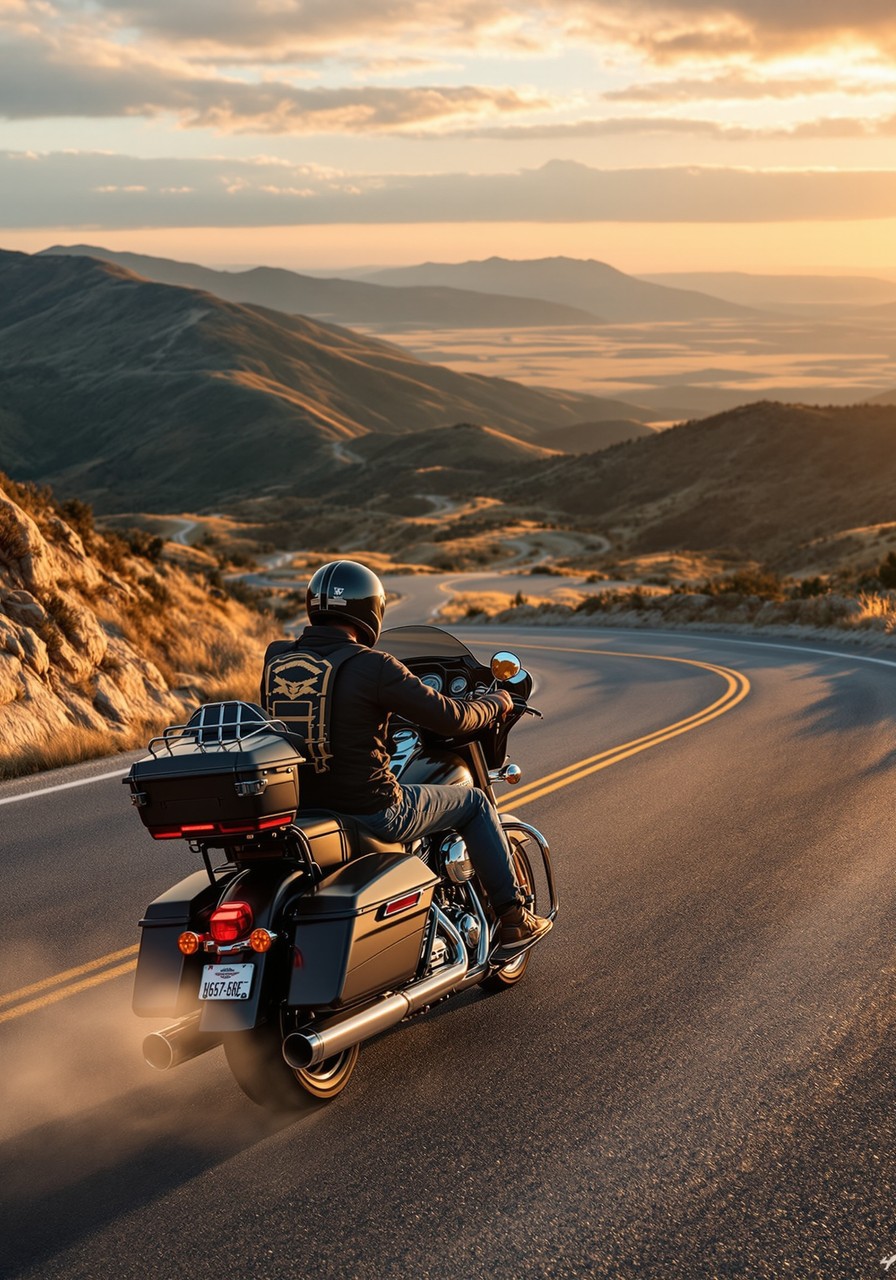
Chip seal season leaves fresh gravel and tar snakes on half the good roads. If it looks freshly laid, slow your entry and stay off the brakes mid corner. #RideNationCO #MotorcycleRoads #FrontRange
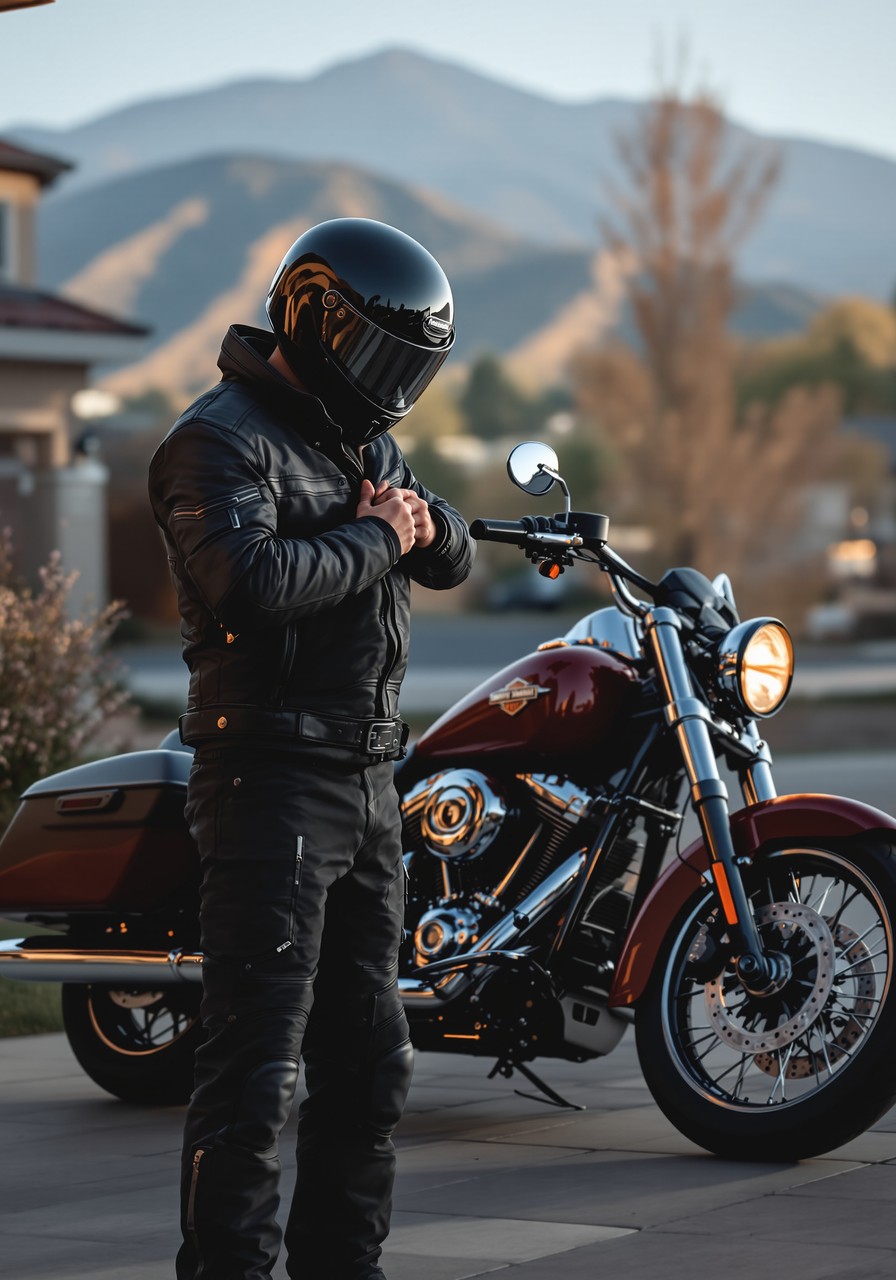
Gear & New Iron
ATGATT is not about fear, it is about riding again tomorrow. All the gear, all the time, every ride. #RideNationCO #ATGATT #BikerLife
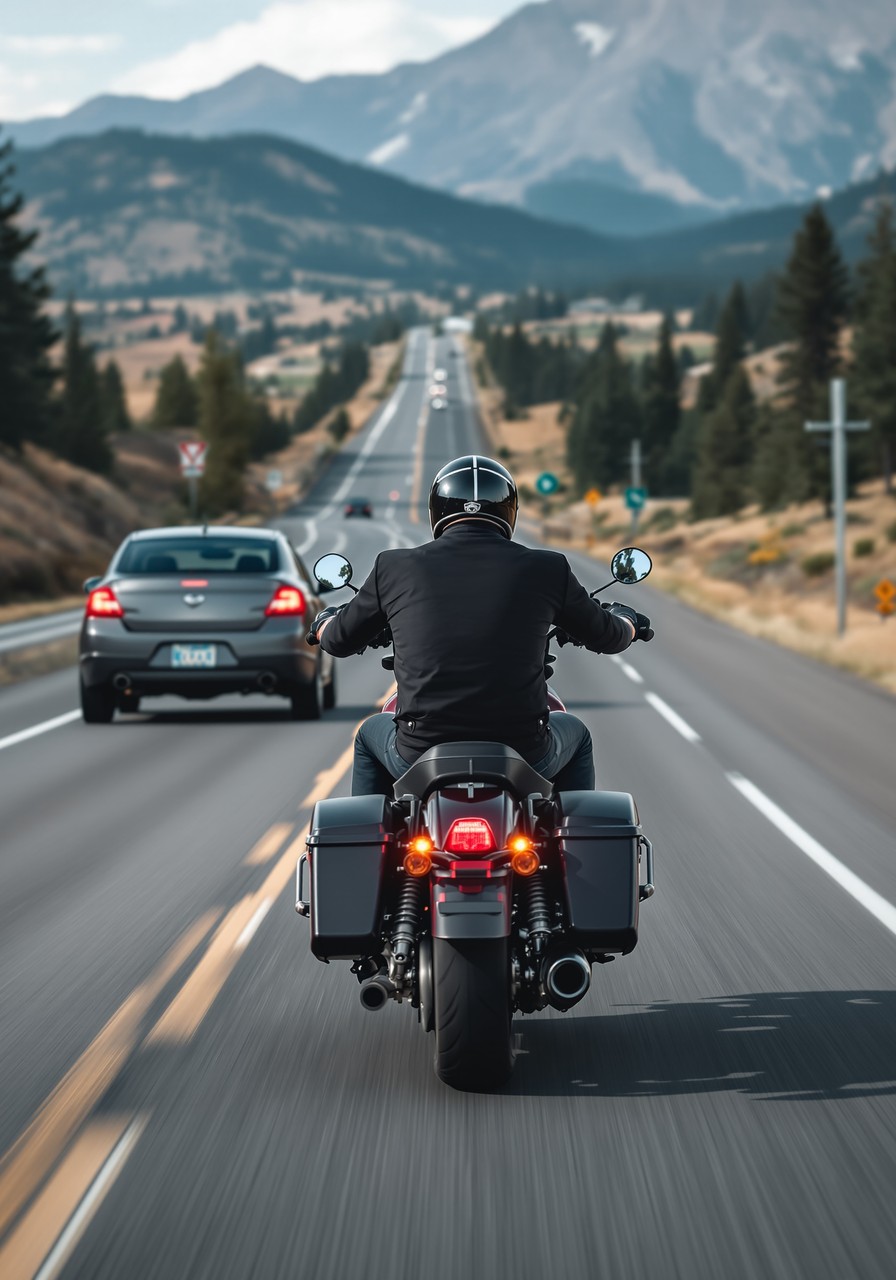
Safety & CO Law
Filtering past stopped traffic at 15 mph or less is now legal in Colorado, but it does not mean an inattentive driver gets a pass if they hit you. Confused about how the new law affects a claim? Call Rider Justice at (303) 388-5304. #RideNationCO #KnowYourRights #DenverRiders
Engagement
Real talk: what is the one piece of gear that saved your winter ride? #RideNationCO #TwoWheels #ColoradoRiders
Giveaway & Countdown
Do not miss the window. Ask Rider Justice about the $20,000 giveaway today at (303) 388-5304. #RideNationCO #MotorcycleGiveaway #FrontRange
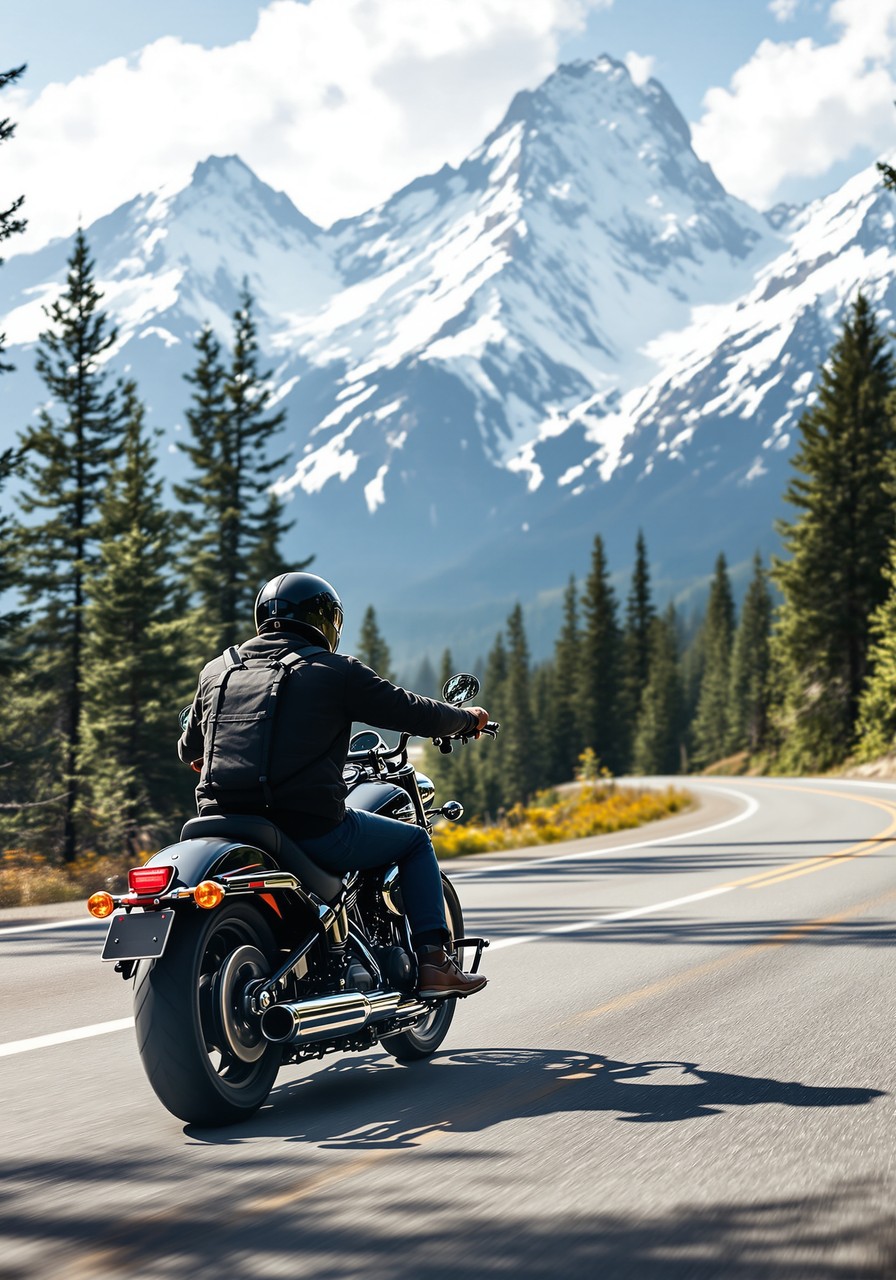
Local CO & Rides
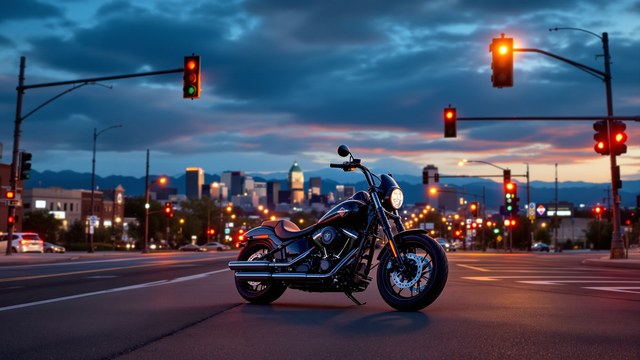
Cherry Creek and the metro grid are fine for a quick evening spin, but the real ride starts where the foothills begin. Point west and go. #RideNationCO #DenverRiders #MileHigh
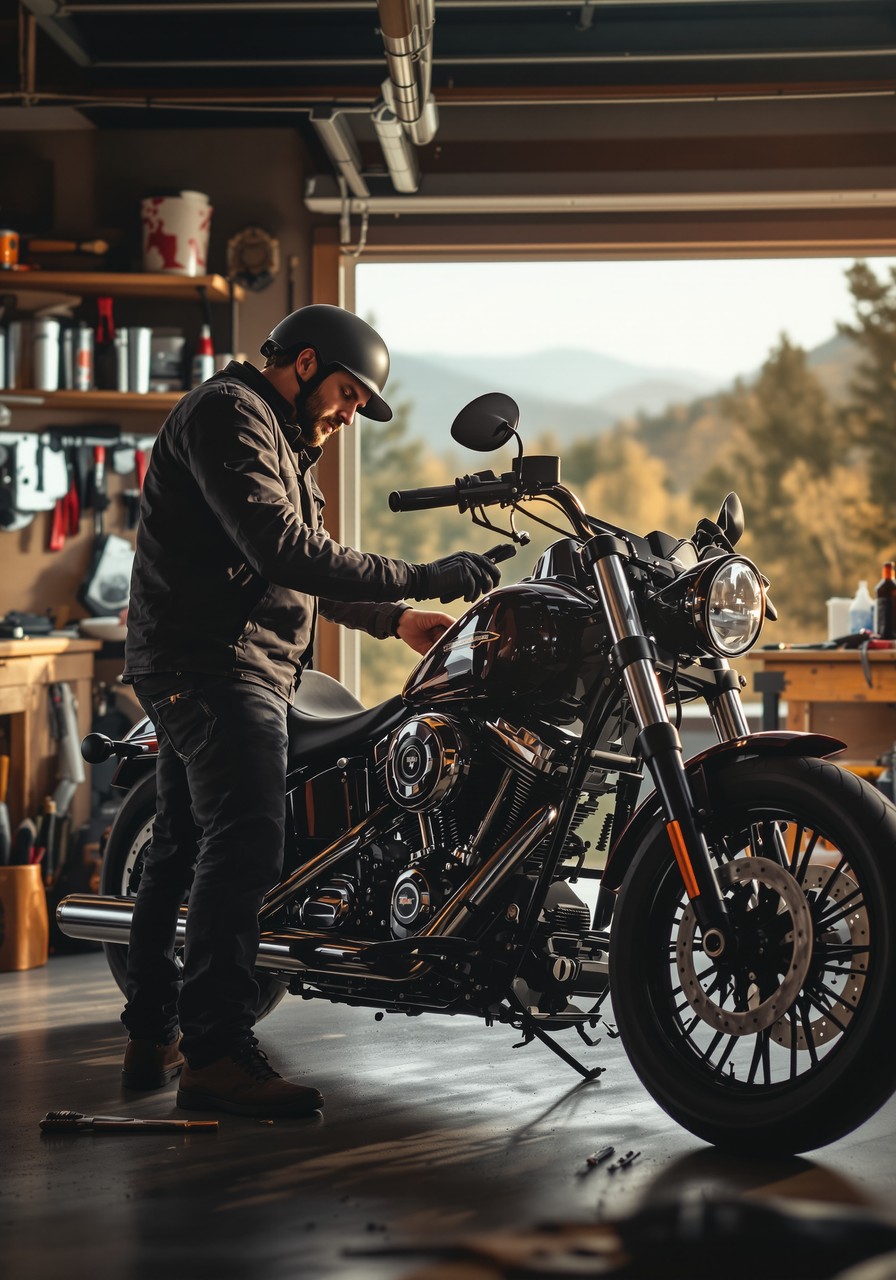
Gear & New Iron
Real riding boots cover the ankle and resist crushing. Sneakers roll and tear the moment a bike lands on your foot. #RideNationCO #ATGATT #GearUp
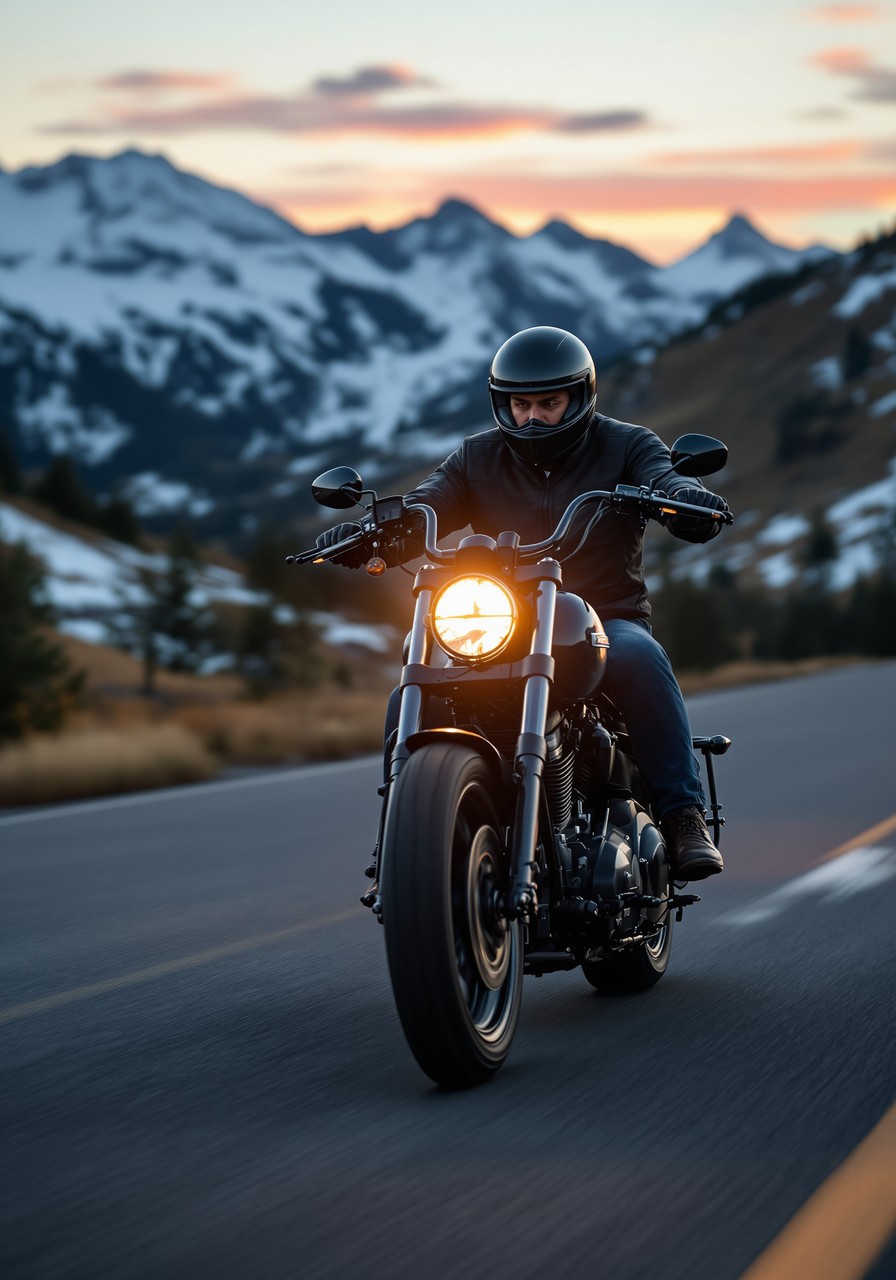
Safety & CO Law
Colorado requires eye protection for every rider, no matter your age or your helmet choice. A rock or a bug at highway speed can end a ride, so shield those eyes every time. #RideNationCO #MotorcycleSafety #ColoradoRiders
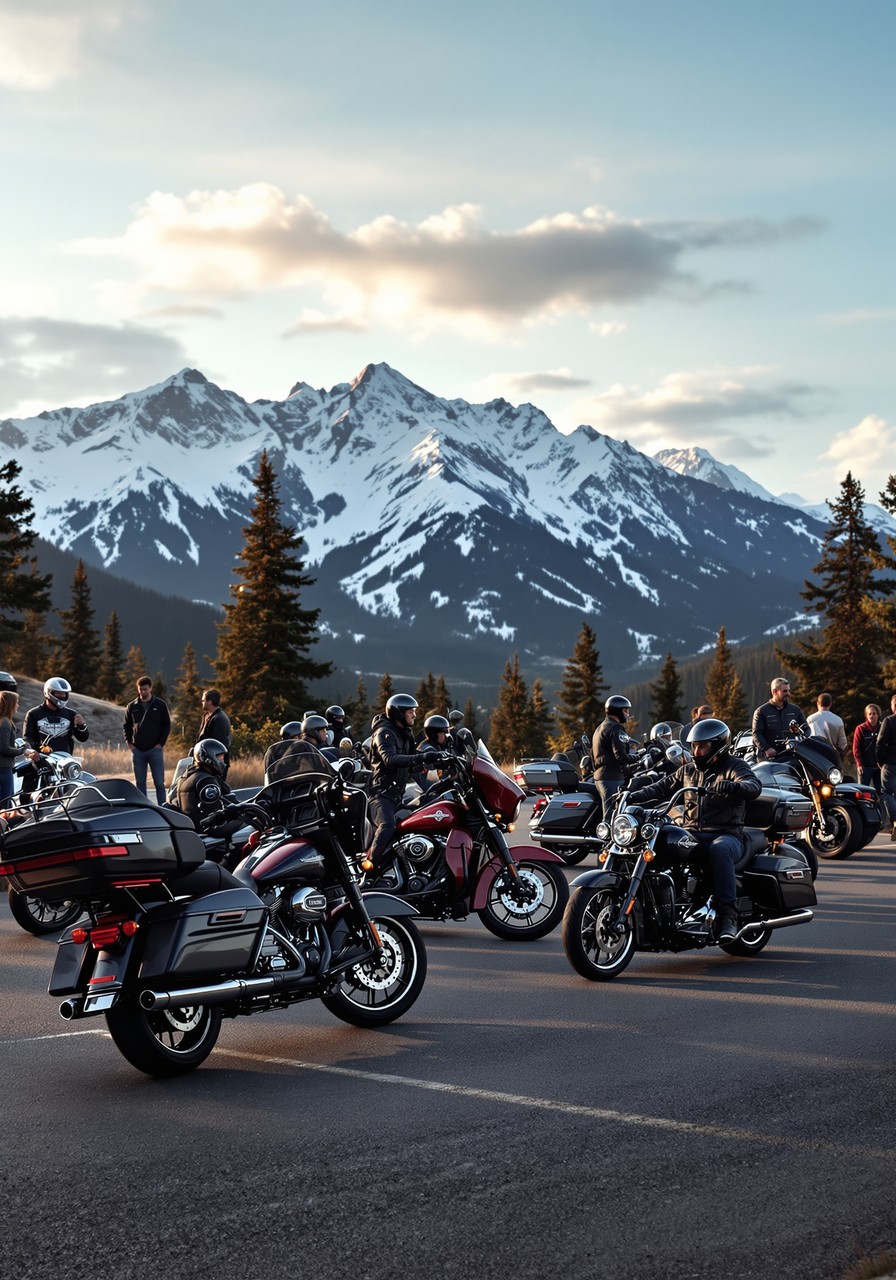
Engagement
Caption this: your bike under a cover in December, both of you counting down. #RideNationCO #DenverRiders #TwoWheels
Giveaway & Countdown
Countdown is on, Denver. Twenty thousand reasons to keep your eyes on Ride Nation. #RideNationCO #MotorcycleGiveaway #DenverRiders
Local CO & Rides
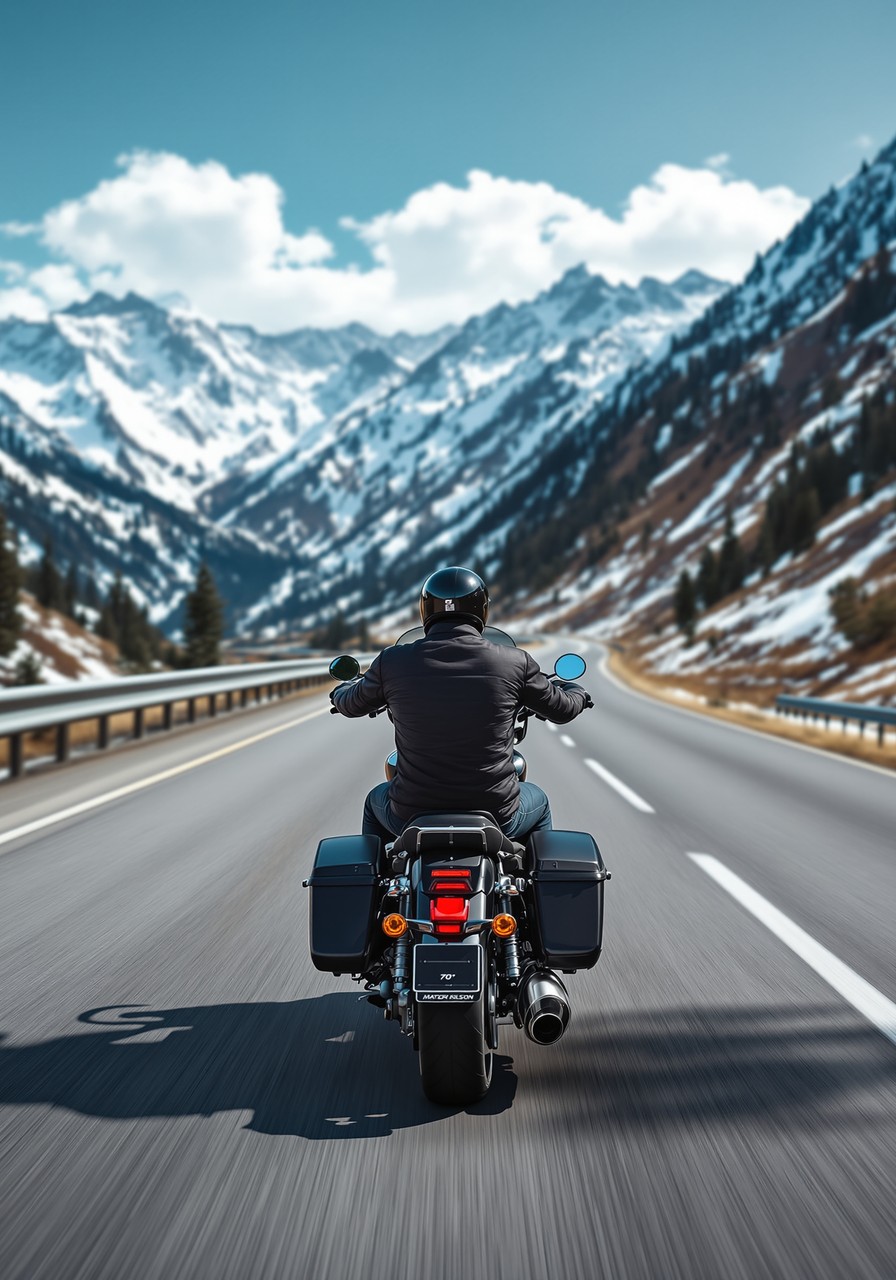
I-70 into the high country on a summer weekend is a slog. Leave at first light, get up and off it early, and let the traffic have the afternoon. #RideNationCO #RockyMountains #ColoradoRiders
Gear & New Iron
Check your tire date codes. That four-digit DOT stamp tells you the week and year. Old rubber goes hard and slick no matter the tread. #RideNationCO #MotorcycleMaintenance #RiderTips
Safety & CO Law
When the driver who hit you has no insurance or too little, your UM/UIM coverage steps in and pays. It is the most overlooked line on a rider's policy. Want to check yours before you need it? Call Rider Justice at (303) 388-5304. #RideNationCO #RiderRights #FrontRange
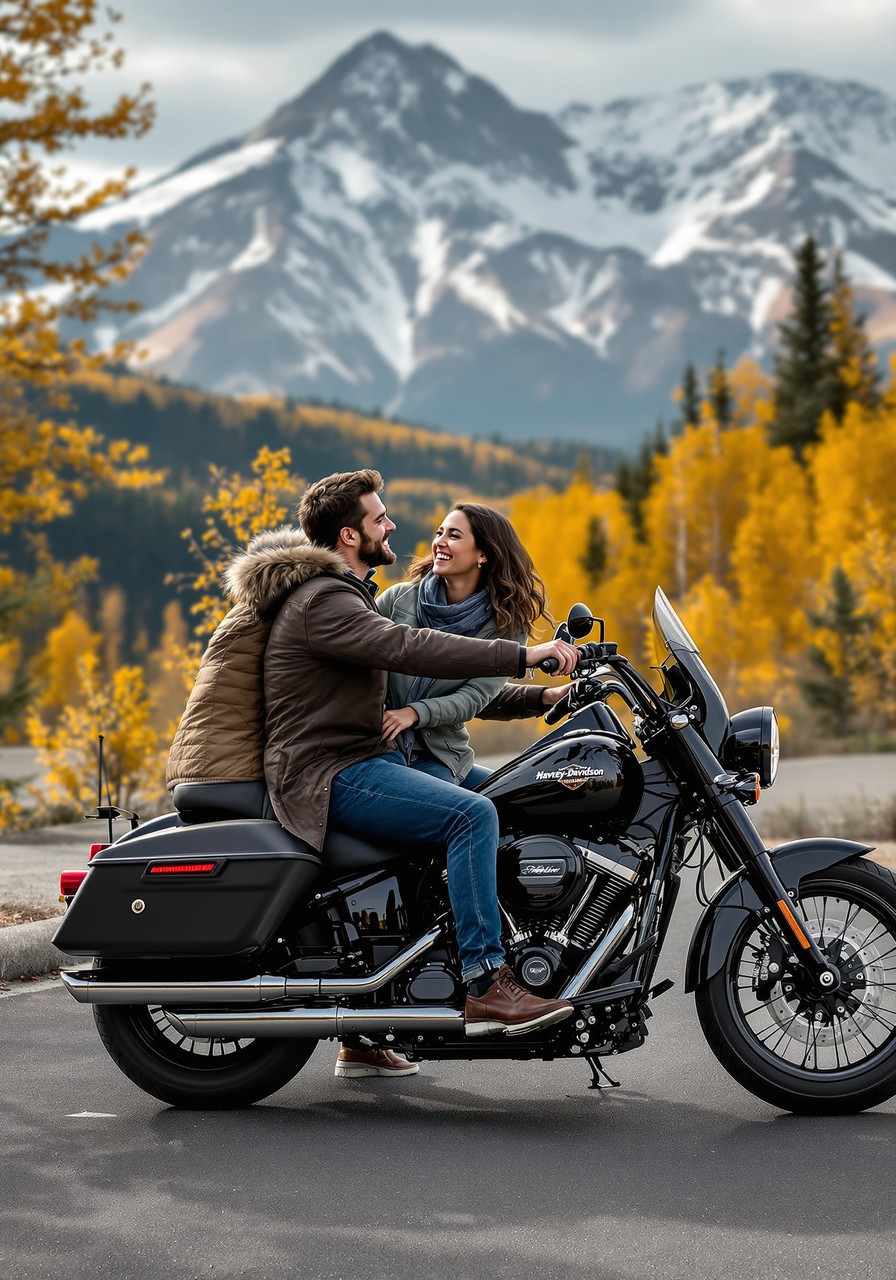
Engagement
This or that: I-70 high country in summer or the quiet backroads nobody posts about. #RideNationCO #RockyMountains #PeakToPeak
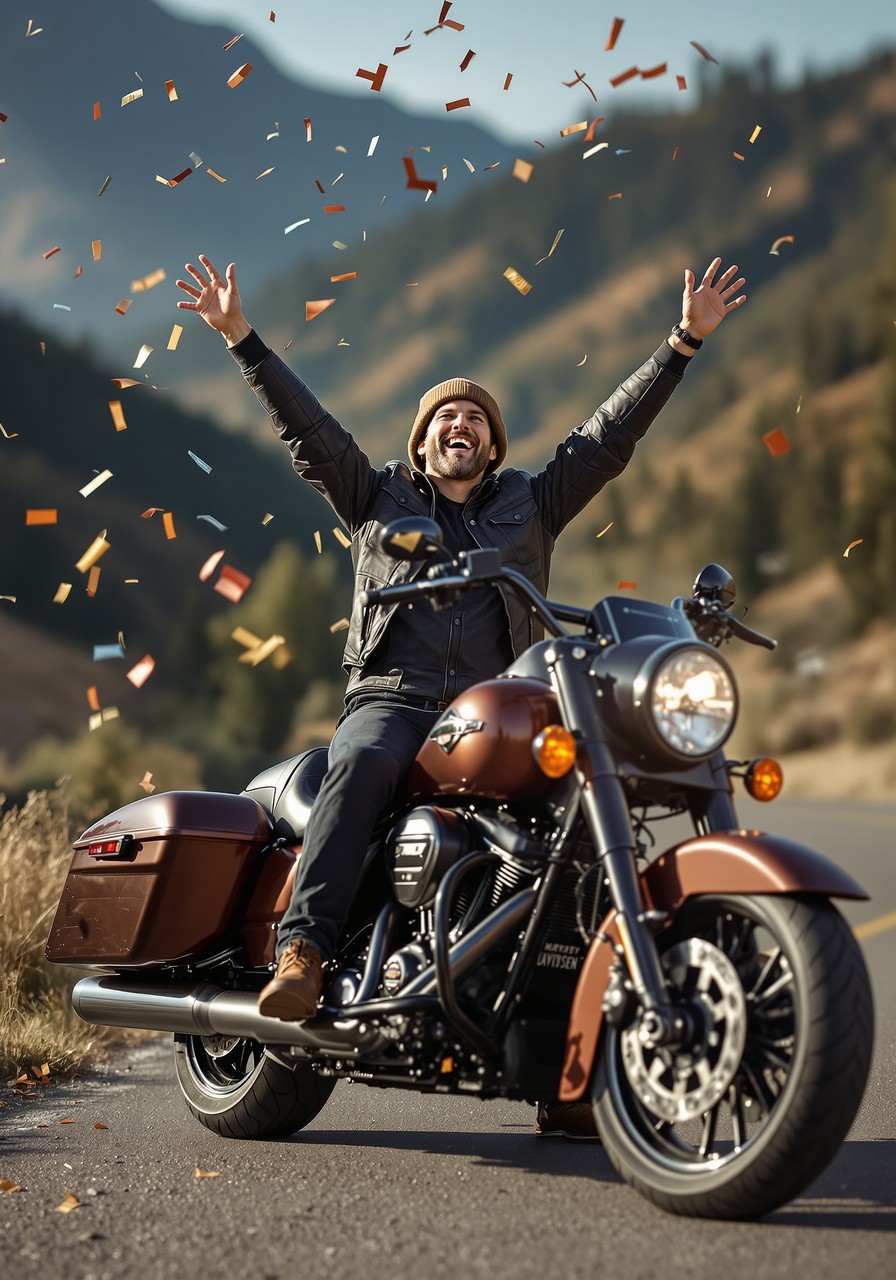
Giveaway & Countdown
The BikersWin $20,000 motorcycle giveaway is officially rolling. Are you in yet? #RideNationCO #BikersWin #20kGiveaway
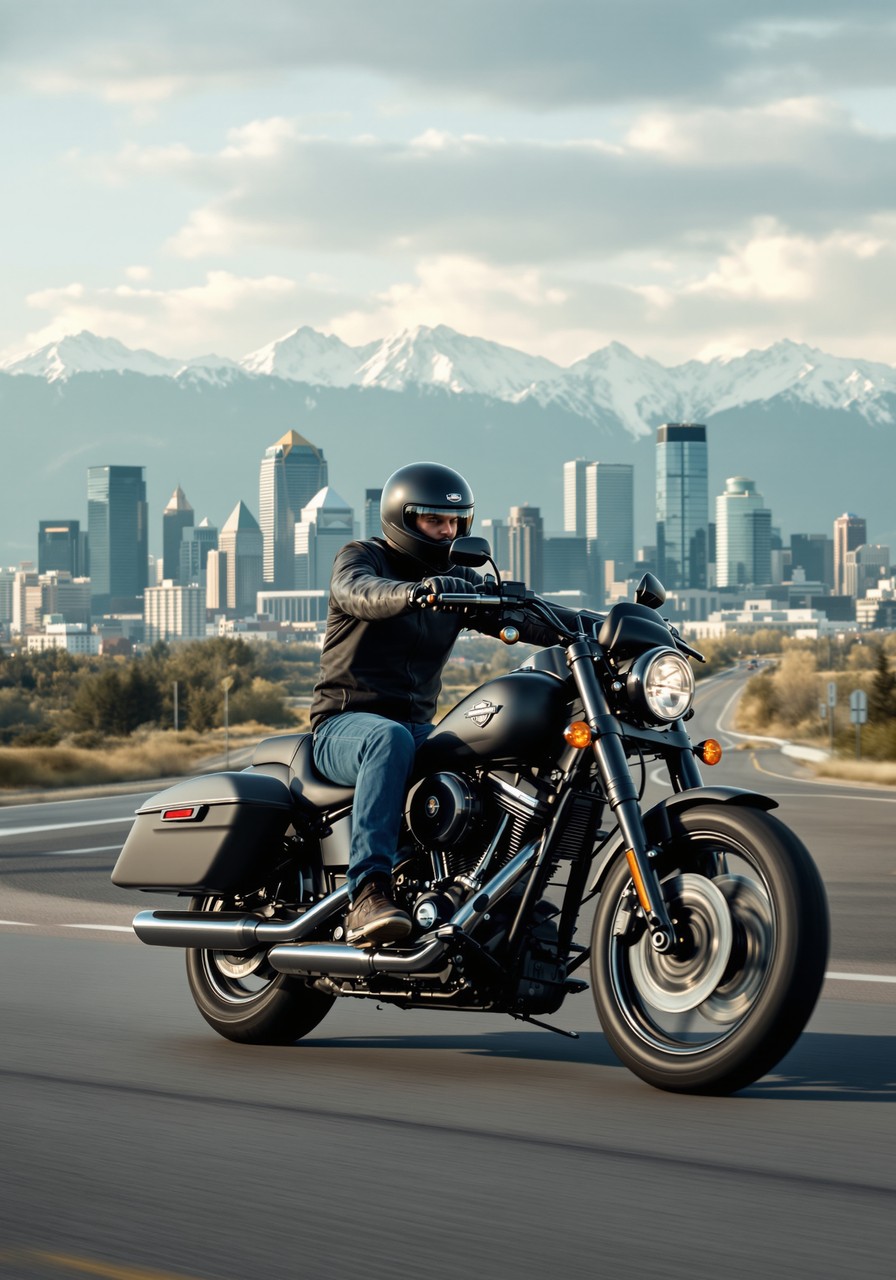
Local CO & Rides
The Lariat Loop drops you back into Golden for a cold one after the climb. Short ride, big view, ten minutes from the metro. #RideNationCO #LookoutMountain #FrontRange
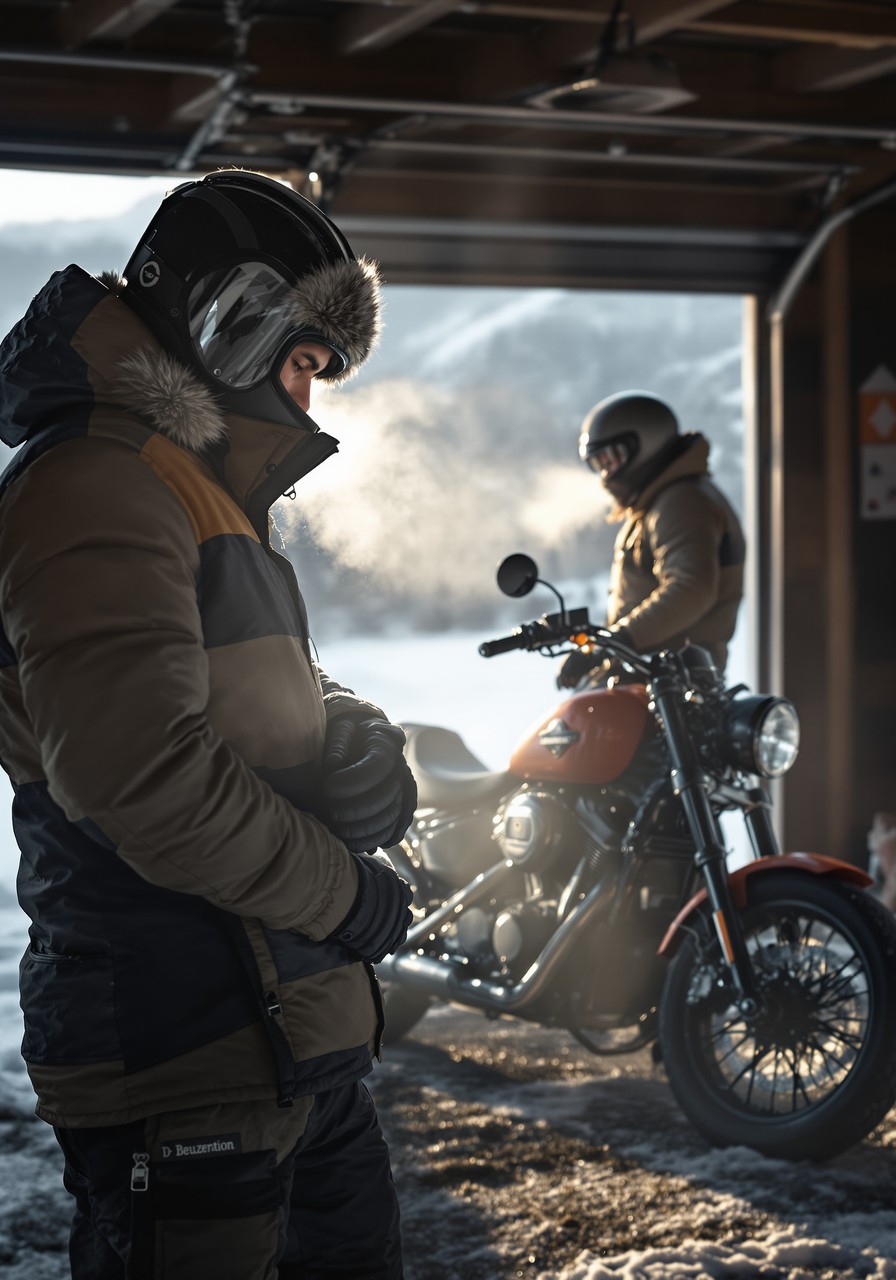
Gear & New Iron
Tread depth matters more in a Colorado spring, when melt and grit wash across every canyon road. Measure it, do not eyeball it. #RideNationCO #MotorcycleMaintenance #RiderTips
Safety & CO Law
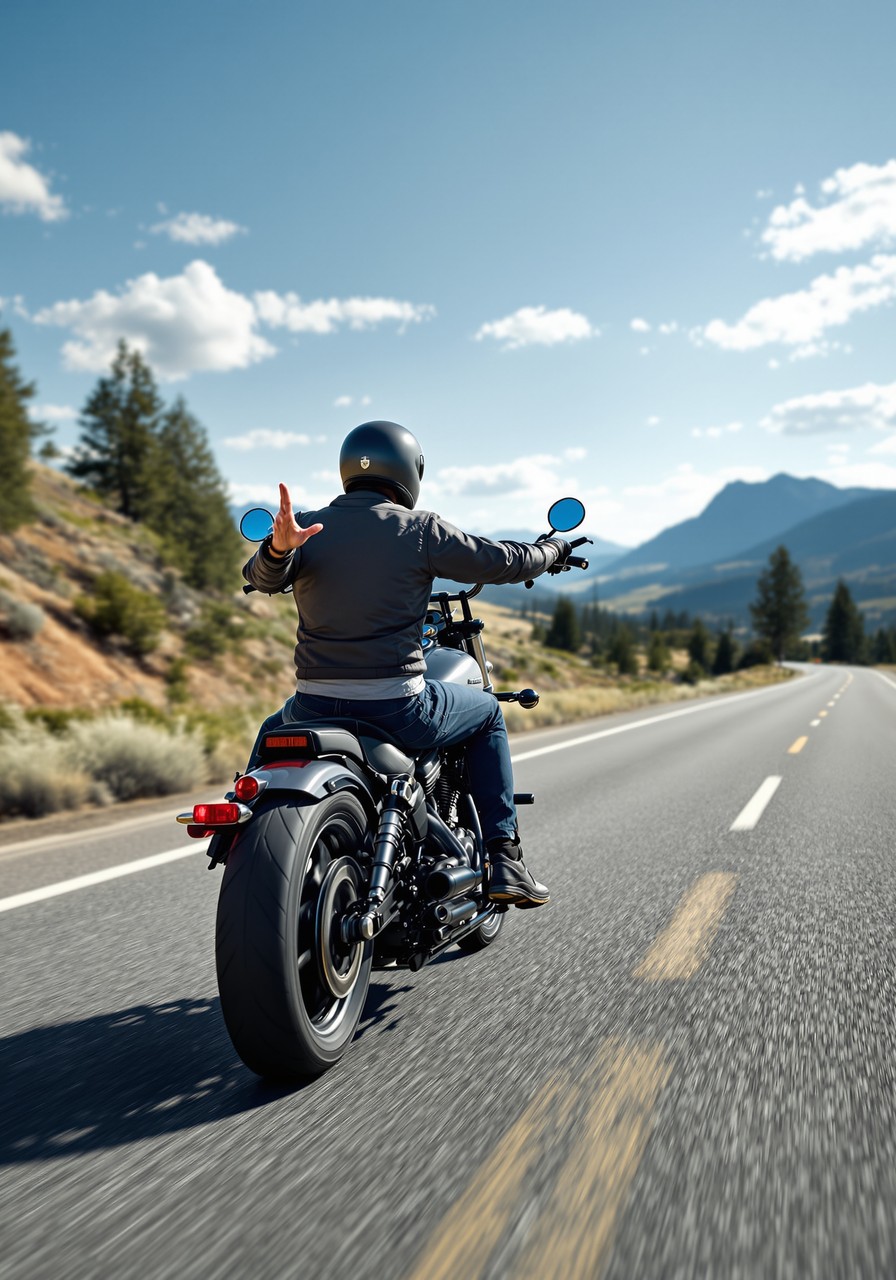
Colorado gives you three years from a crash to bring a motor vehicle injury claim, but do not sit on it. Evidence and witnesses are freshest in the first days and weeks. #RideNationCO #KnowYourRights #ColoradoRiders
Engagement
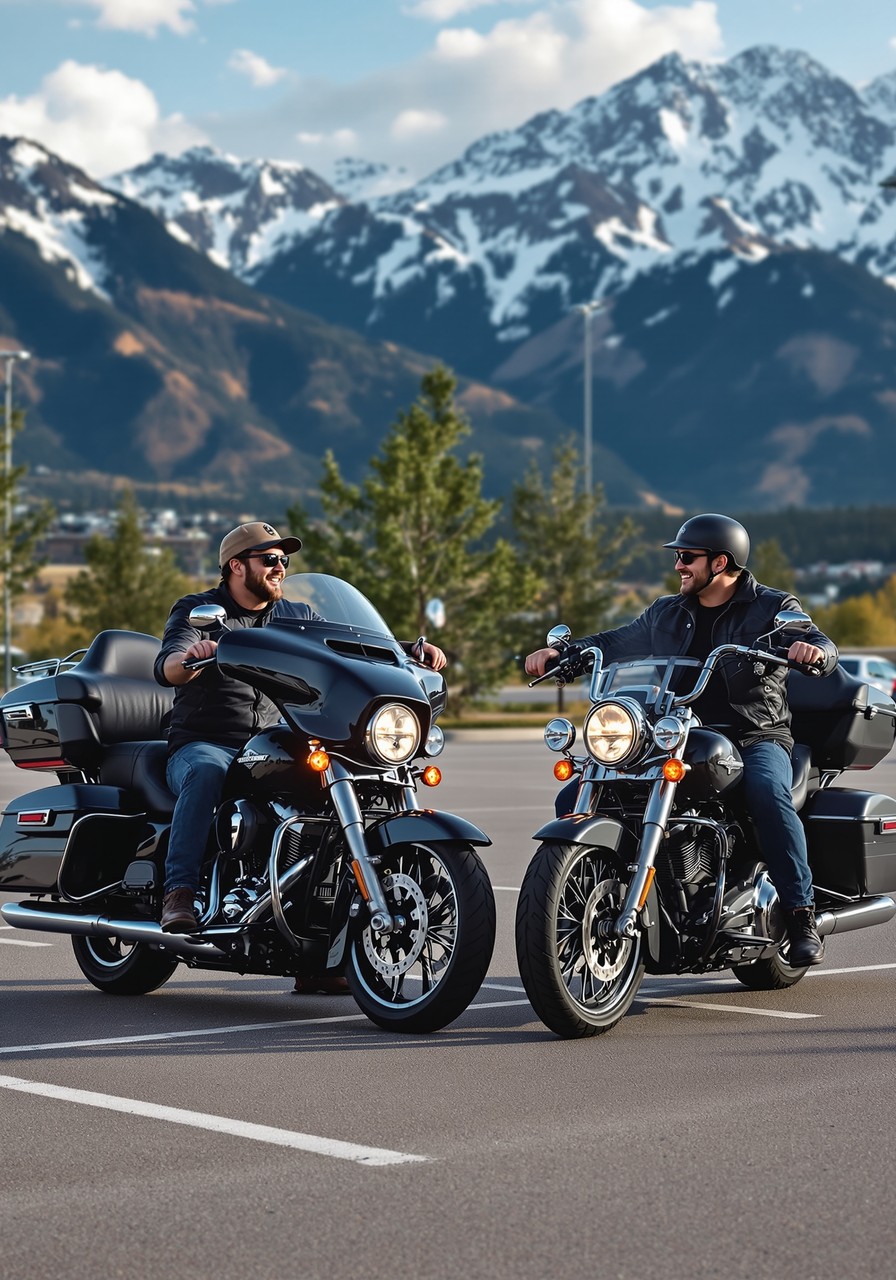
Fill in the blank: the first pass I am hitting when they plow it open is ______. #RideNationCO #RockyMountains #ColoradoRiders
Giveaway & Countdown
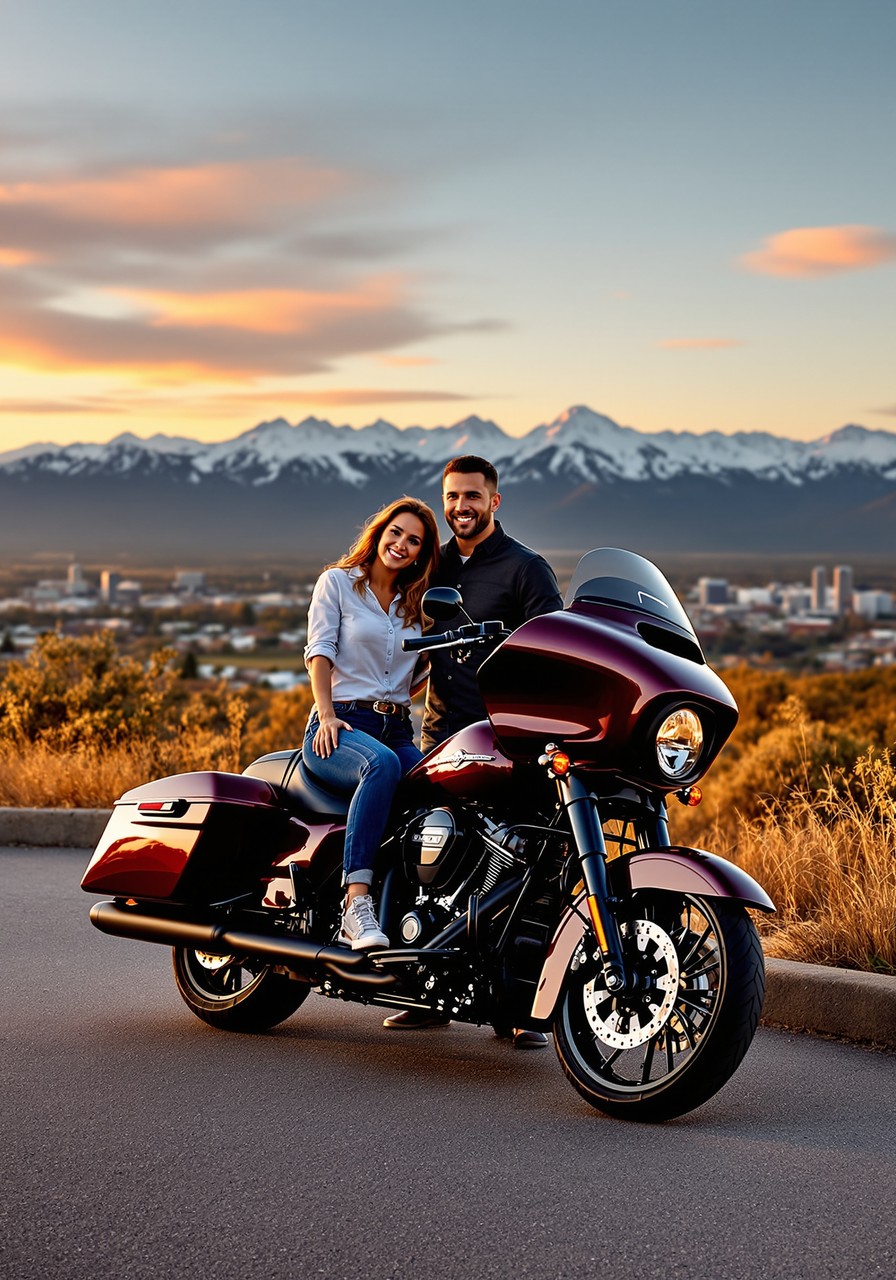
Tag a riding buddy who needs to know about this $20,000 giveaway. Spread the word. #RideNationCO #MotorcycleGiveaway #ColoradoRiders
Local CO & Rides
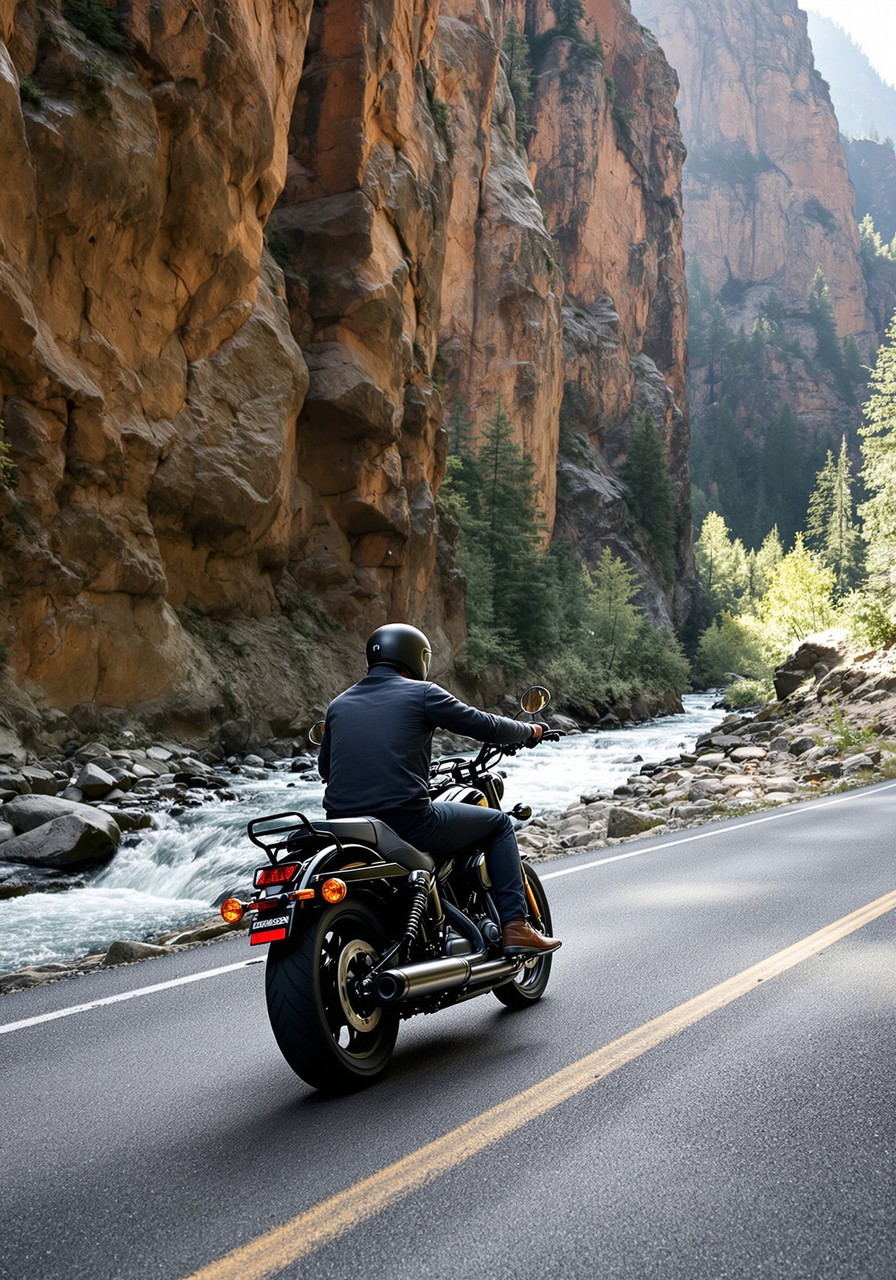
Altitude is real up here. If you are new to the passes, hydrate, eat, and know that thin air makes a long day feel longer. #RideNationCO #RockyMountains #MileHigh
Gear & New Iron
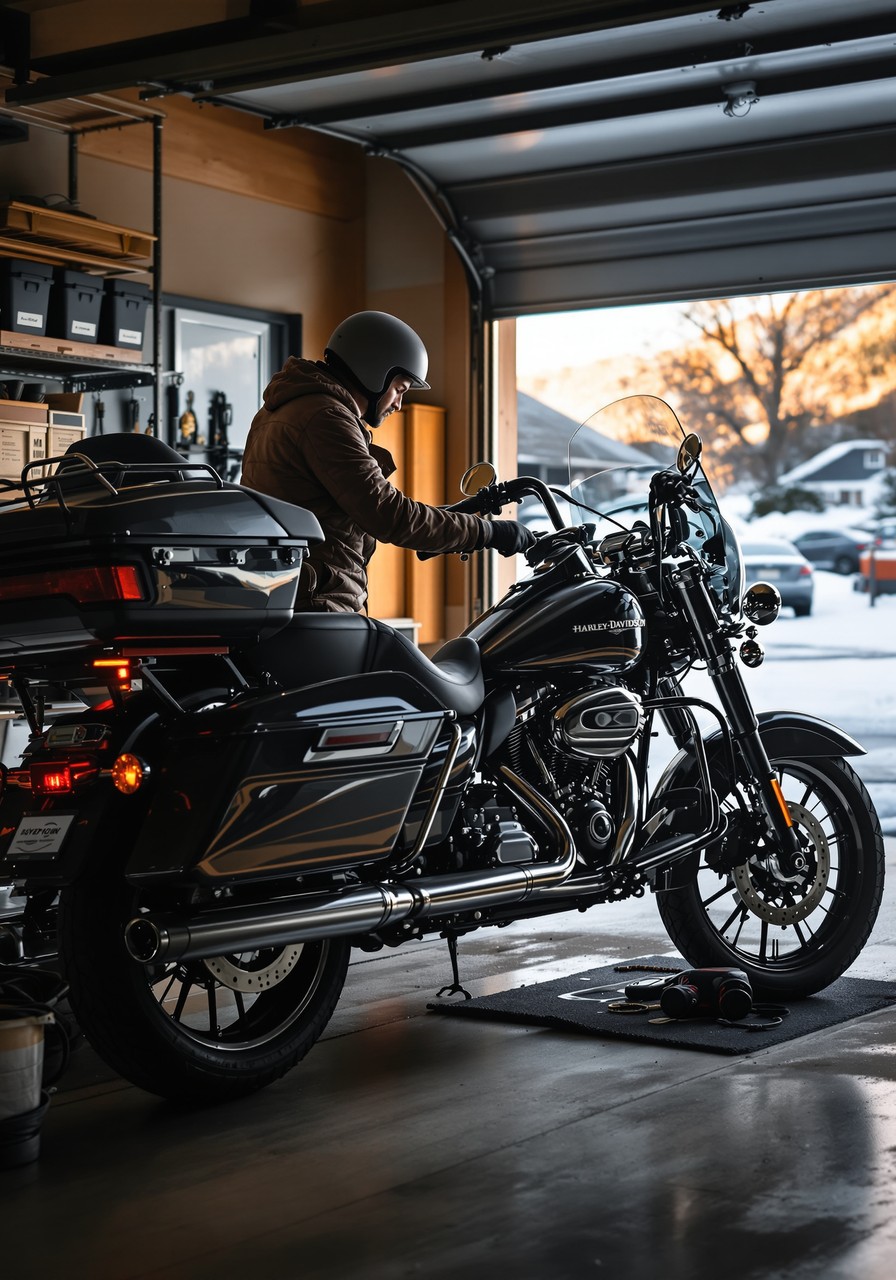
Cold air drops your tire pressure. Set it to spec on a cold morning, not after a hot highway run, or you will be riding underinflated. #RideNationCO #MotorcycleMaintenance #ColdWeatherRiding
Safety & CO Law
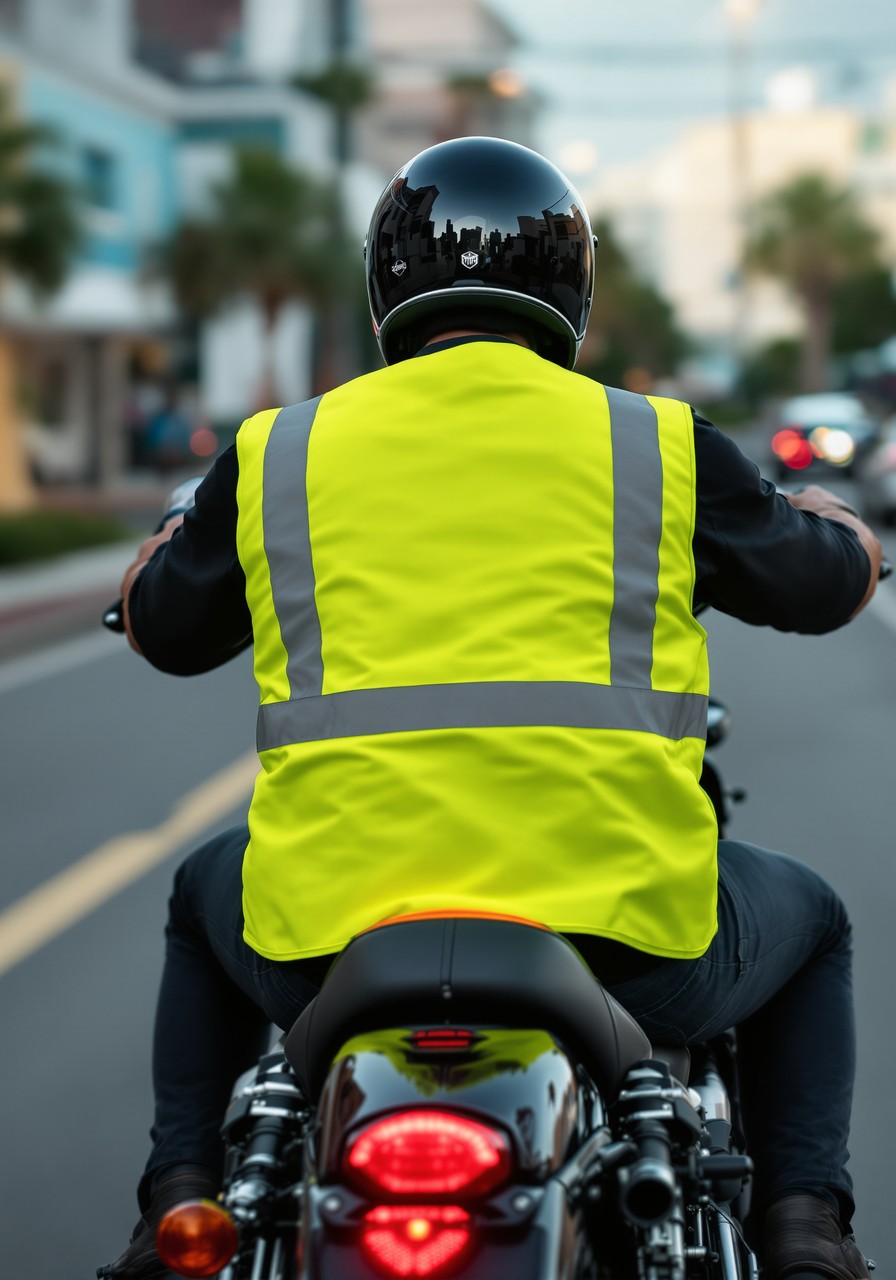
All the gear, all the time is not a slogan, it is what saves skin when the road comes up to meet you. Boots, gloves, jacket, and a good lid every ride, even the short one. Questions after a crash? Call Rider Justice at (303) 388-5304. #RideNationCO #ATGATT #MotorcycleSafety
Engagement
Tag your ride-or-die and tell them where you are riding the second it hits 55 degrees. #RideNationCO #RideOrDie #FrontRange
Giveaway & Countdown
Somebody in Ride Nation Denver is going to win $20,000. Could be you. #RideNationCO #BikersWin #DenverRiders
Local CO & Rides
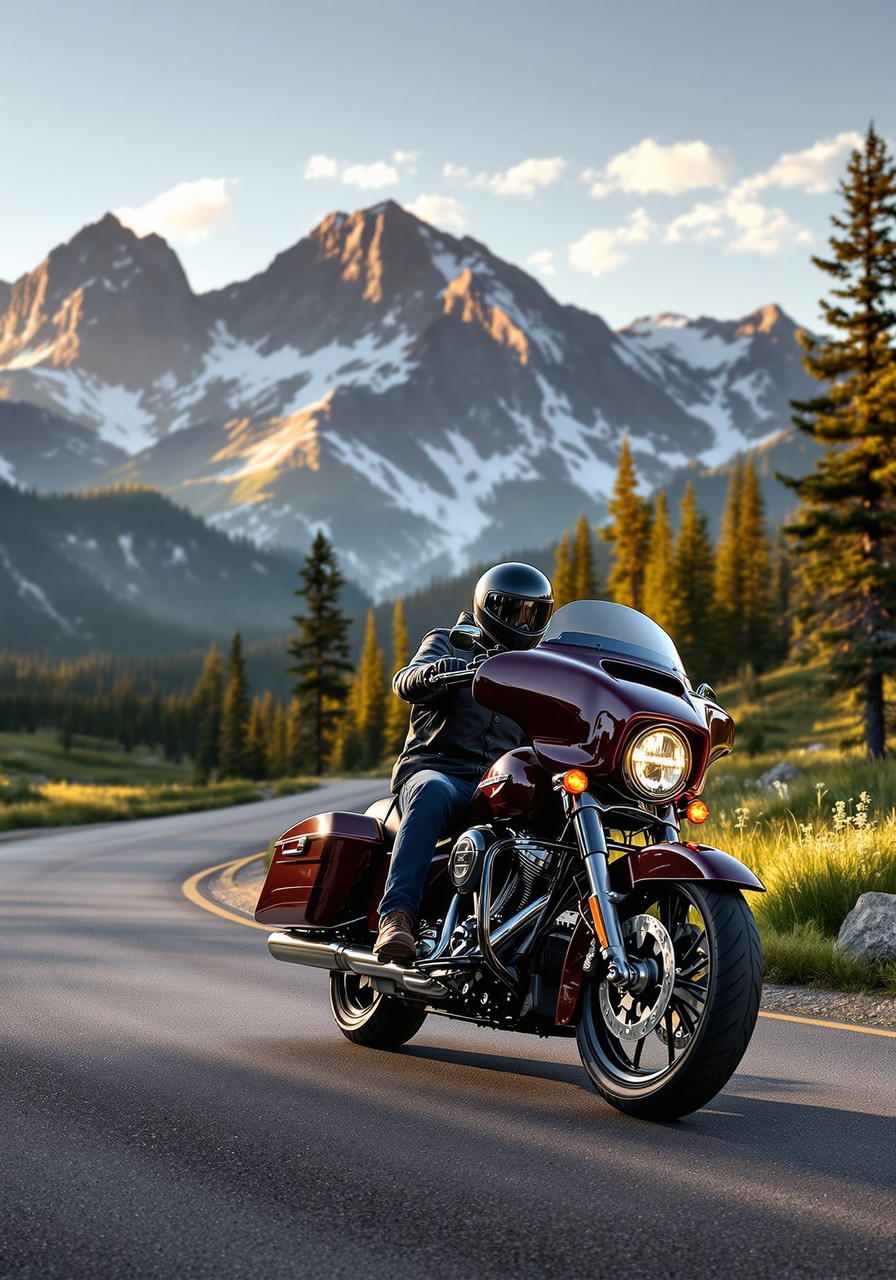
Sand left over from winter traction control piles up in corners well into spring. Sweep your eyes through the apex before you commit. #RideNationCO #FrontRange #ColoradoRiders
Gear & New Iron
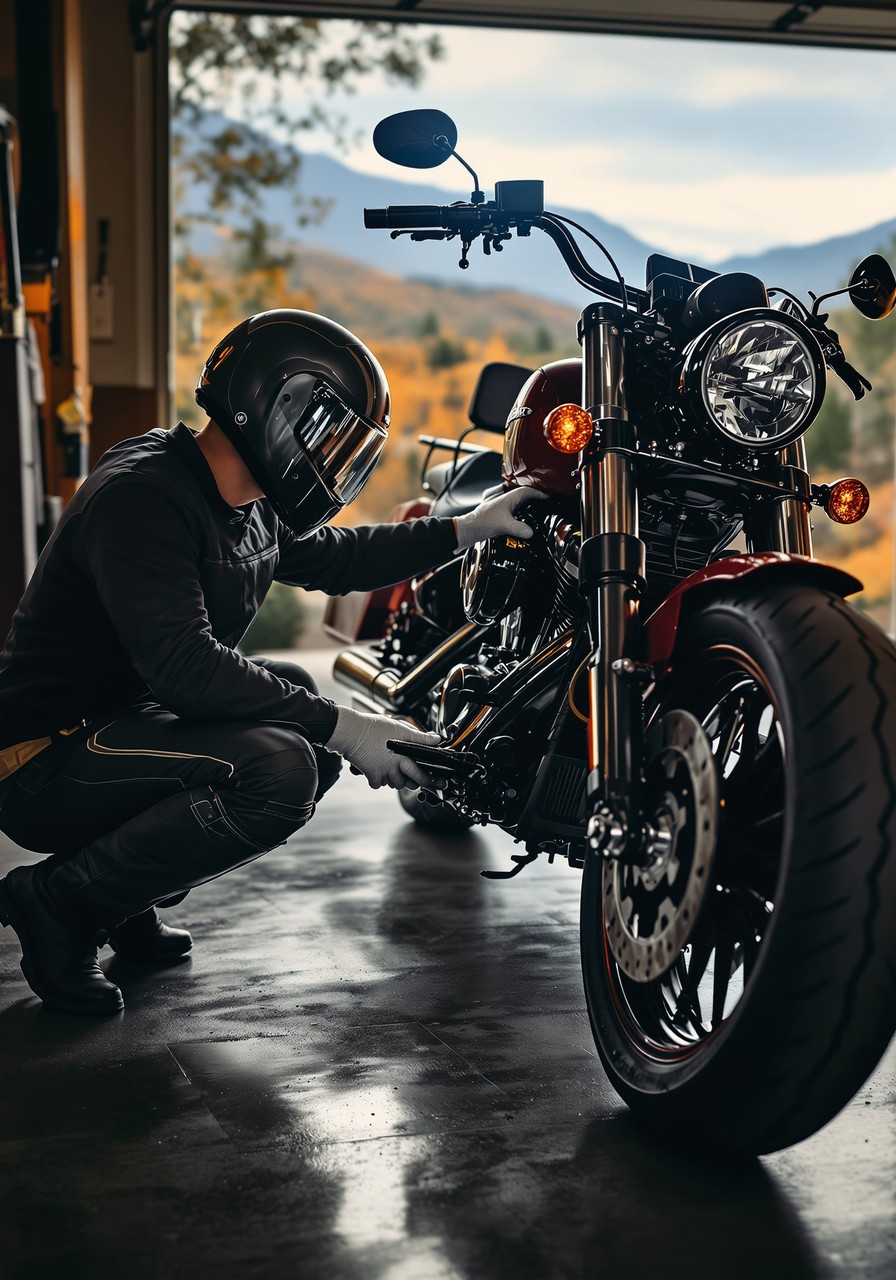
A battery tender is the cheapest insurance for a long Denver winter. Left alone, a battery self-discharges and freezes into junk by March. #RideNationCO #MotorcycleMaintenance #ColdWeatherRiding
Safety & CO Law
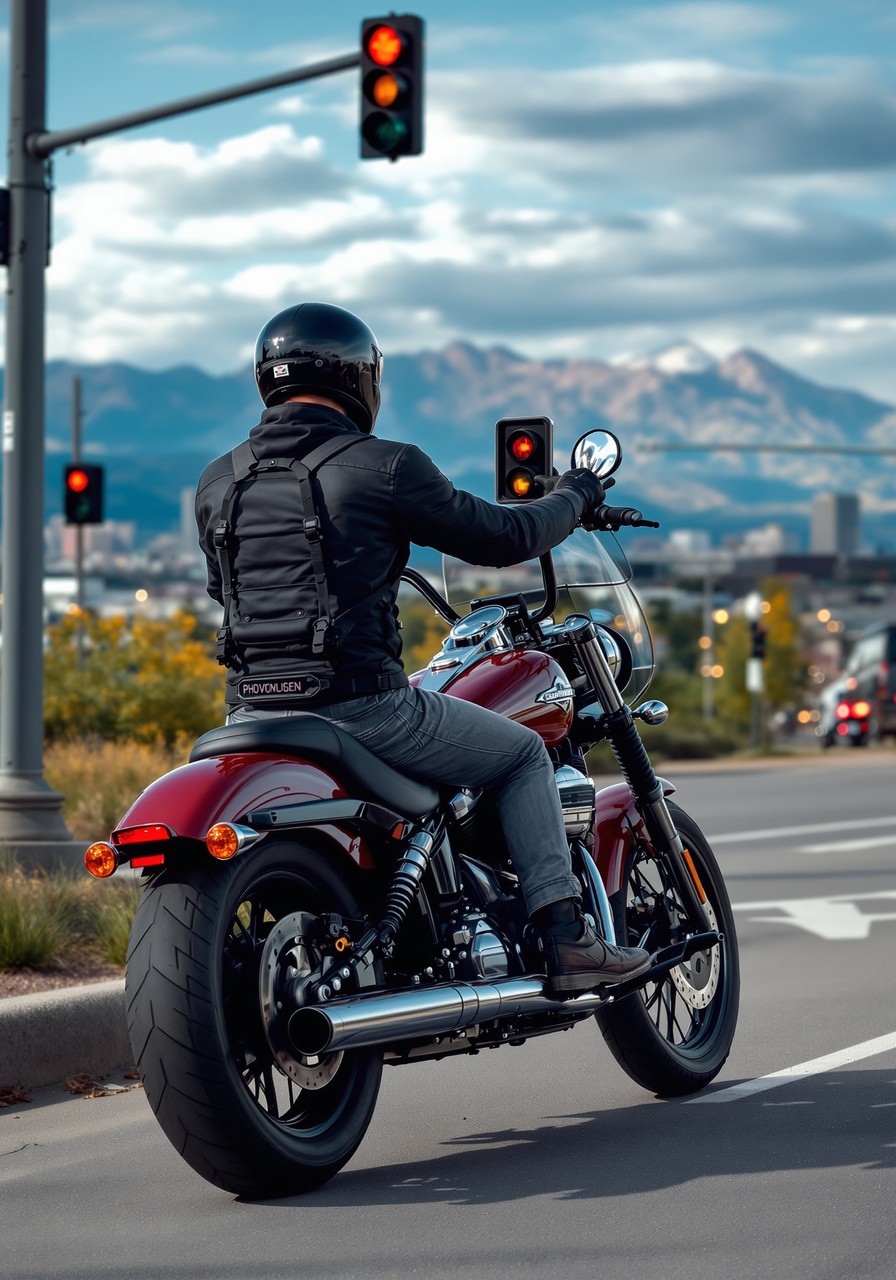
Intersections are where most car versus motorcycle crashes happen, and the left turning driver is the usual culprit. Slow your entry, keep an escape route, and never trust a gap you did not create. #RideNationCO #MotorcycleSafety #DenverRiders
Engagement
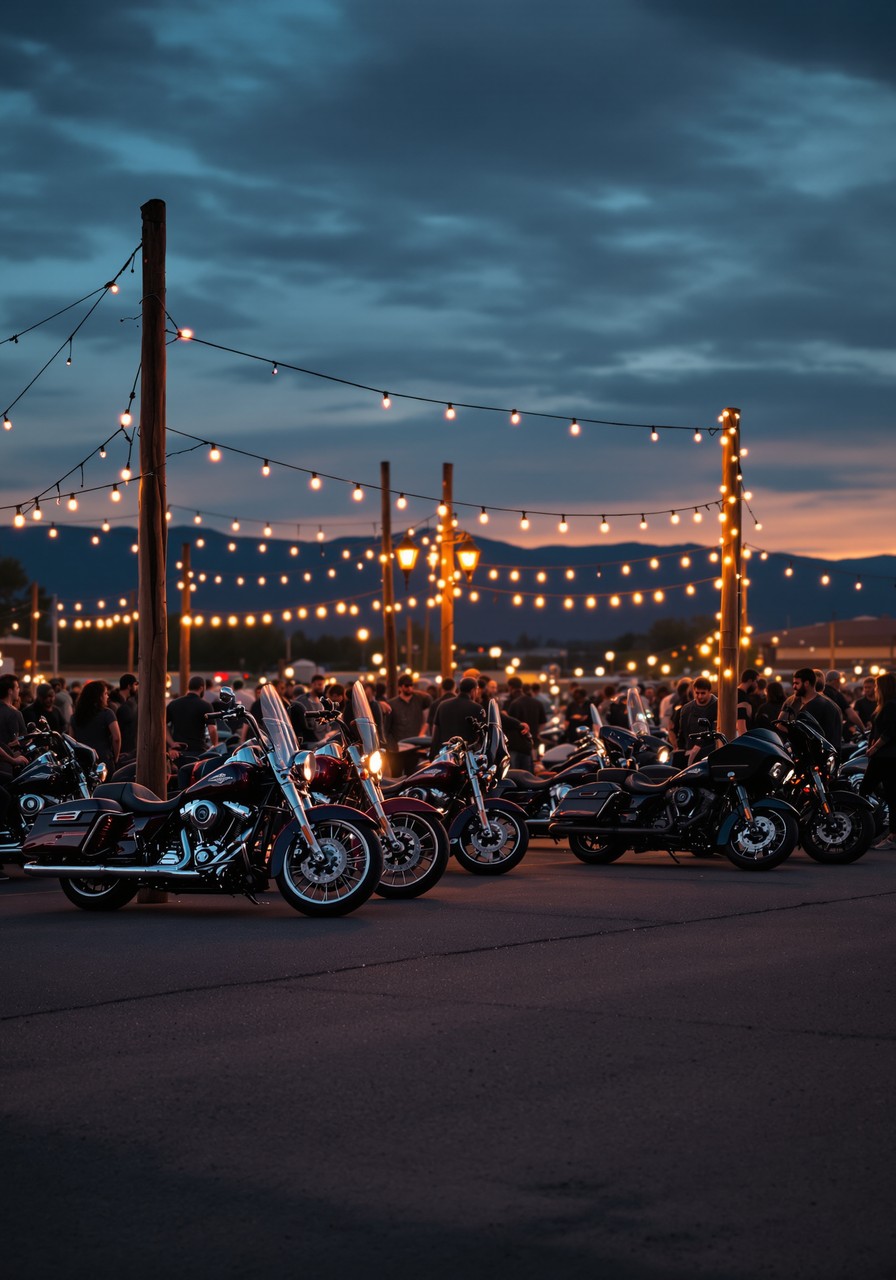
Poll: garage project this winter, full teardown or just fresh fluids and some chain love? #RideNationCO #TwoWheels #MileHigh
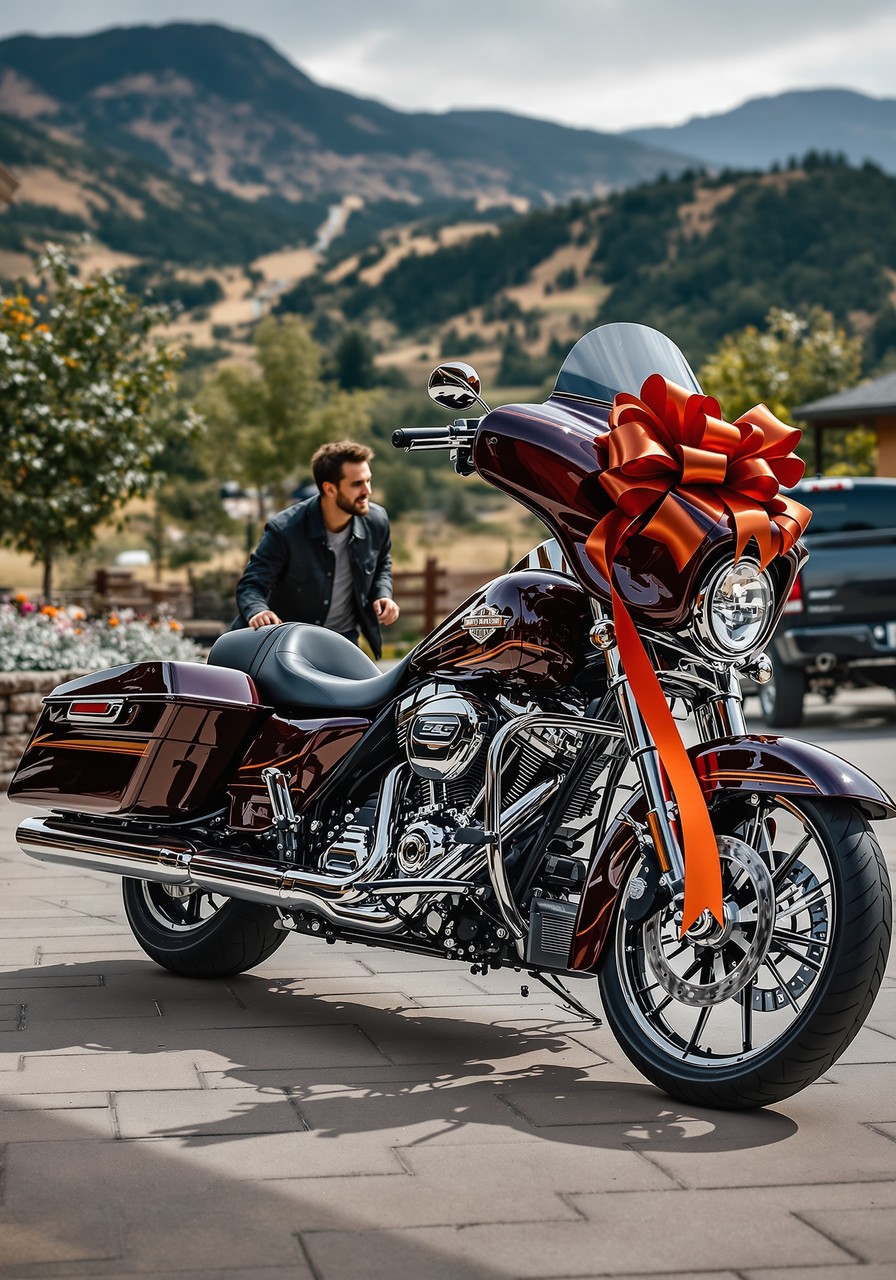
Giveaway & Countdown
The countdown clock is running. Twenty grand. One lucky rider. #RideNationCO #20kGiveaway #FrontRange
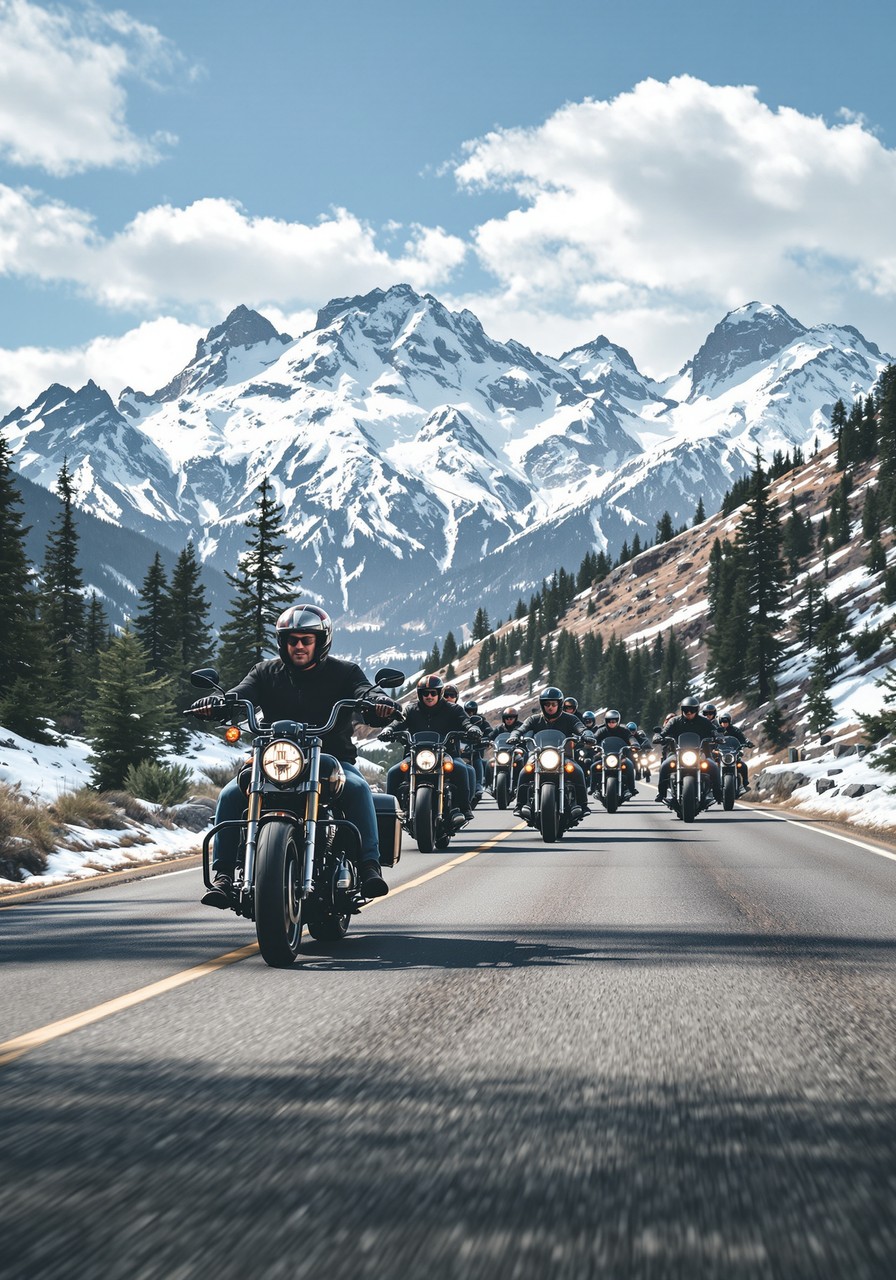
Local CO & Rides
Bike night season on the Front Range is short, so make the metro meetups count once the evenings warm up. Roll in, talk shop, ride home in the light. #RideNationCO #DenverRiders #MileHigh
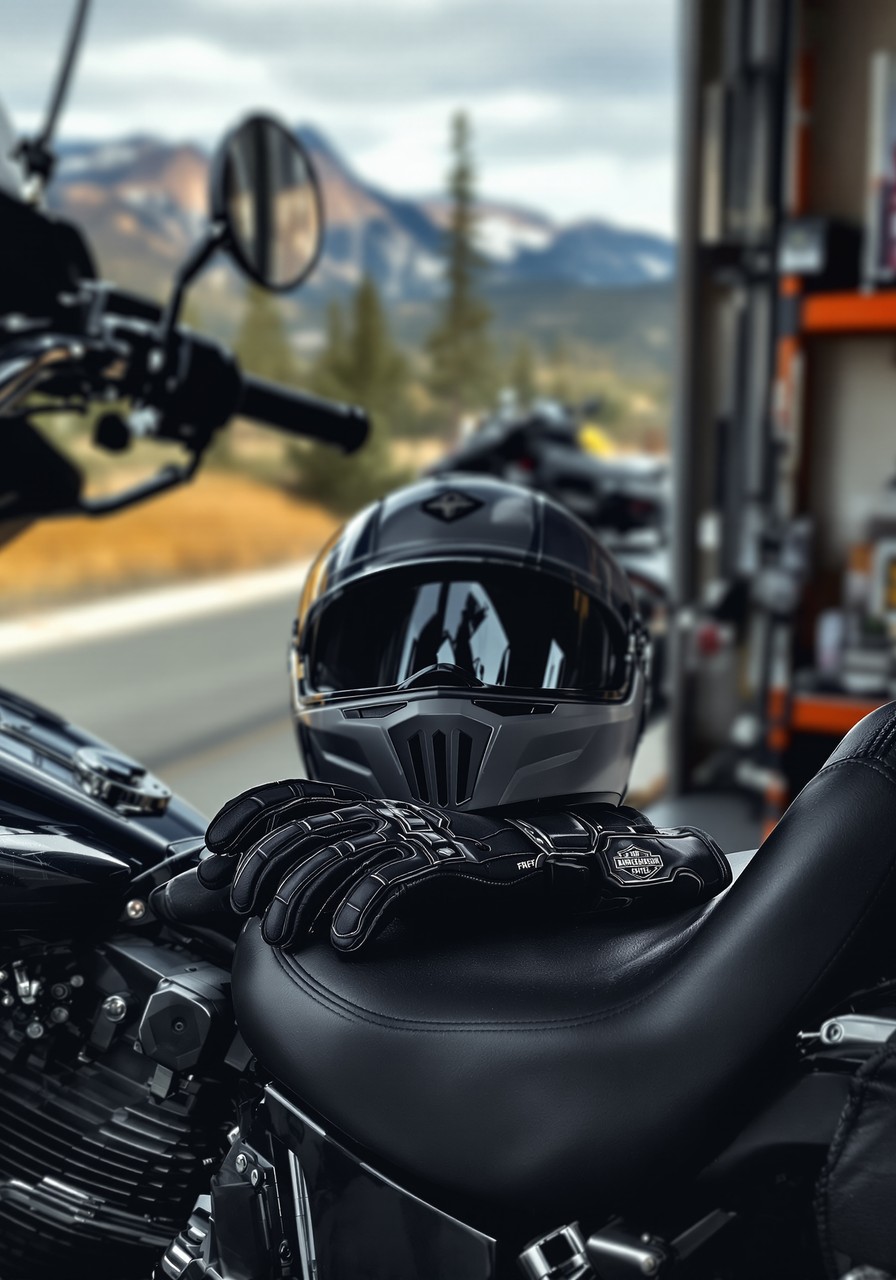
Gear & New Iron
Brake fluid absorbs water over time and boils sooner because of it. If you cannot remember your last flush, it is due. #RideNationCO #MotorcycleMaintenance #RiderTips
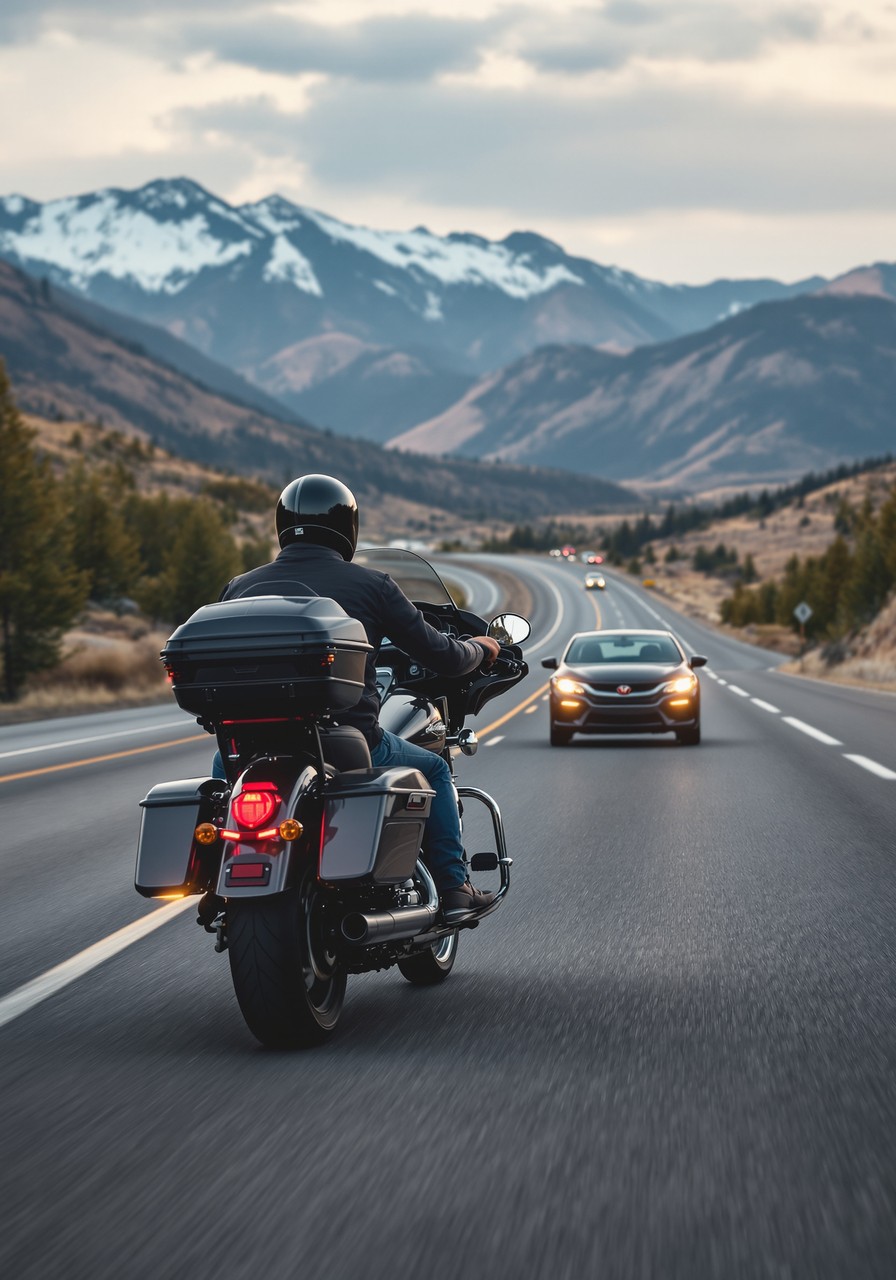
Safety & CO Law
"Sorry, I just didn't see you" is not a defense, it is an admission a driver failed to yield. Do not let an insurer reframe it as your mistake. Talk it through first. Call Rider Justice at (303) 388-5304. #RideNationCO #RiderRights #FrontRange
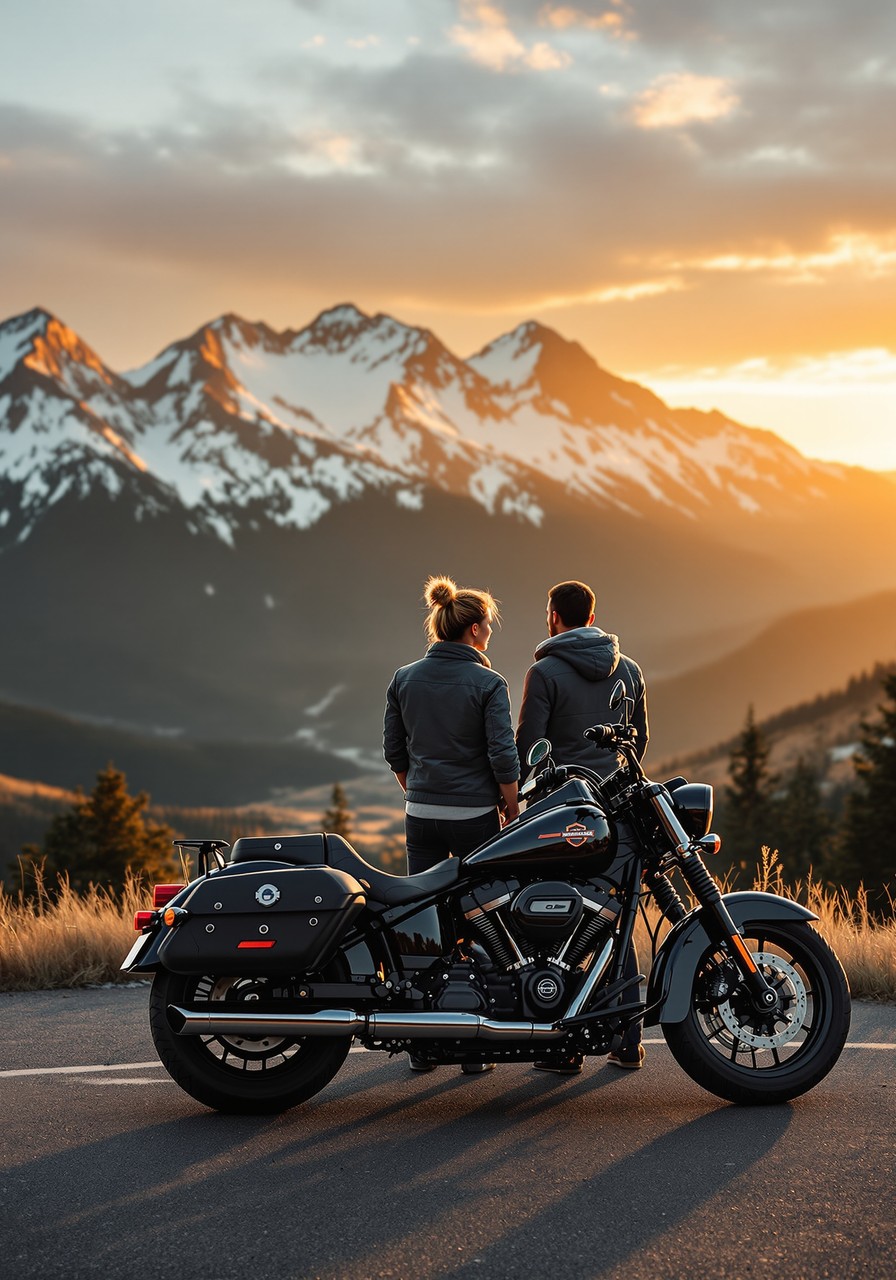
Engagement
Favorites: best breakfast stop within an hour of Denver on two wheels. Drop the name. #RideNationCO #DenverRiders #FrontRange
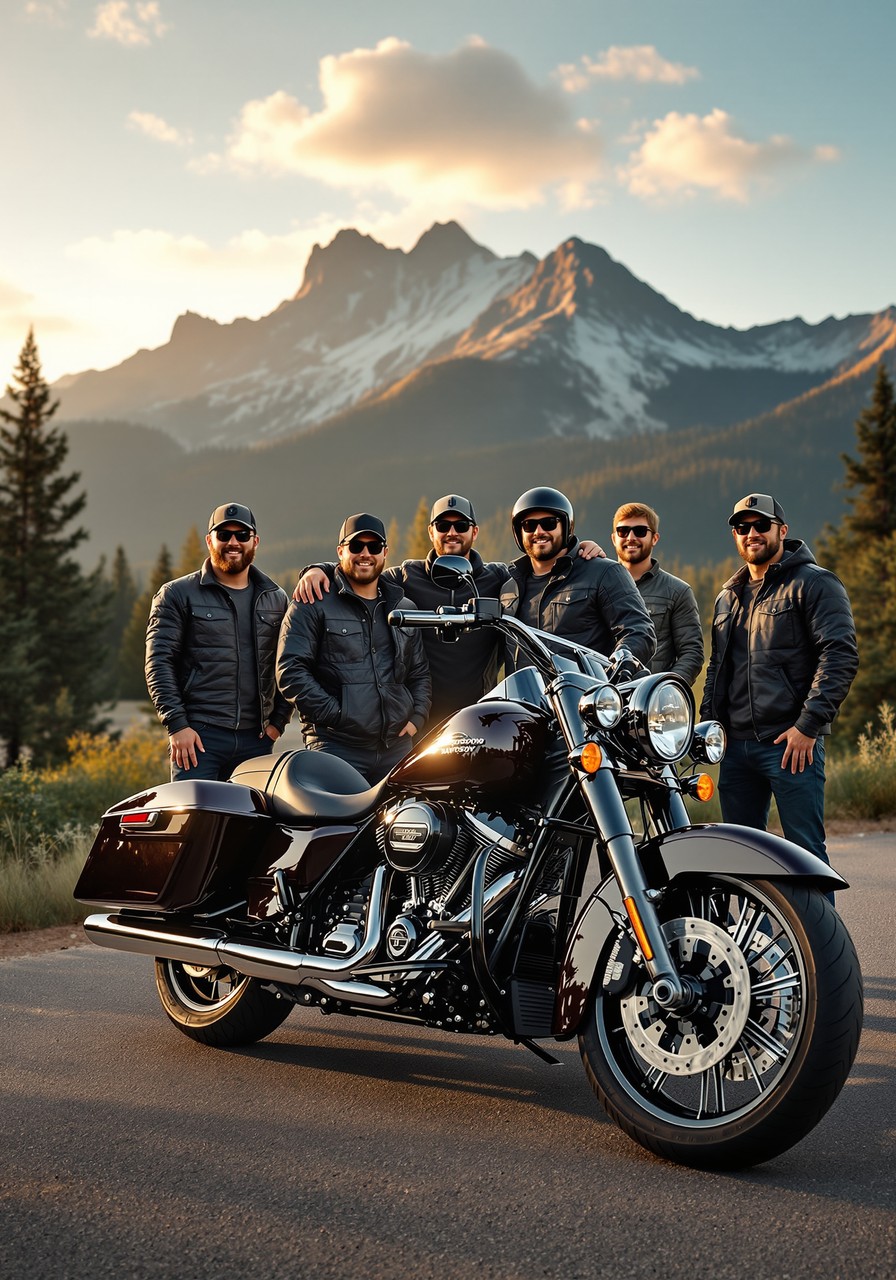
Giveaway & Countdown
Winner energy only. The $20,000 BikersWin giveaway is here and the Front Range is ready. #RideNationCO #BikersWin #FrontRange
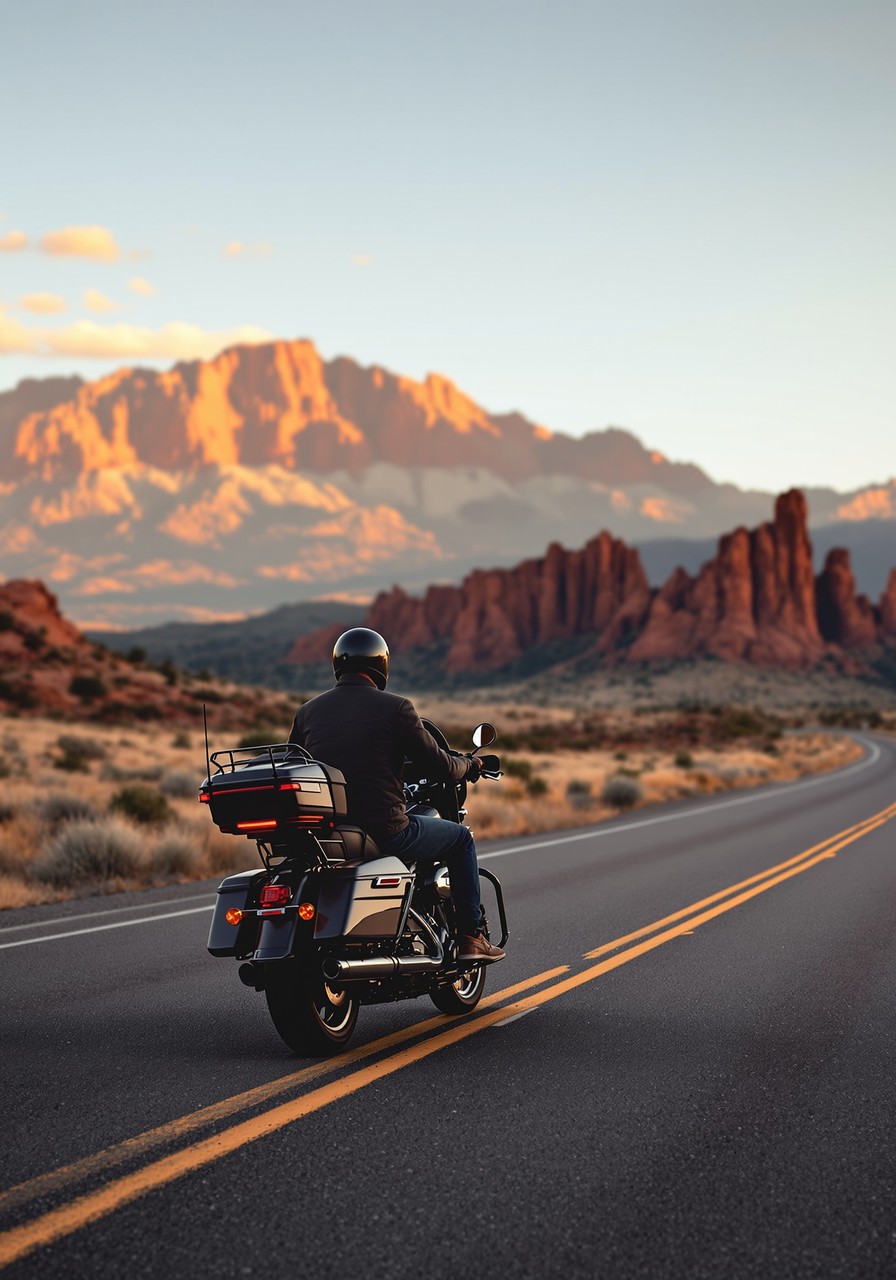
Local CO & Rides
Guanella Pass in early season can be open at the bottom and snowed shut up top. Check before you commit to the full crossing. #RideNationCO #RockyMountains #ColoradoRiders
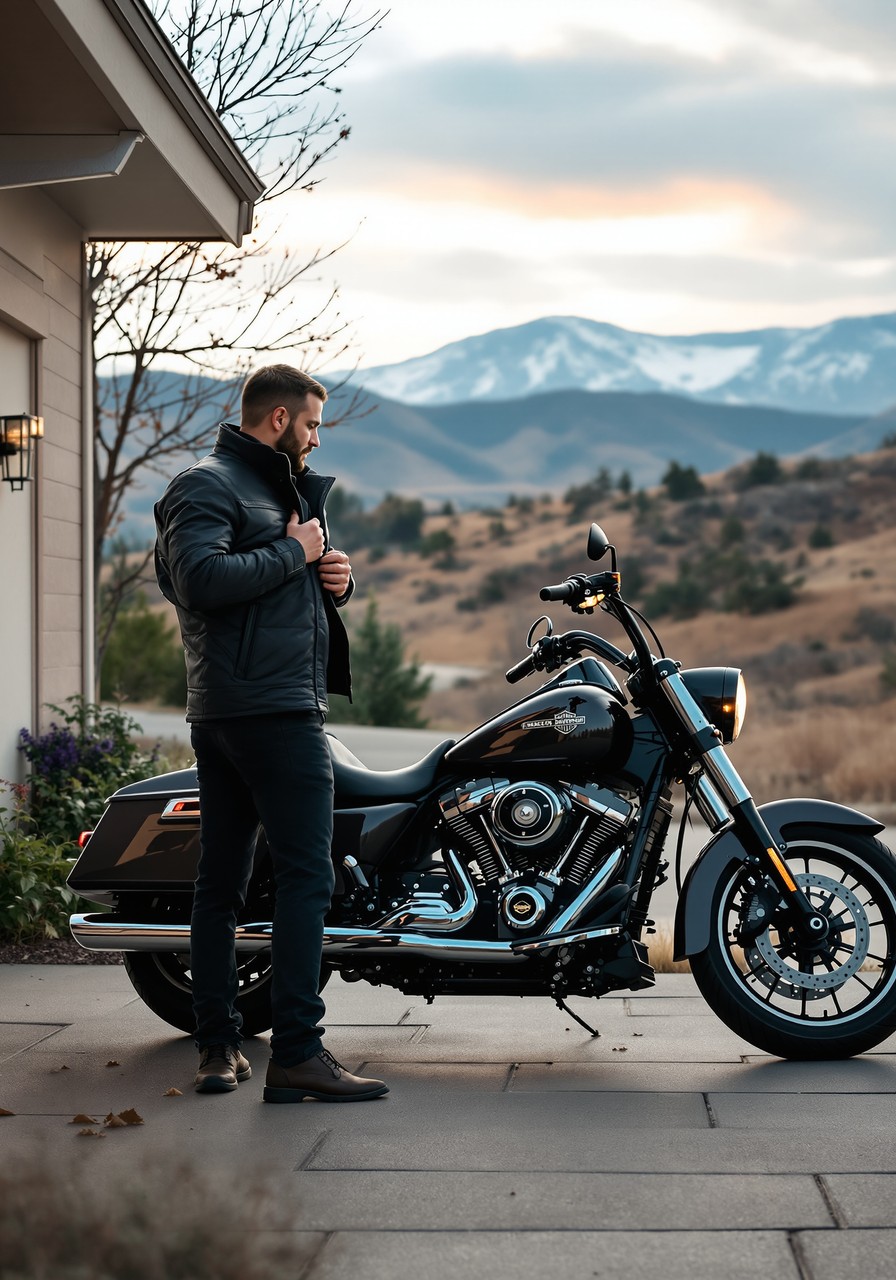
Gear & New Iron
Chain care is a 10-minute habit. Clean, lube, and set the slack, and your drivetrain lasts years longer. #RideNationCO #MotorcycleMaintenance #RiderTips
Safety & CO Law
Colorado's minimum coverage of 25/50/15 sounds like a lot until a hospital bill lands. Many drivers carry the floor and nothing more, which is why your own policy matters. #RideNationCO #KnowYourRights #ColoradoRiders
Engagement
This or that: bundle up and ride the dry January day, or stay in and plan the summer route. #RideNationCO #ColoradoRiders #RockyMountains
Giveaway & Countdown
Share this with your crew. The more riders who know, the bigger this giveaway gets. #RideNationCO #MotorcycleGiveaway #ColoradoRiders
Local CO & Rides
Golden Gate Canyon State Park roads make a tidy loop with Golden Gate Canyon Road. Wildlife is thick at the edges, keep the pace honest. #RideNationCO #FrontRange #ColoradoRiders
Gear & New Iron
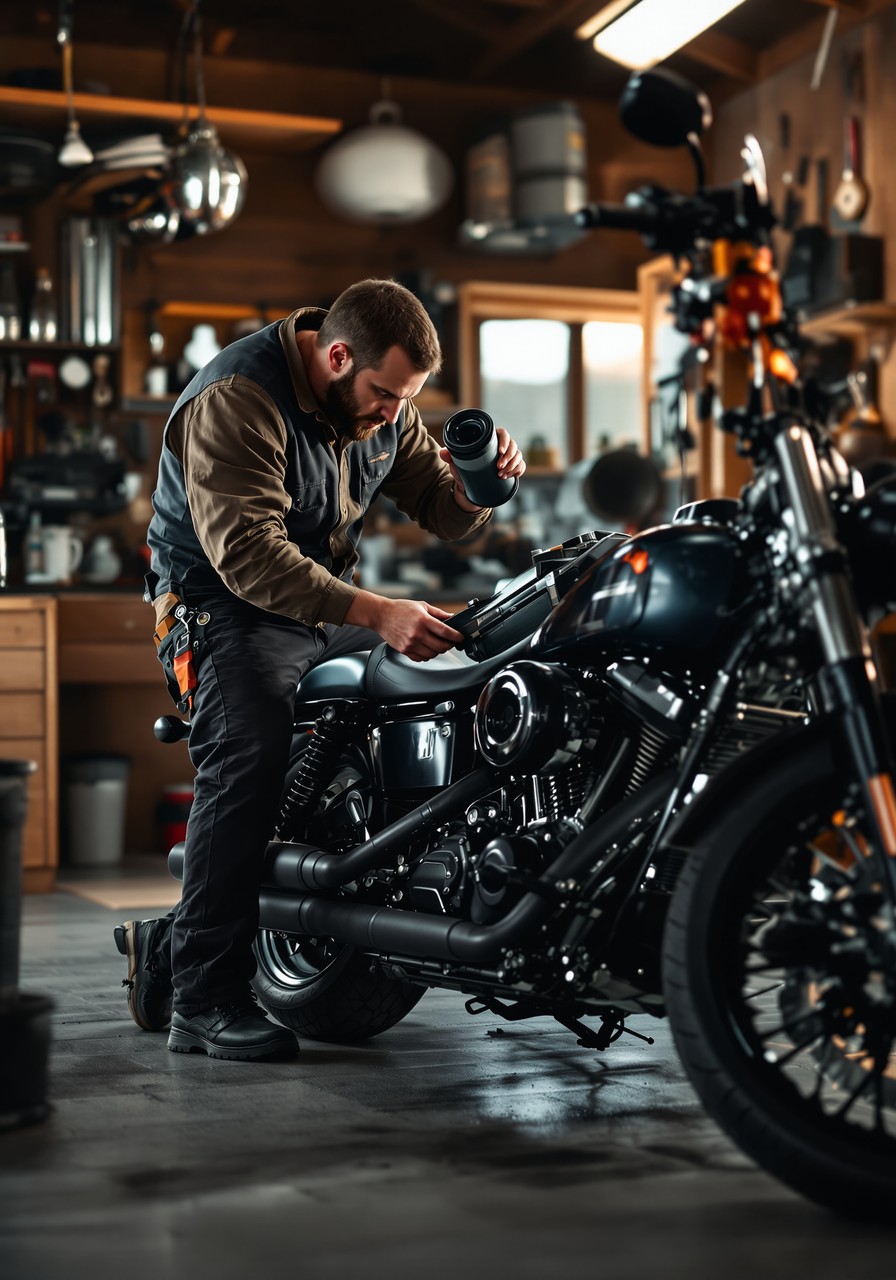
Carbureted bikes run rich at altitude. If yours bogs and fouls plugs around Denver, it may want leaner jetting for 5,280. #RideNationCO #MotorcycleMaintenance #RiderTips
Safety & CO Law
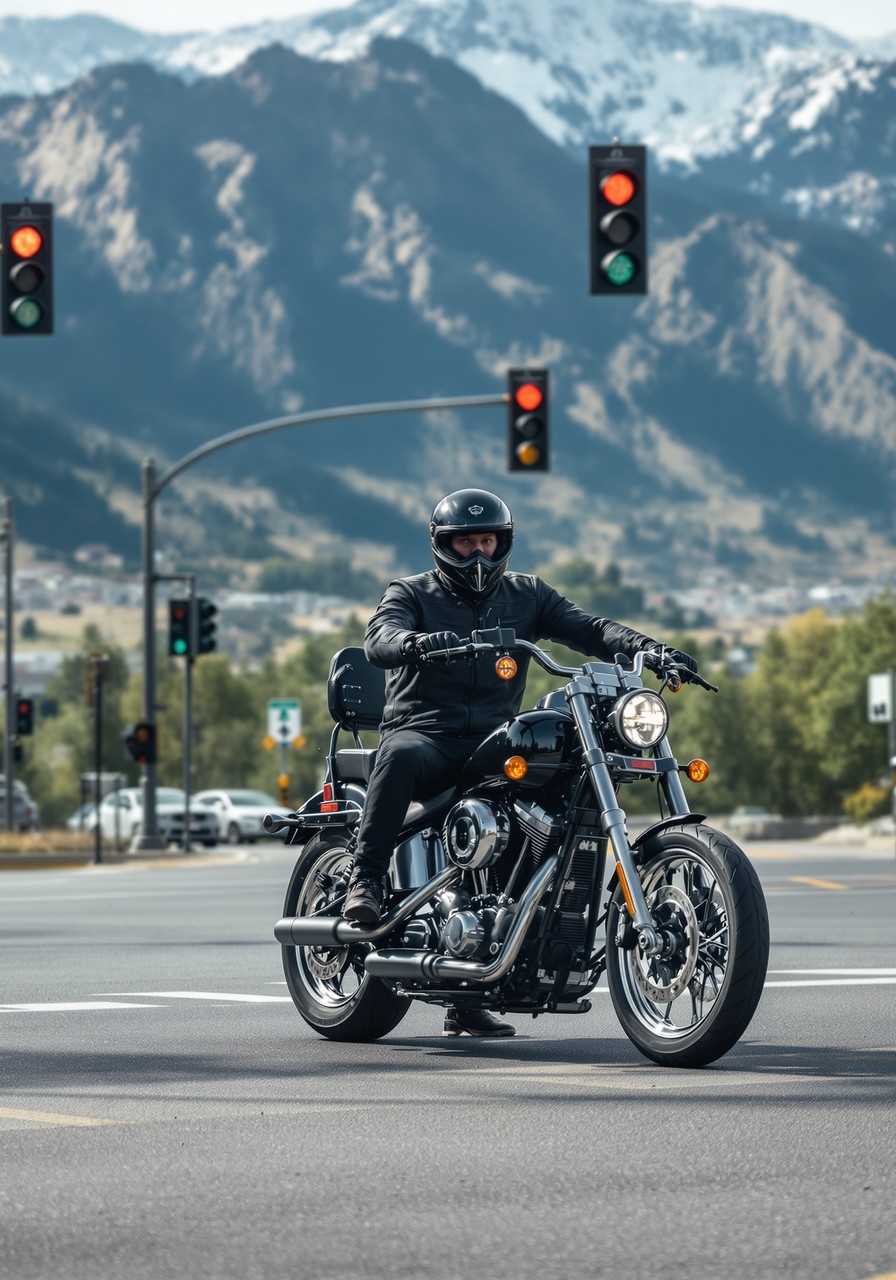
Black ice does not announce itself, especially on shaded high country curves in the early morning. If a corner looks wet and cold, treat it like ice and ride it gently. Went down on a mountain road? Call Rider Justice at (303) 388-5304. #RideNationCO #MotorcycleSafety #FrontRange
Engagement
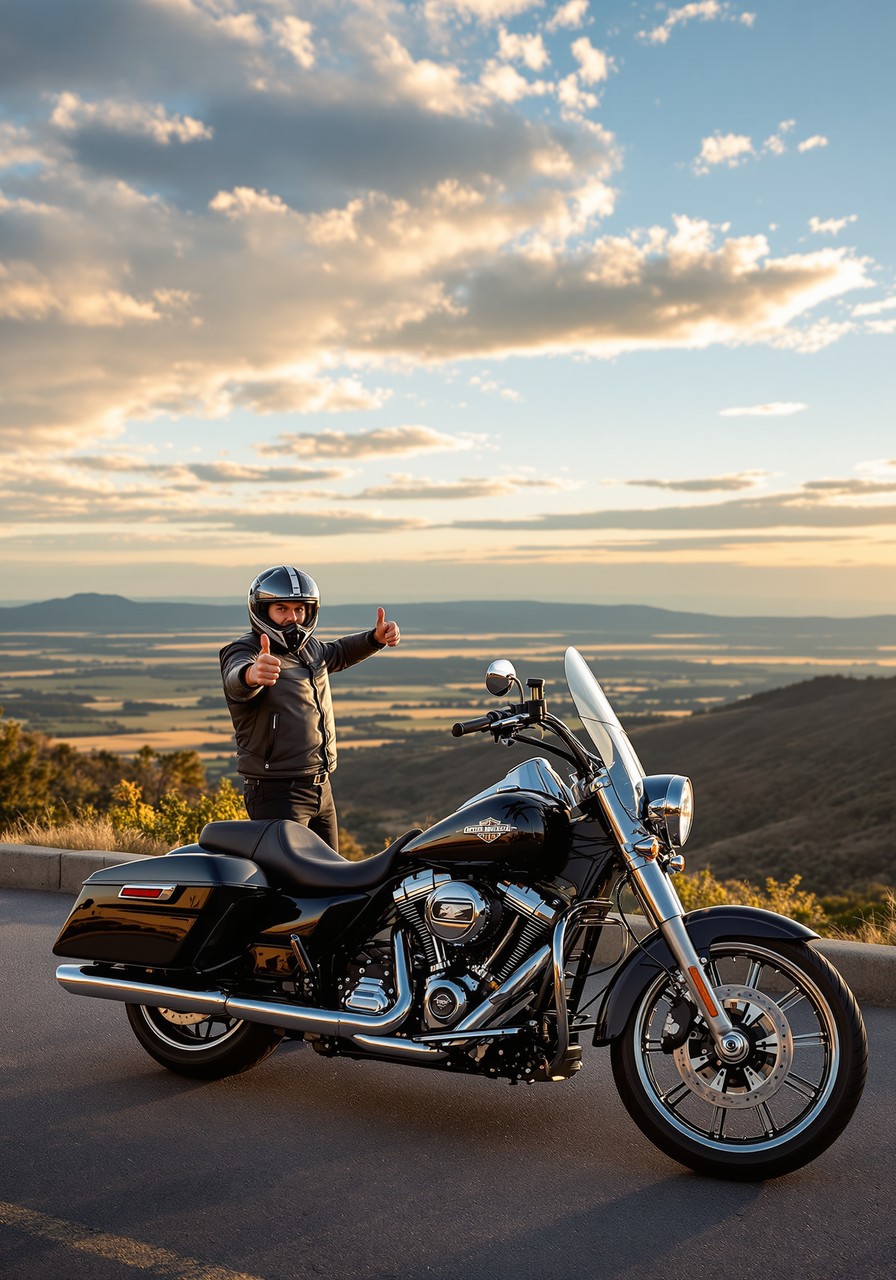
Finish it: you can spot a Colorado rider by the way they ______. #RideNationCO #MileHigh #TwoWheels
Giveaway & Countdown
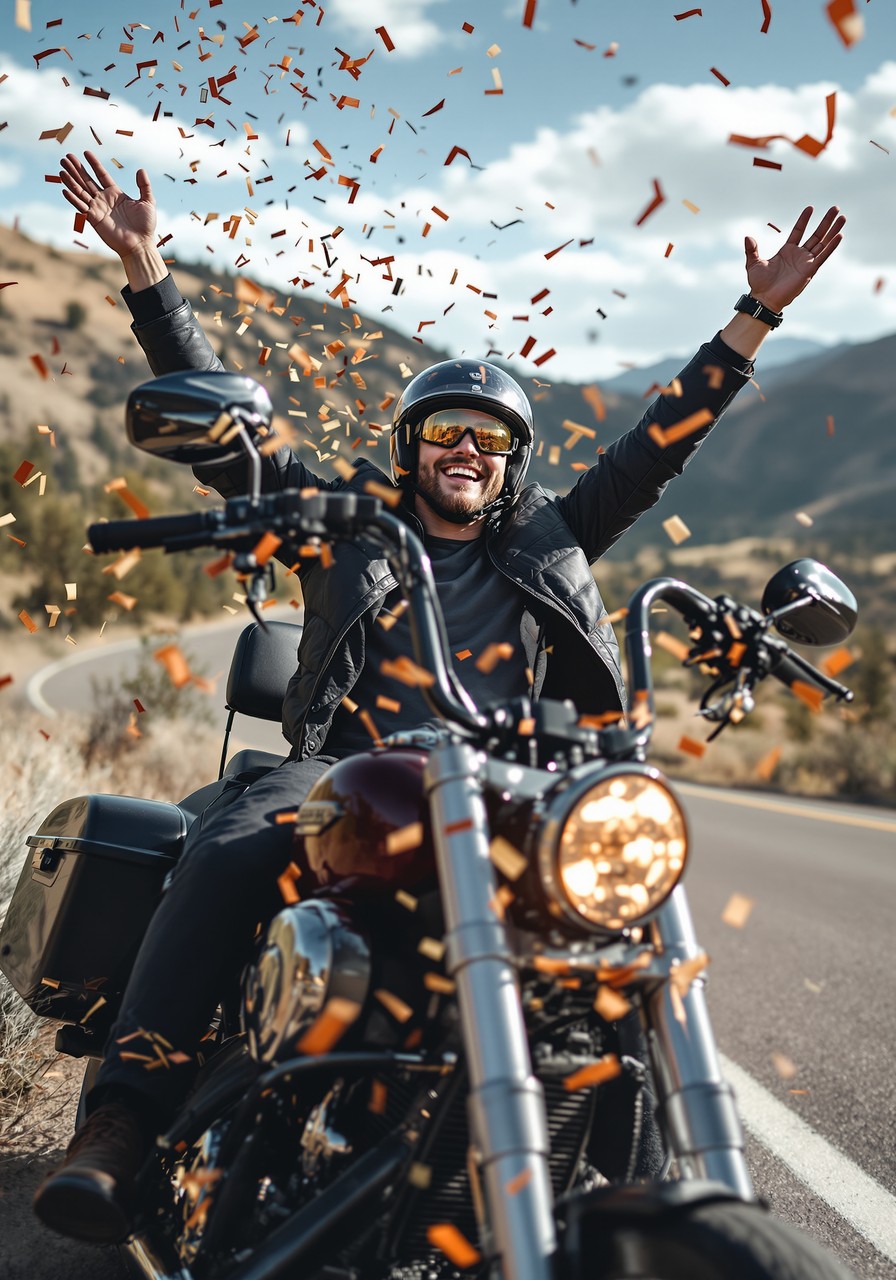
Big milestone, Ride Nation. Word about the $20,000 giveaway is spreading fast across Denver. #RideNationCO #BikersWin #DenverRiders
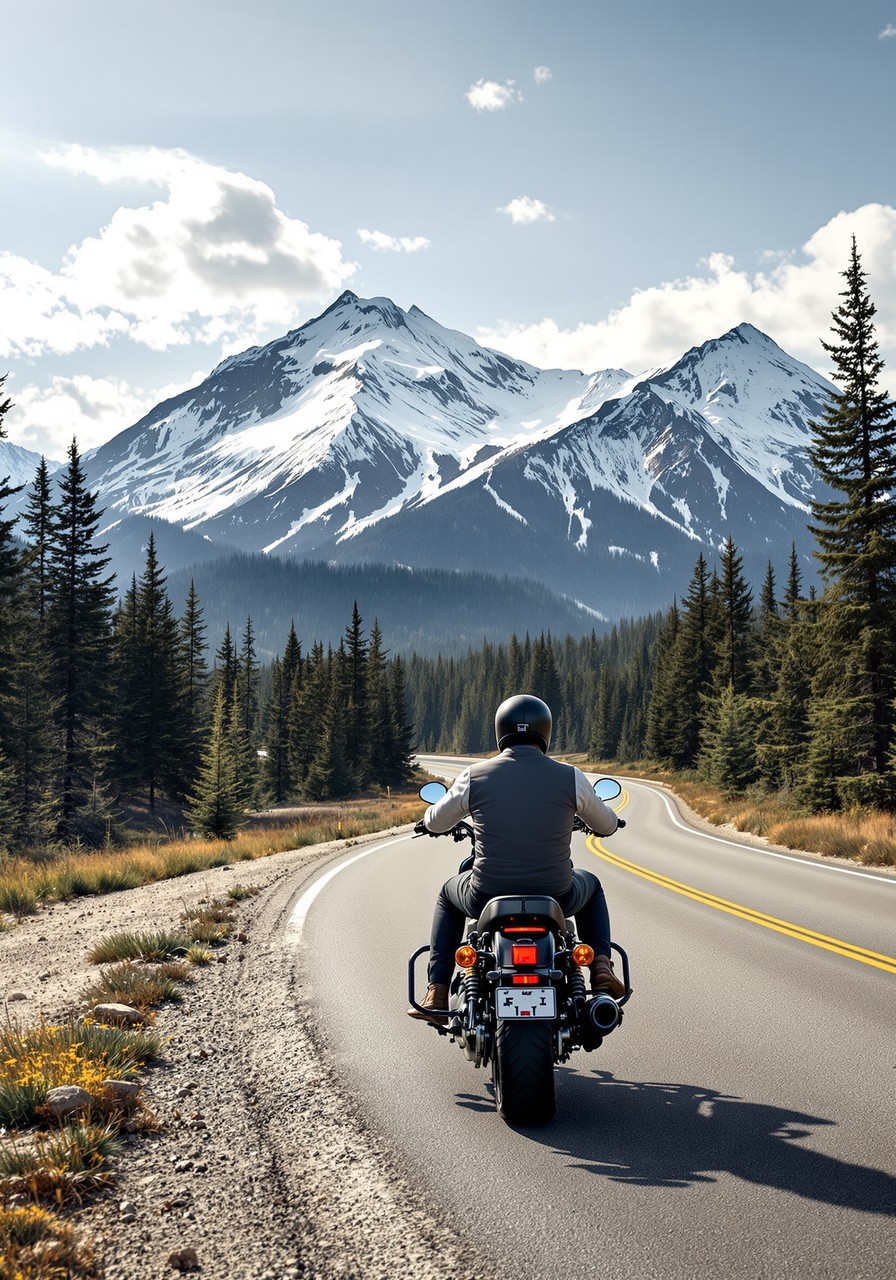
Local CO & Rides
Hail is the Front Range summer wildcard. A blue sky at noon can turn to ice pellets by three. Watch the western sky the whole ride. #RideNationCO #ColoradoRiders #FrontRange
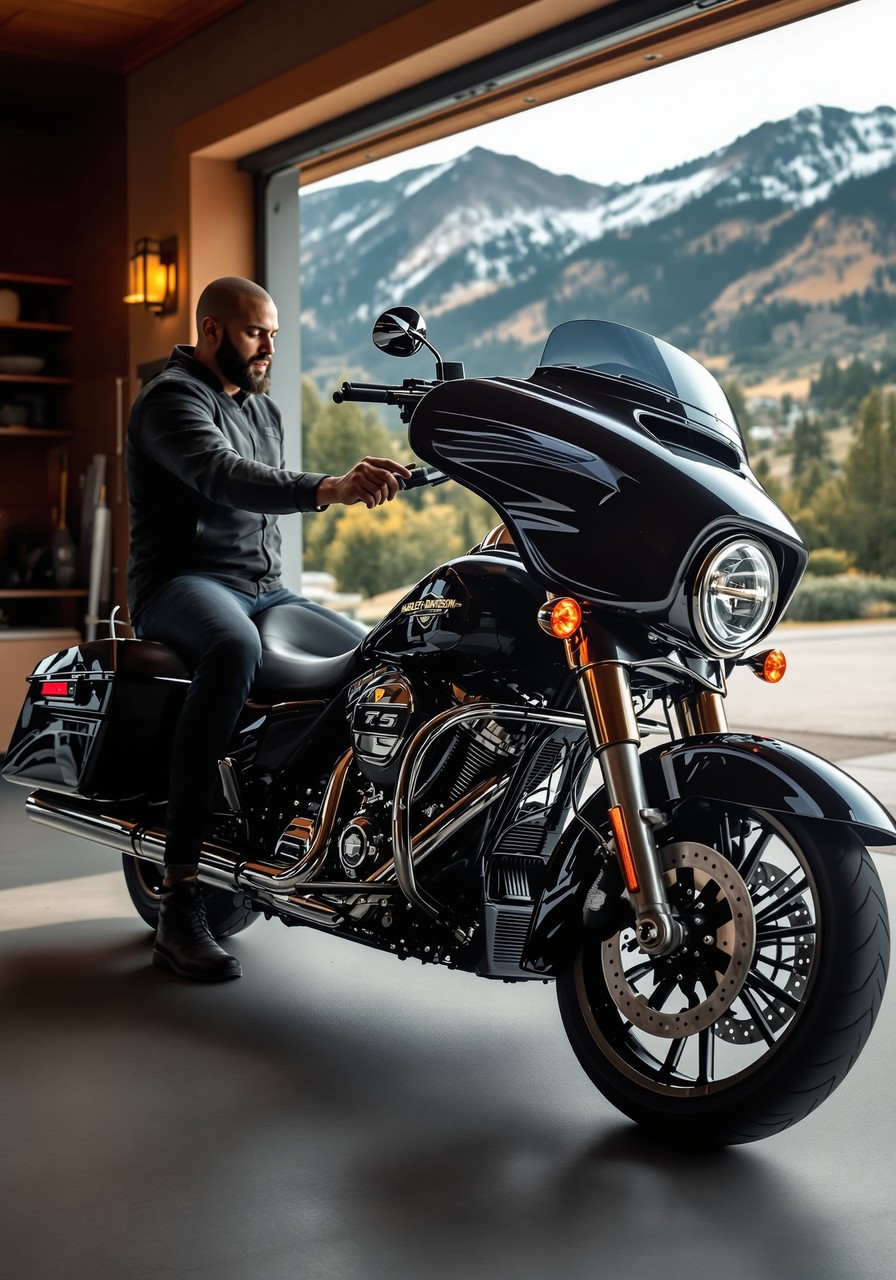
Gear & New Iron
Fuel injection self-corrects for altitude, carbs do not. Know which one you ride before you chase a mountain running problem. #RideNationCO #MotorcycleMaintenance #NewIron
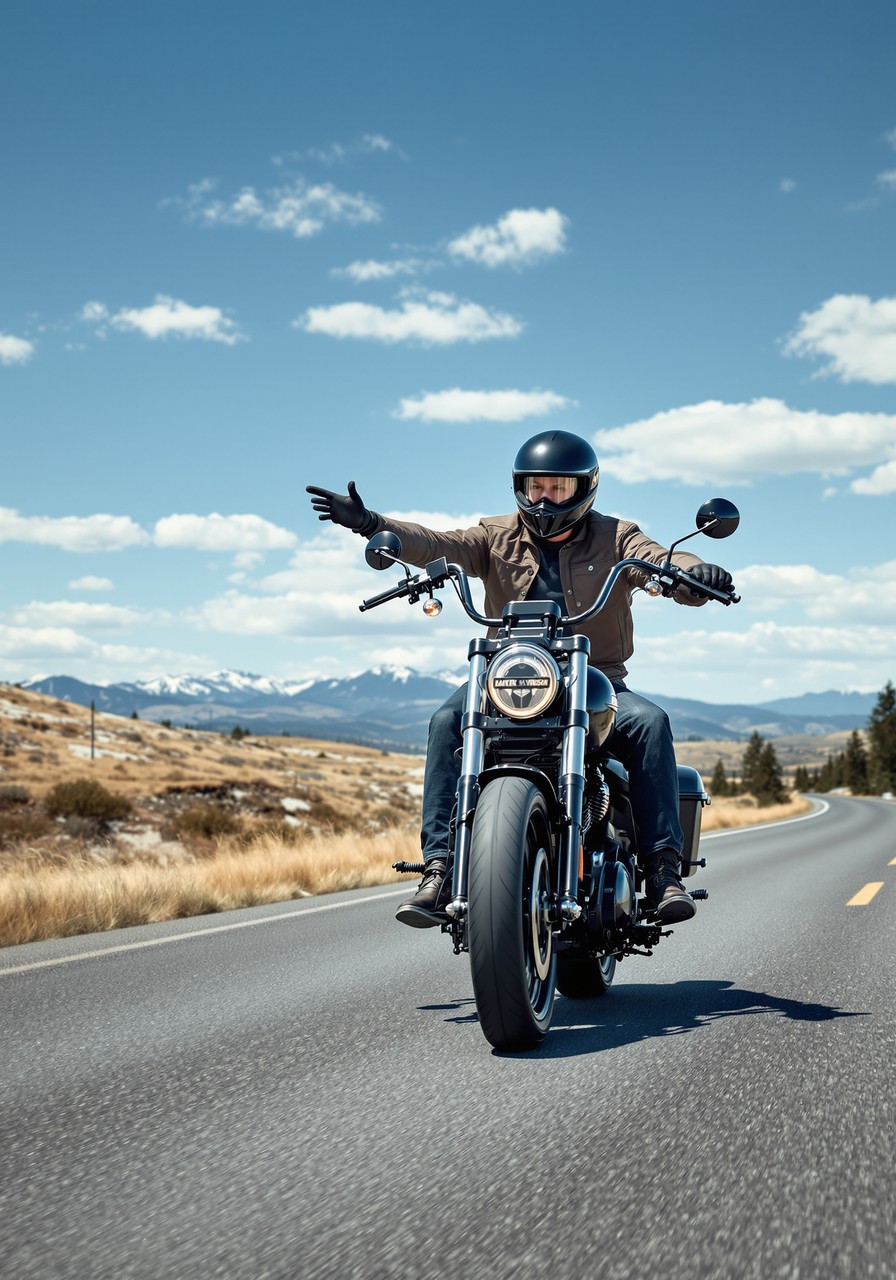
Safety & CO Law
Because Colorado has no PIP, there is no automatic pot of money after a crash. You rely on health insurance, MedPay if you added it, and the at-fault driver. Know your safety net before you ride. #RideNationCO #RiderRights #ColoradoRiders
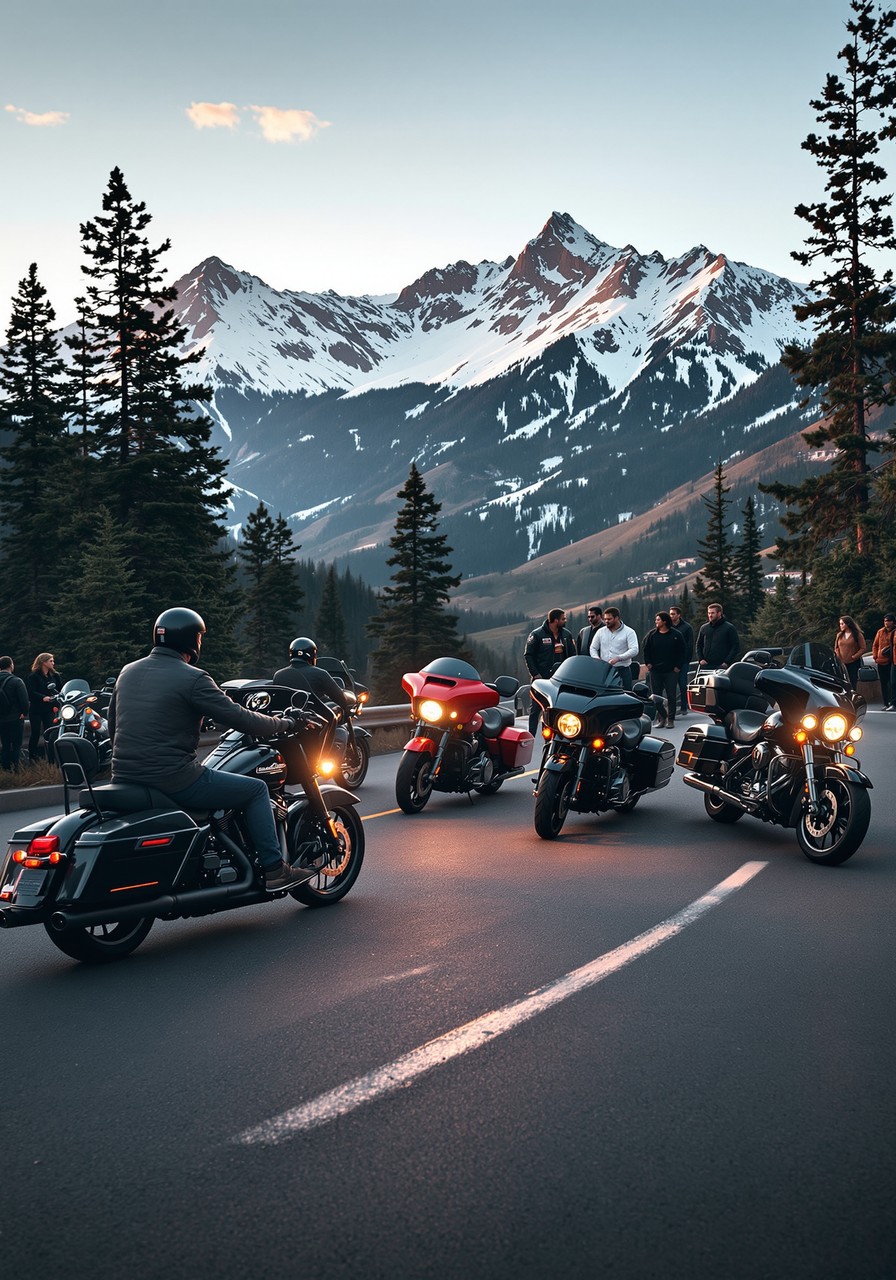
Engagement
Quick poll: how many bikes is the correct number? Yes, more than you own right now counts. #RideNationCO #RideOrDie #DenverRiders
Giveaway & Countdown
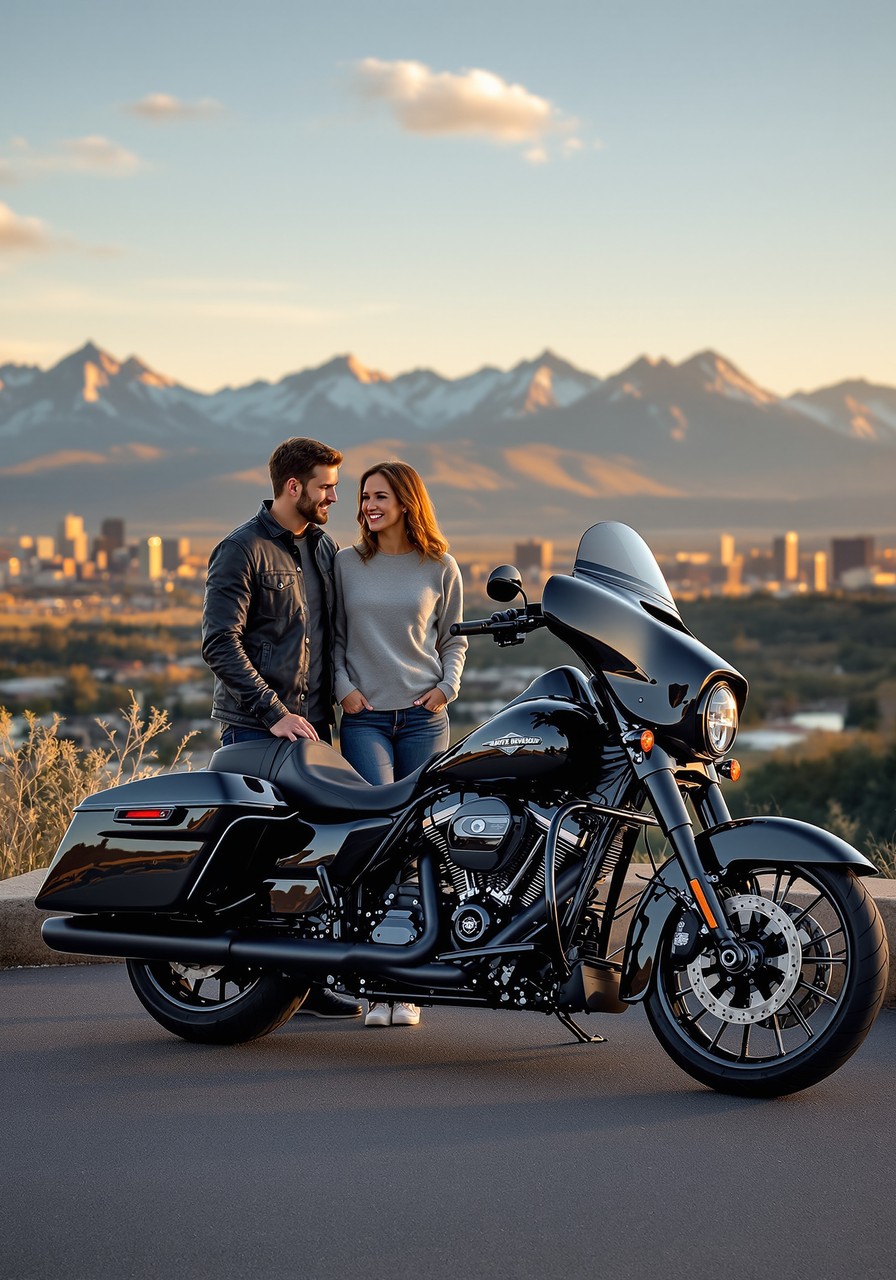
Twenty thousand dollars. Zero cost to enter. What are you waiting for? #RideNationCO #20kGiveaway #ColoradoRiders
Local CO & Rides
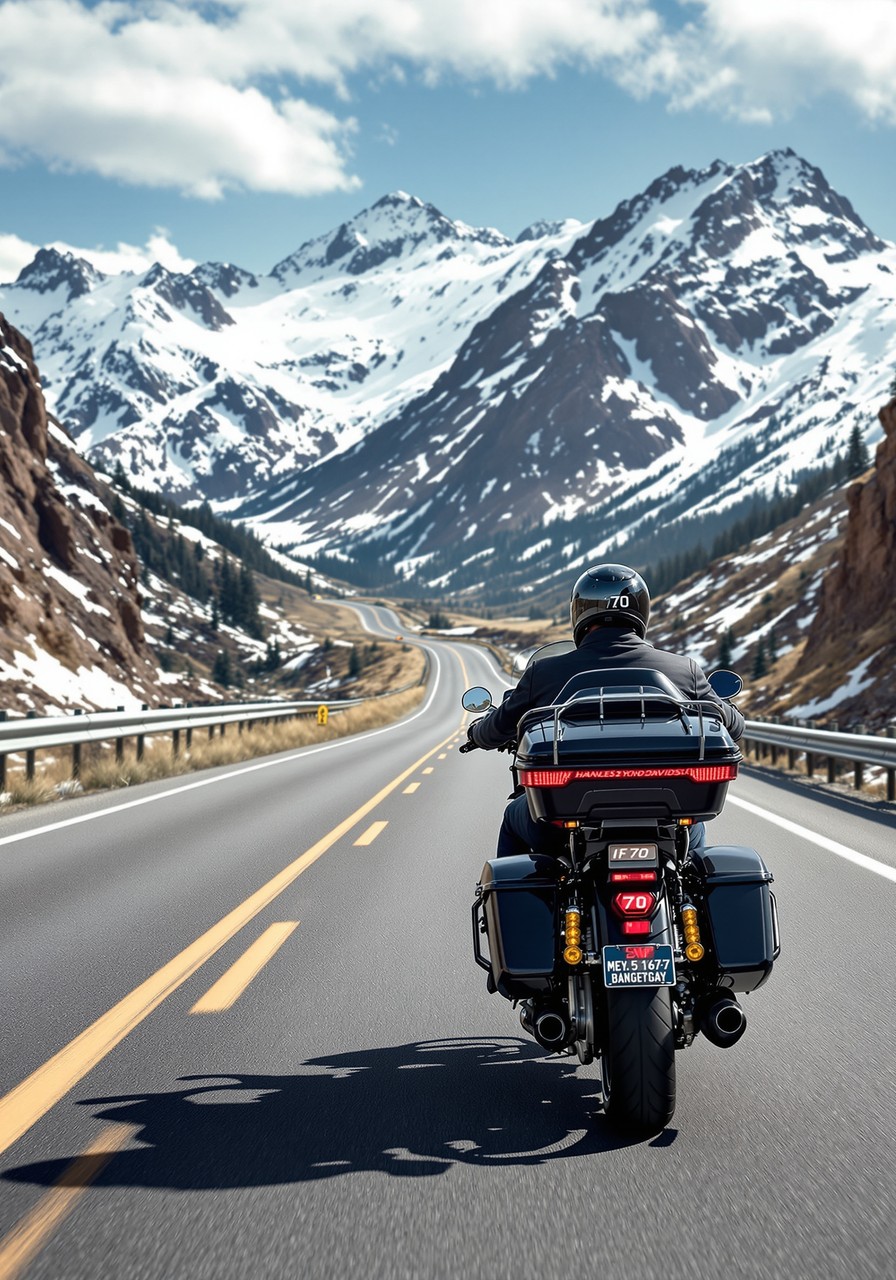
Deer Creek Canyon to Highgrade Road is a proper climb if your tires and nerves are warmed up. Blind crests reward patience, not bravery. #RideNationCO #MotorcycleRoads #FrontRange
Gear & New Iron
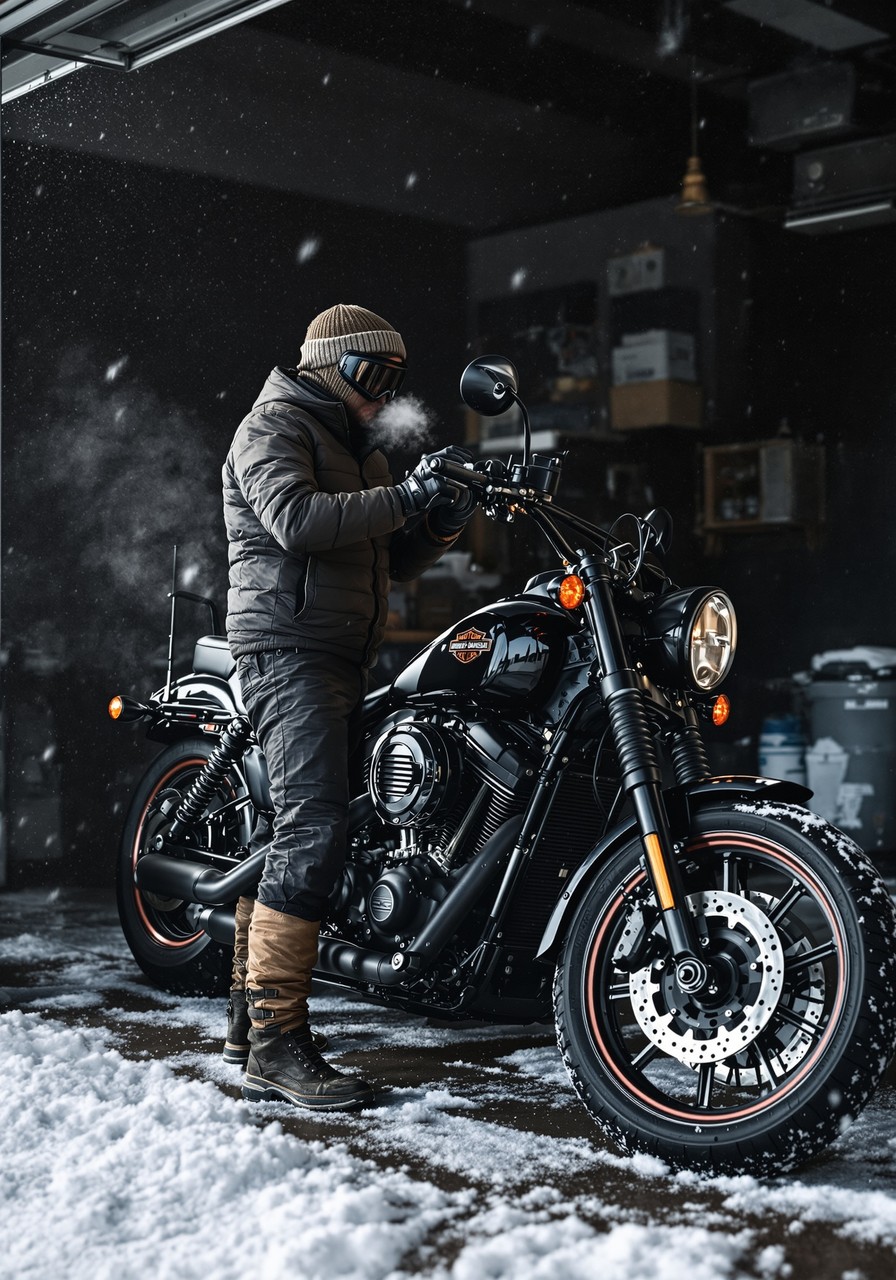
Fogging visor on a cold morning? A dab of anti-fog and a cracked shield vent beat wiping it blind at a stoplight. #RideNationCO #ColdWeatherRiding #RiderTips
Safety & CO Law
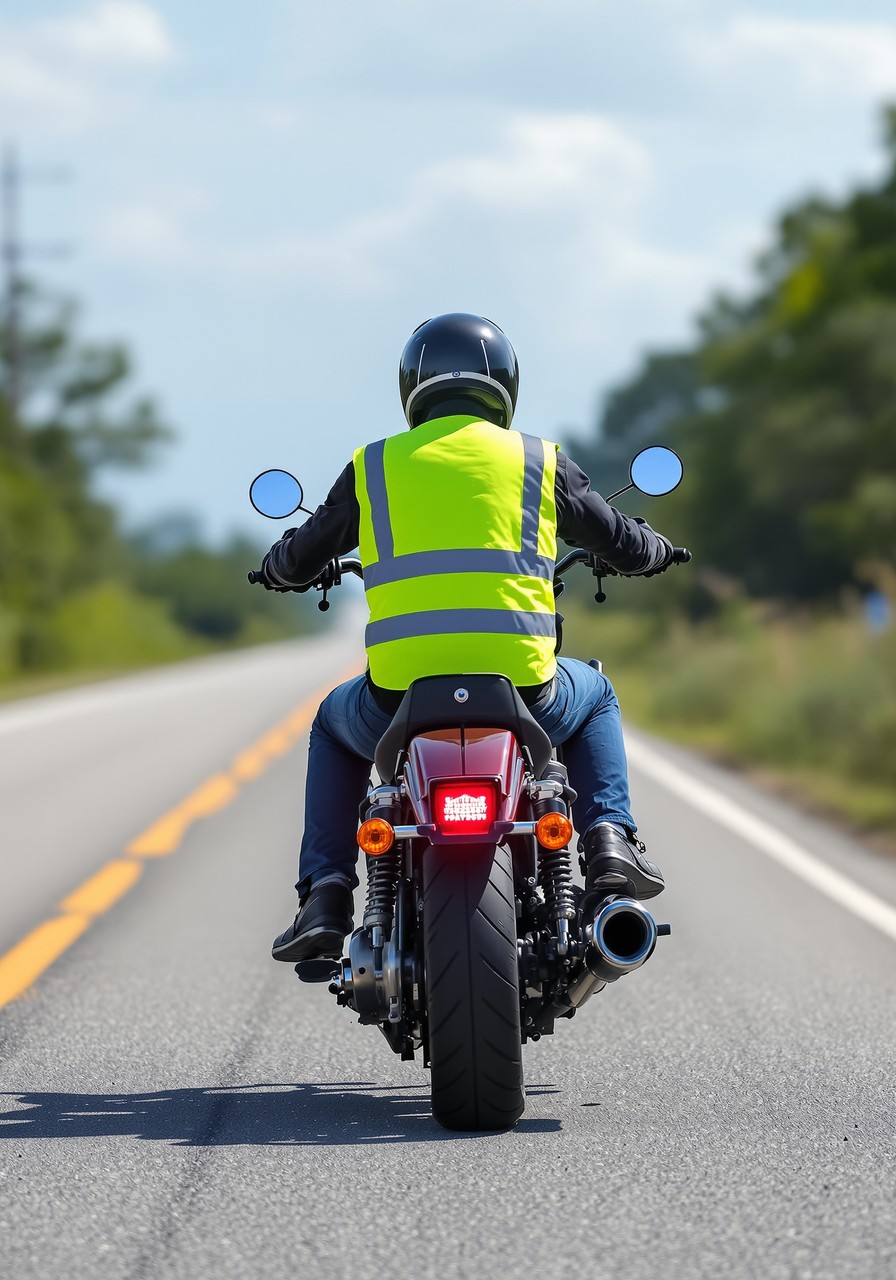
Dusk brings elk and deer onto Colorado roads right when your eyes are adjusting to low light. Drop your speed, widen your scan, and cover the brakes near tree lines. Hit and hurt by wildlife or a swerving car? Call Rider Justice at (303) 388-5304. #RideNationCO #MotorcycleSafety #ColoradoRiders
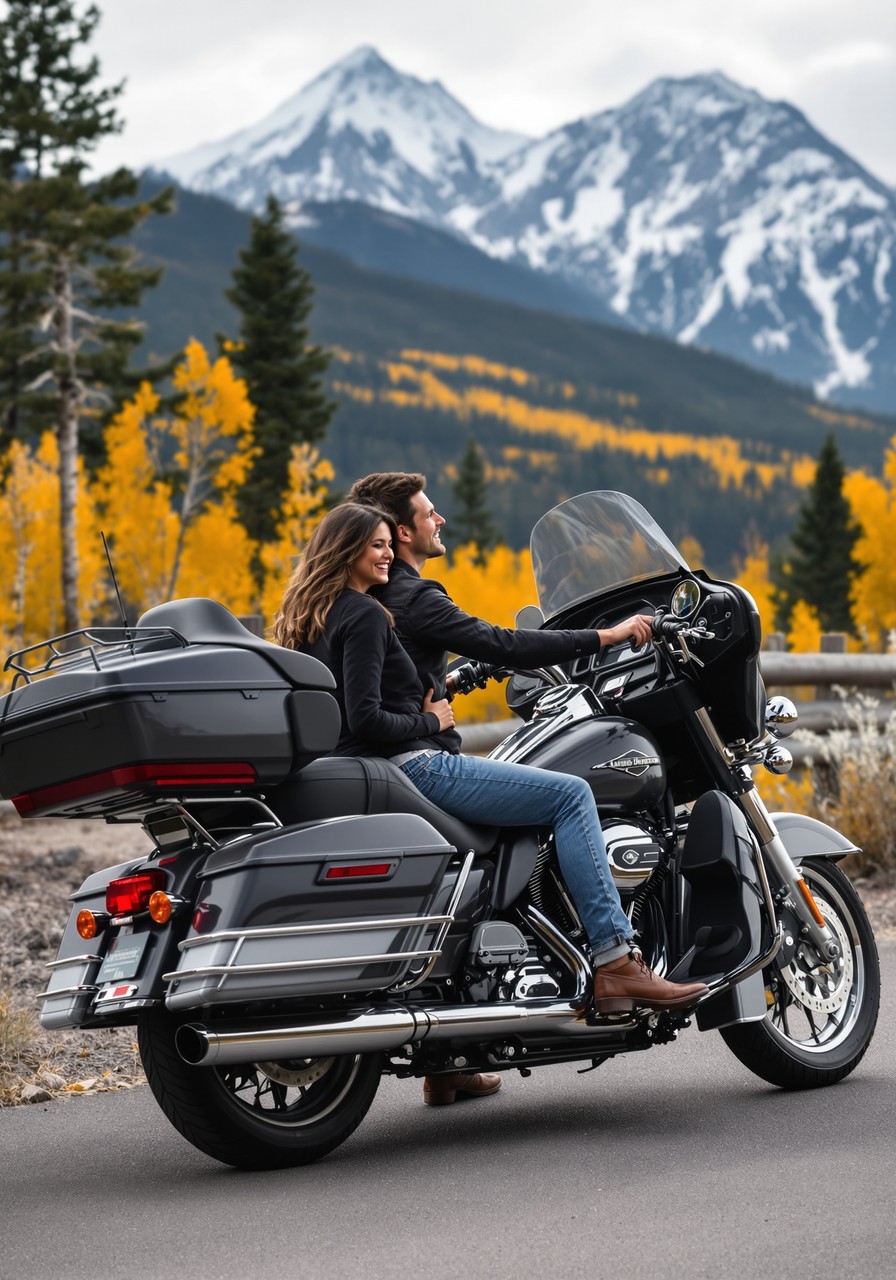
Engagement
Caption this: blue sky, dry pavement, 58 degrees in February, and a full tank. #RideNationCO #FrontRange #ColoradoRiders
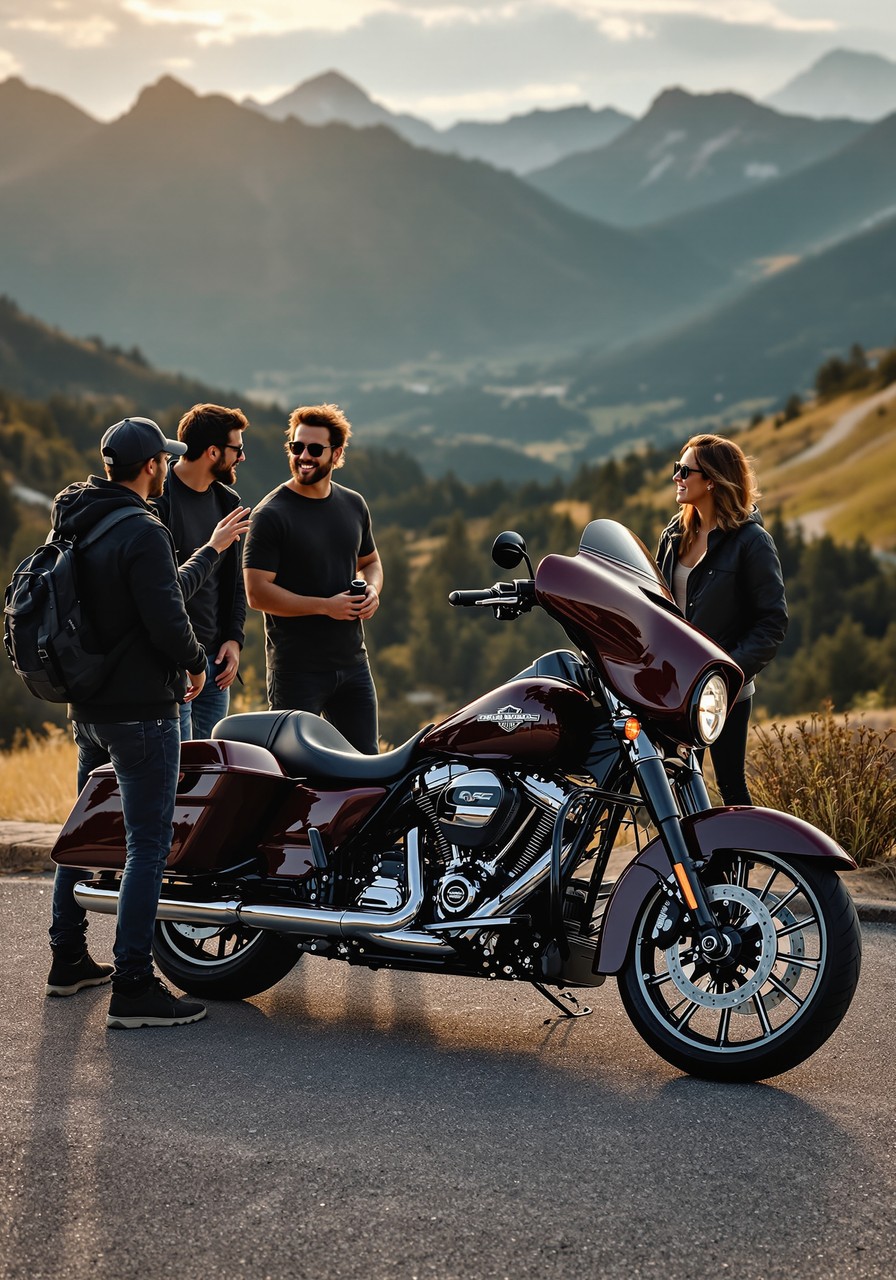
Giveaway & Countdown
The BikersWin giveaway is picking up speed. Do not be the last rider to hear about it. #RideNationCO #MotorcycleGiveaway #FrontRange
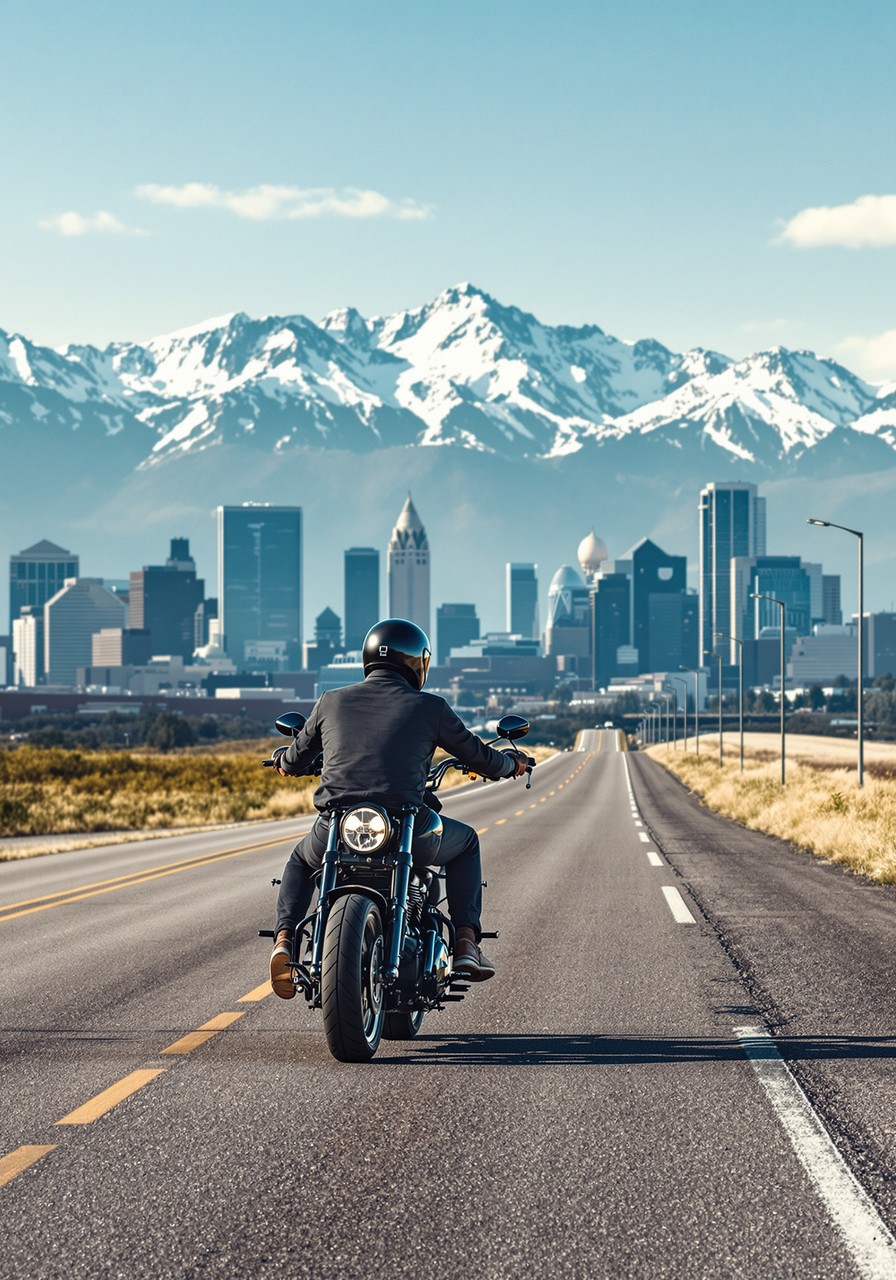
Local CO & Rides
The passes close for winter and that is the point. Use the down months to plan the routes, fix the bike, and be ready when the gates open. #RideNationCO #RockyMountains #ColoradoRiders
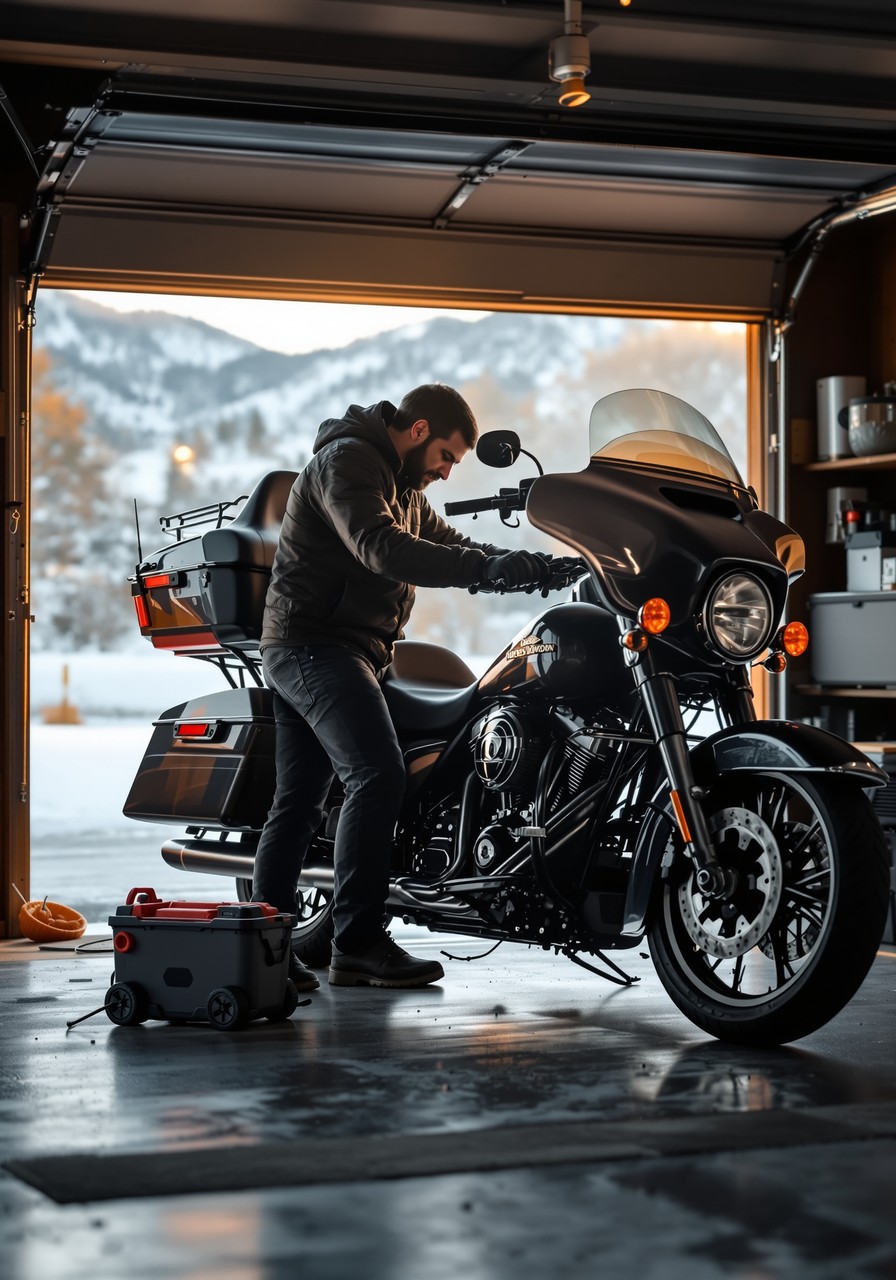
Gear & New Iron
Storing the bike for winter? Add fuel stabilizer and run it through before you park it, or you are cleaning gum out of the carbs in spring. #RideNationCO #MotorcycleMaintenance #ColdWeatherRiding
Safety & CO Law
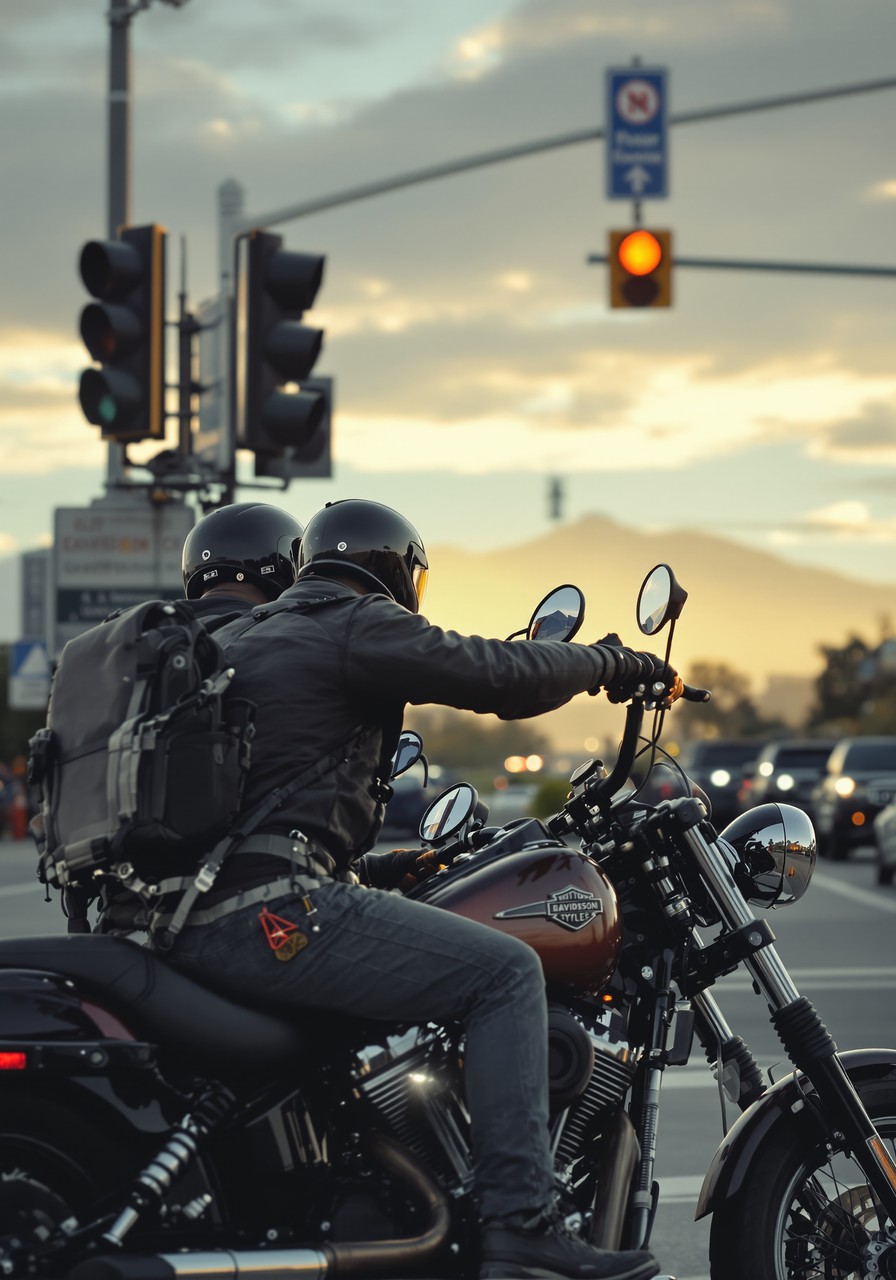
After a crash, take photos of everything before it moves: bikes, cars, skid marks, signs, and the whole intersection. Get witness names too. That evidence wins cases weeks later. #RideNationCO #RiderRights #KnowYourRights
Engagement
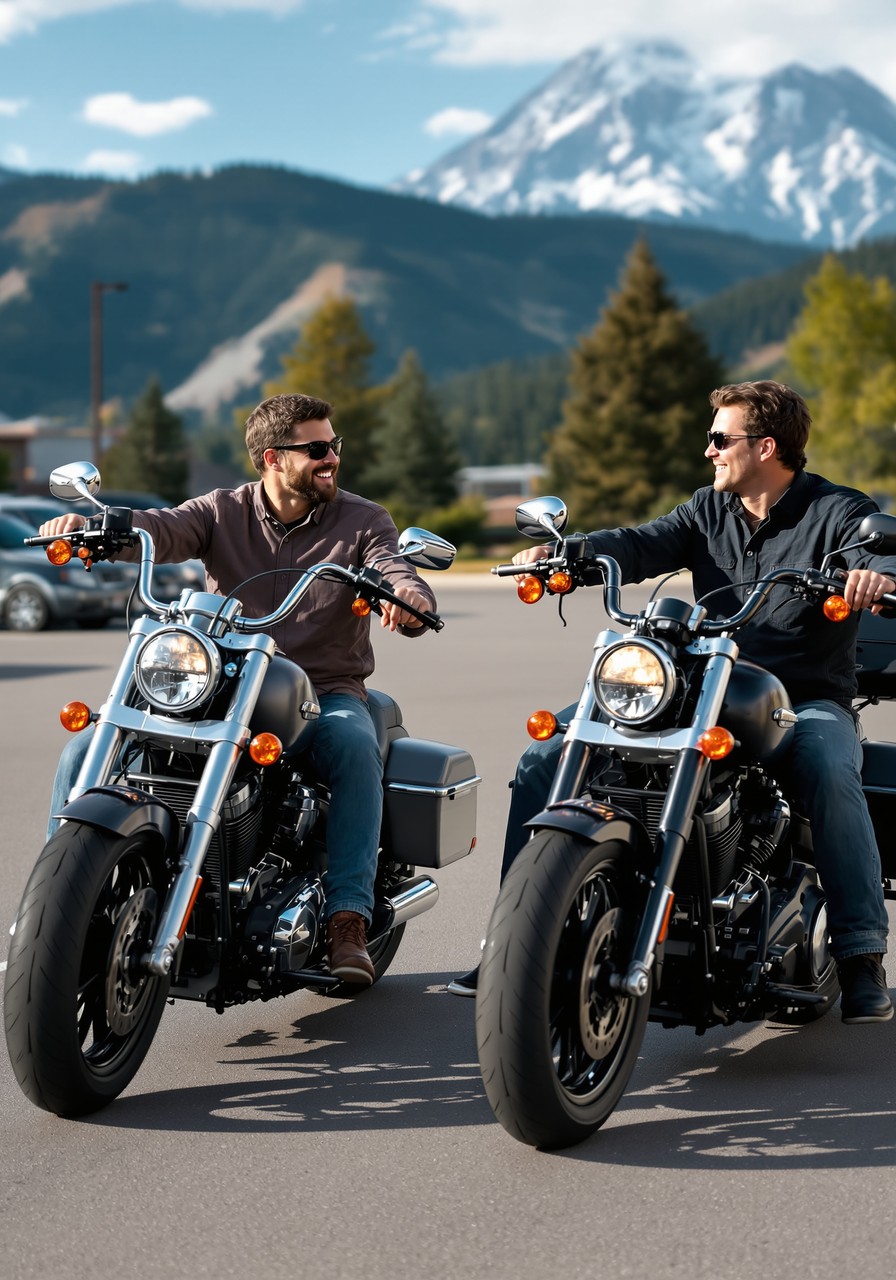
Tag the newest rider in your crew and welcome them to their first Colorado winter. #RideNationCO #DenverRiders #TwoWheels
Giveaway & Countdown
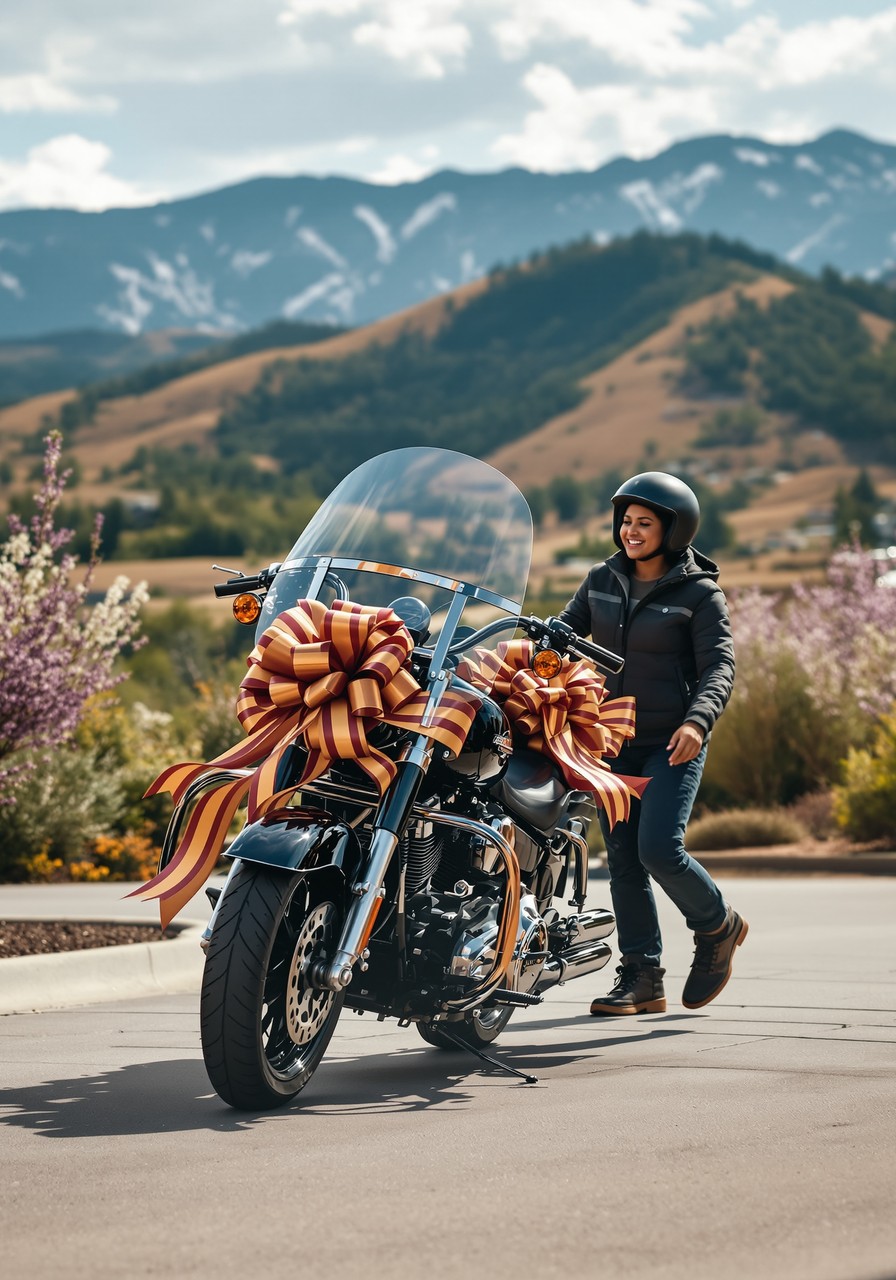
Tag the rider in your life who always says they never win anything. Their luck starts now. #RideNationCO #BikersWin #DenverRiders
Local CO & Rides
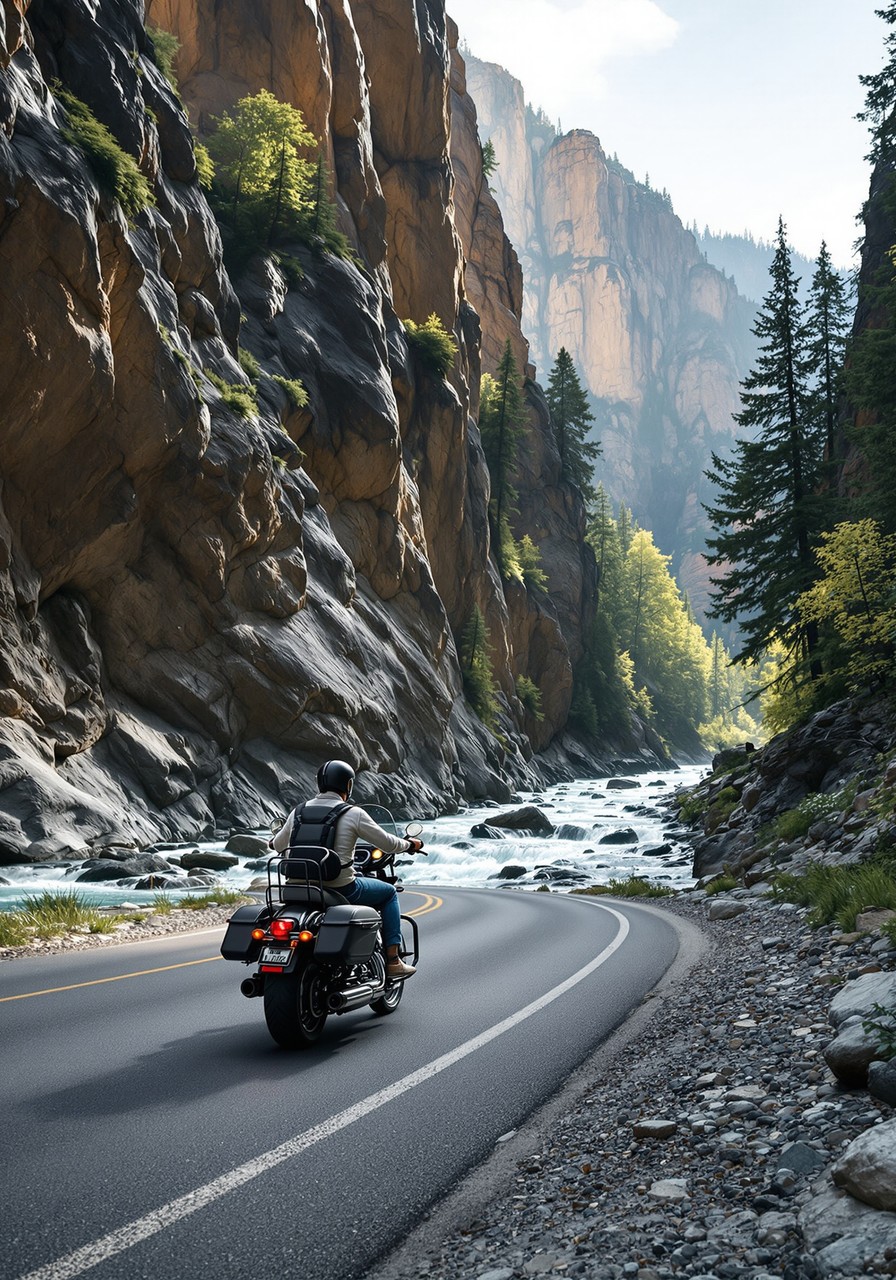
Clear Creek Canyon into Idaho Springs, then a decision, up Mount Blue Sky or over toward the Peak to Peak. Either way it is a good day. #RideNationCO #ClearCreek #RockyMountains
Gear & New Iron
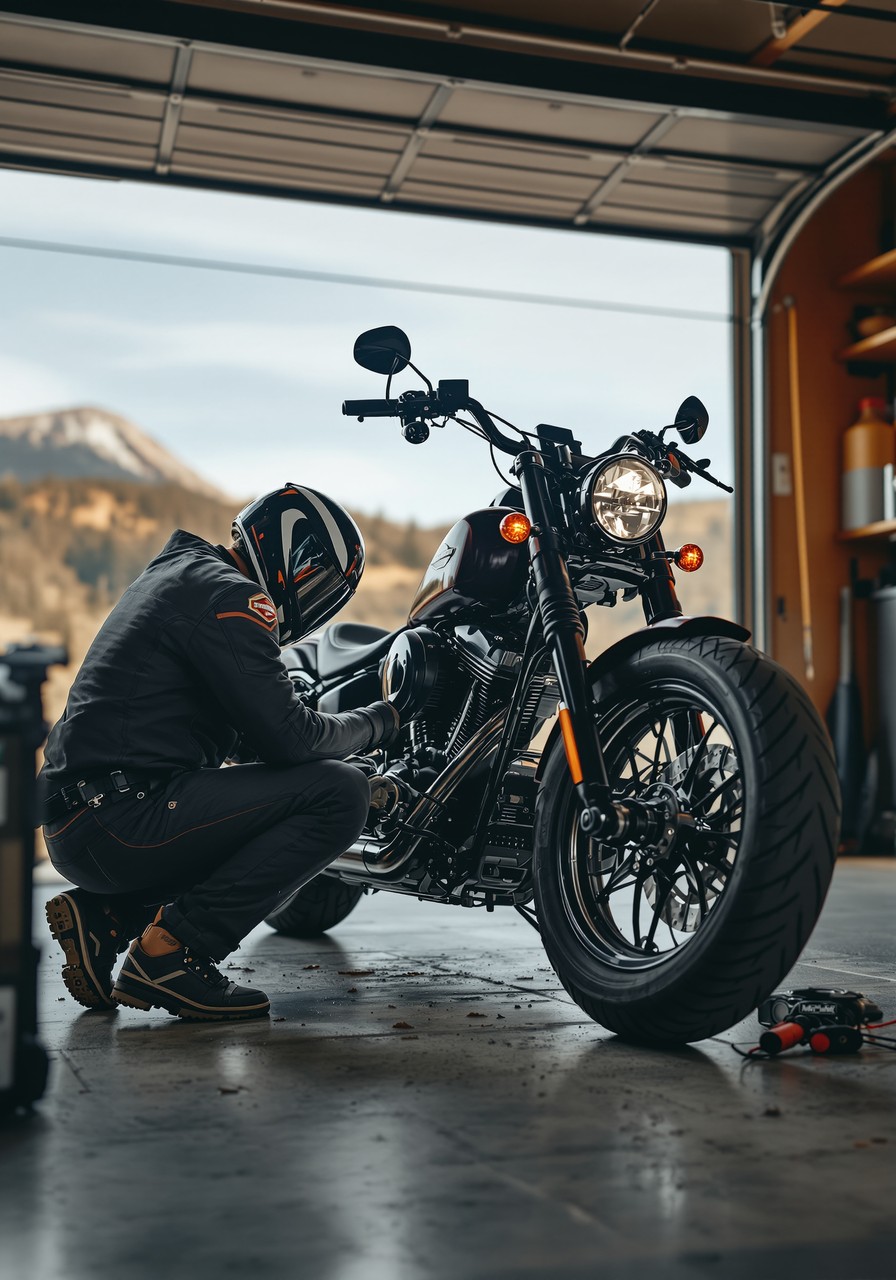
Colorado hail can total a parked bike in ten minutes. A hail-rated cover or a real roof beats a tarp and a prayer. #RideNationCO #MotorcycleMaintenance #DenverRiders
Safety & CO Law
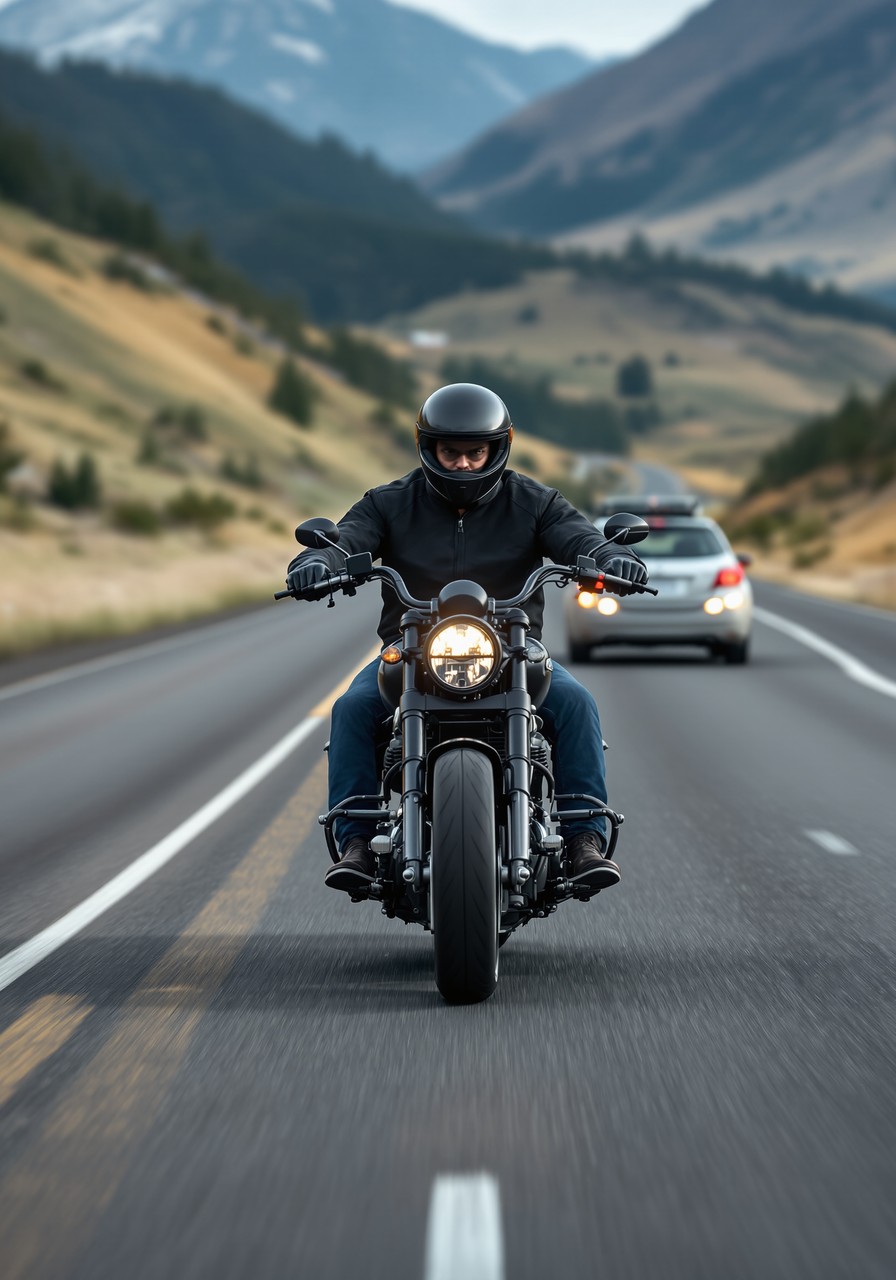
Colorado's 50 percent fault bar means a few percentage points can decide whether you recover anything at all. Do not let a rushed insurer estimate your share of the blame. Get a free case review with Rider Justice at (303) 388-5304. #RideNationCO #RiderRights #DenverRiders
Engagement
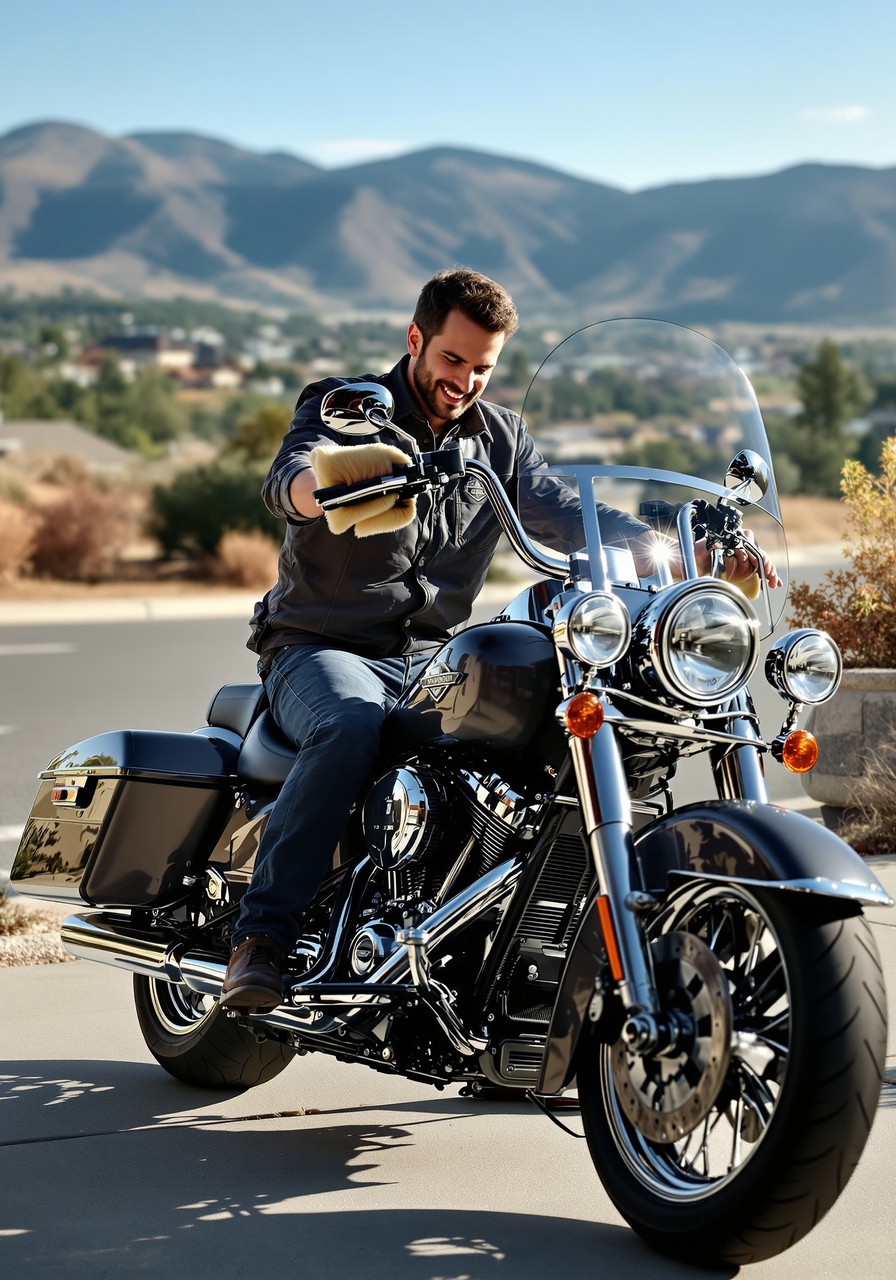
This or that: the Peak to Peak in fall colors or the same road under a fresh dusting of snow. #RideNationCO #PeakToPeak #RockyMountains
Giveaway & Countdown
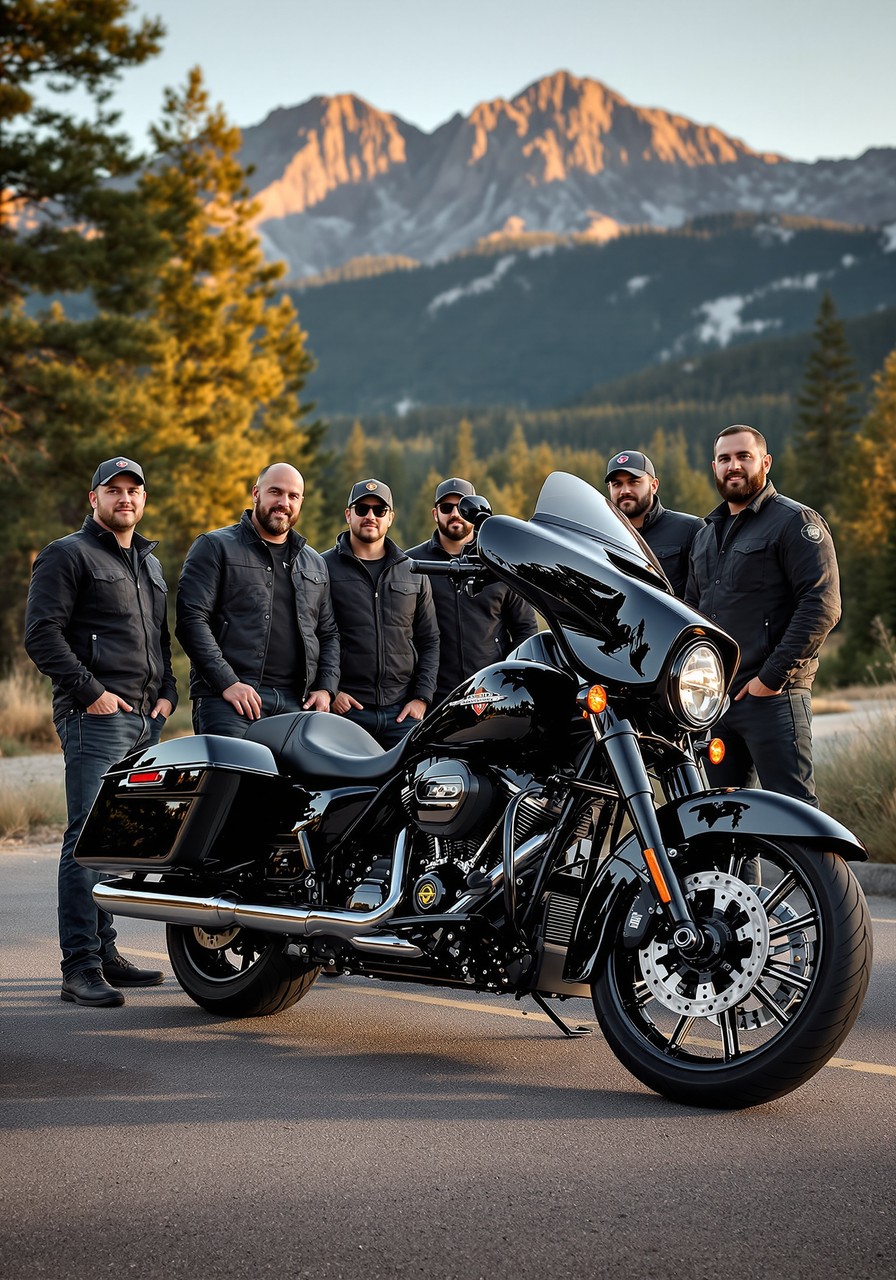
Colorado riders, the $20,000 giveaway is on and the energy is electric. #RideNationCO #20kGiveaway #ColoradoRiders
Local CO & Rides
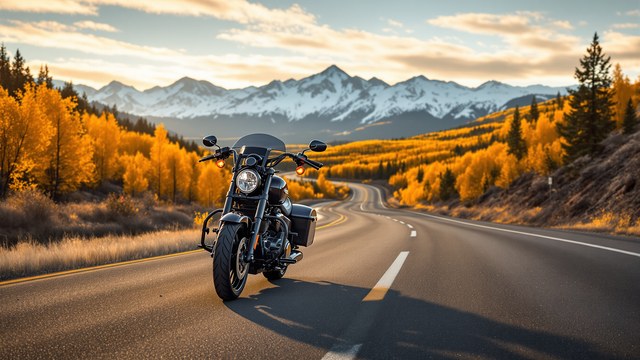
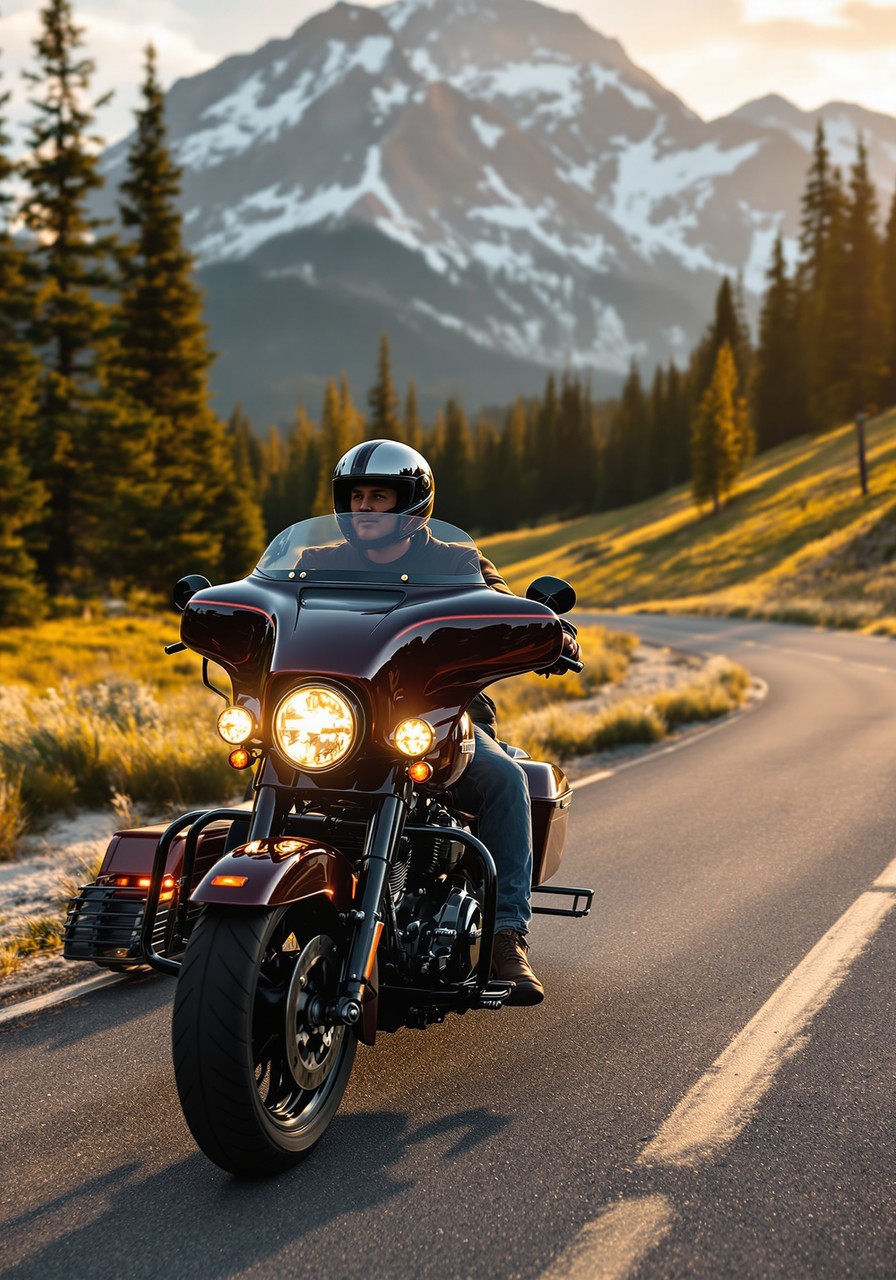
Peak to Peak in early fall is the golden ticket, aspens turning and cooler air. Layer up, the shaded stretches bite before the sun clears the ridge. #RideNationCO #PeakToPeak #ColoradoRiders
Gear & New Iron
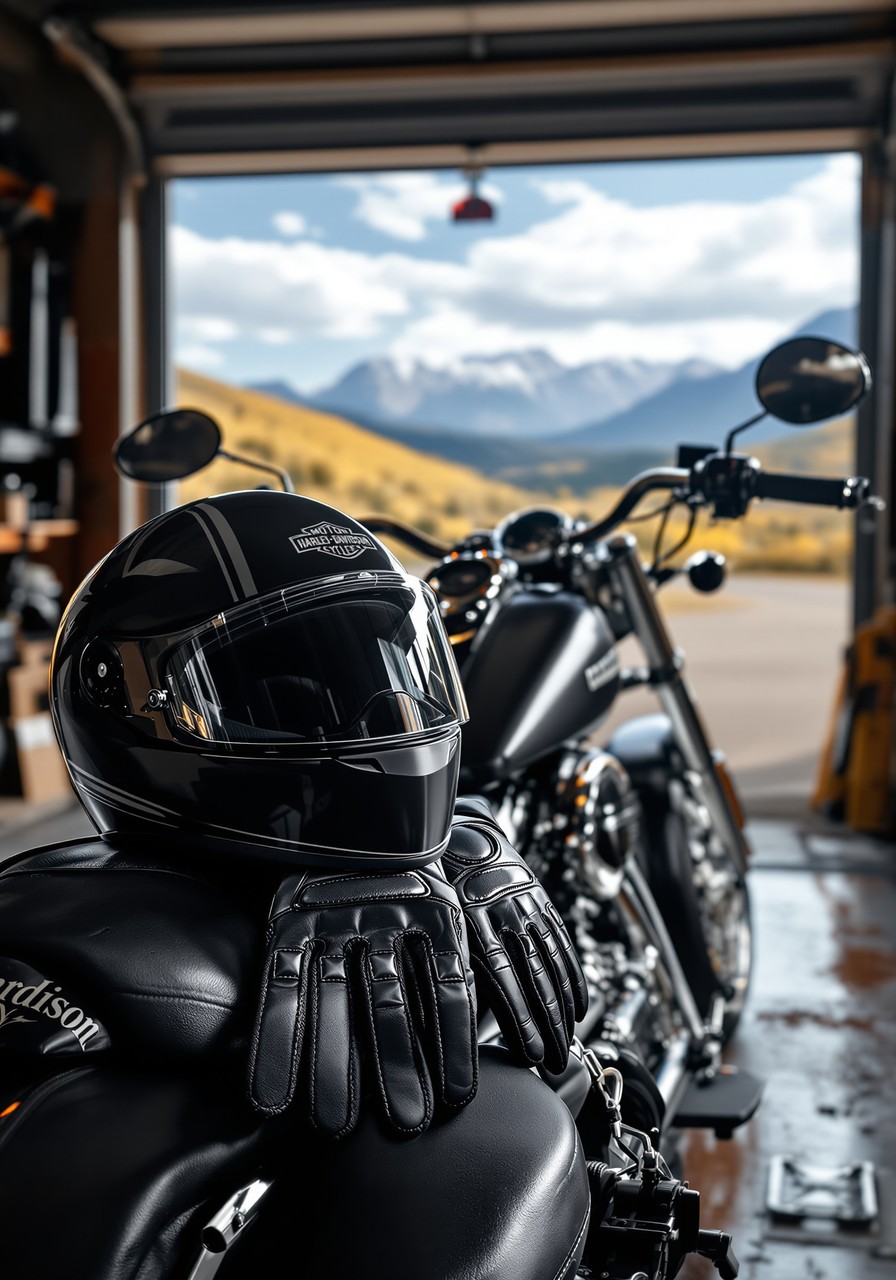
Summer thunderheads build fast on the Front Range. Watch the sky and get your bike under cover before the hail starts falling. #RideNationCO #RiderTips #DenverRiders
Safety & CO Law
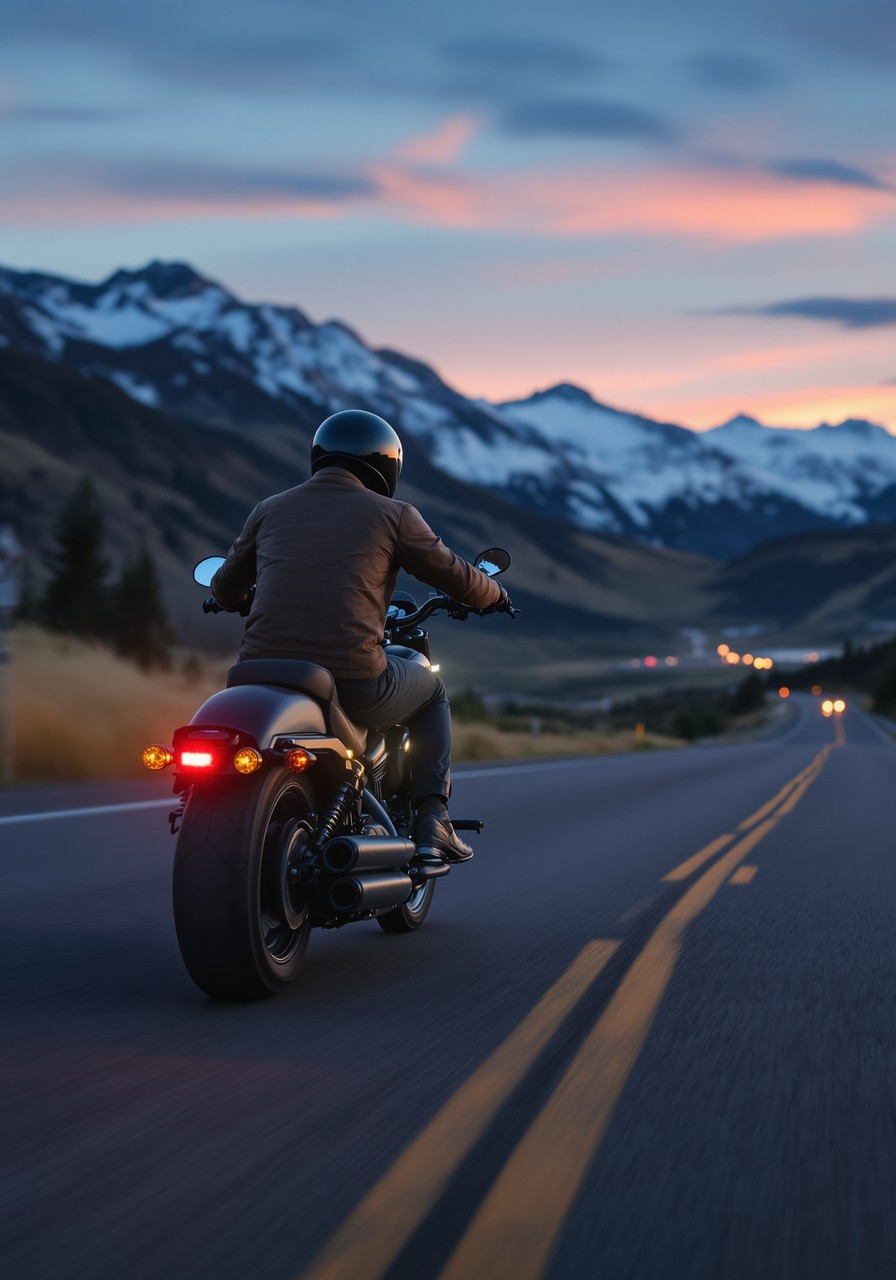
Reminder for 2026: filtering past stopped traffic at 15 mph or less is legal in Colorado, but lane splitting through moving traffic is not. Know the line so you stay legal and safe. #RideNationCO #KnowYourRights #MotorcycleSafety
Engagement
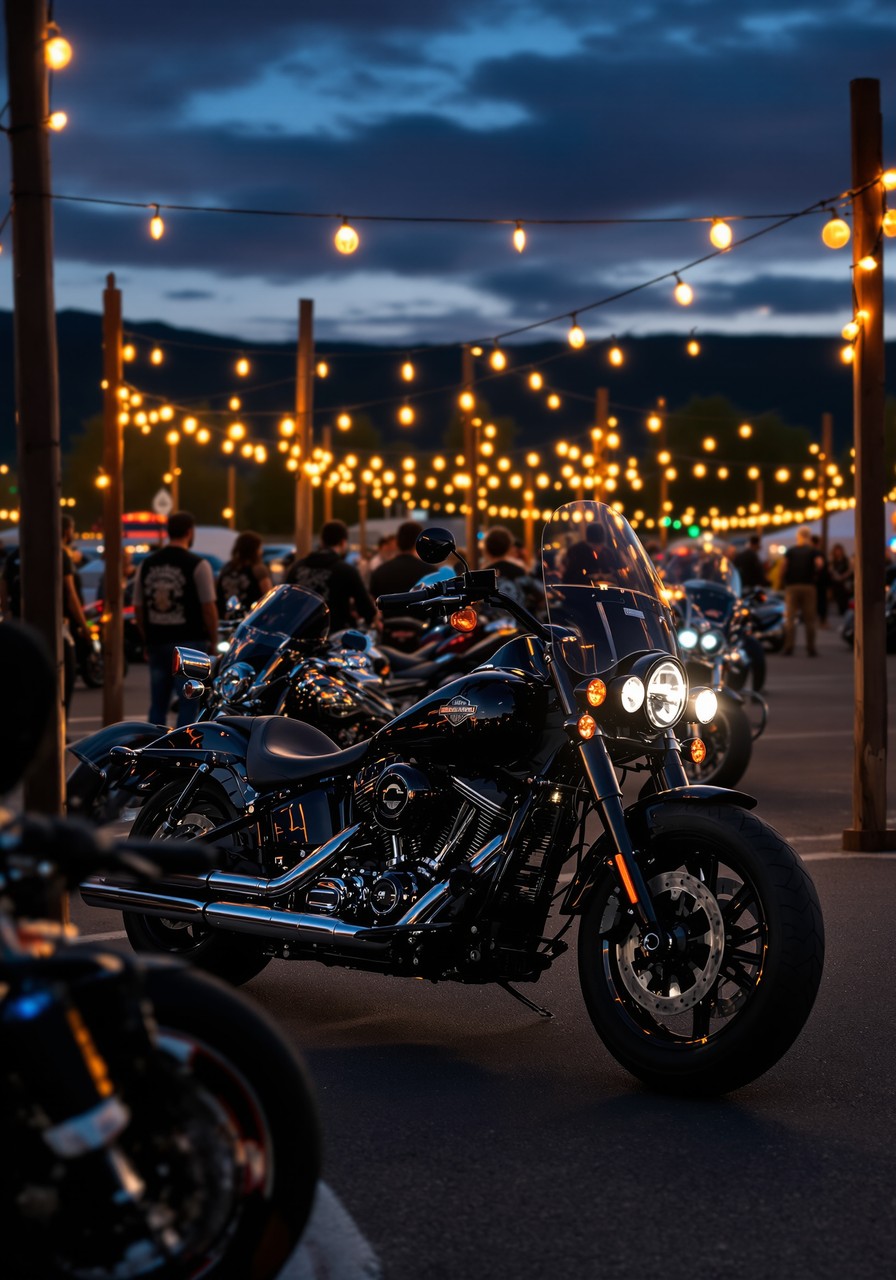
Fill in the blank: my off-season countdown says ______ days until the passes open. #RideNationCO #MileHigh #ColoradoRiders
Giveaway & Countdown
Countdown mode activated. Keep it locked on Ride Nation Denver for the BikersWin giveaway. #RideNationCO #MotorcycleGiveaway #DenverRiders
Local CO & Rides
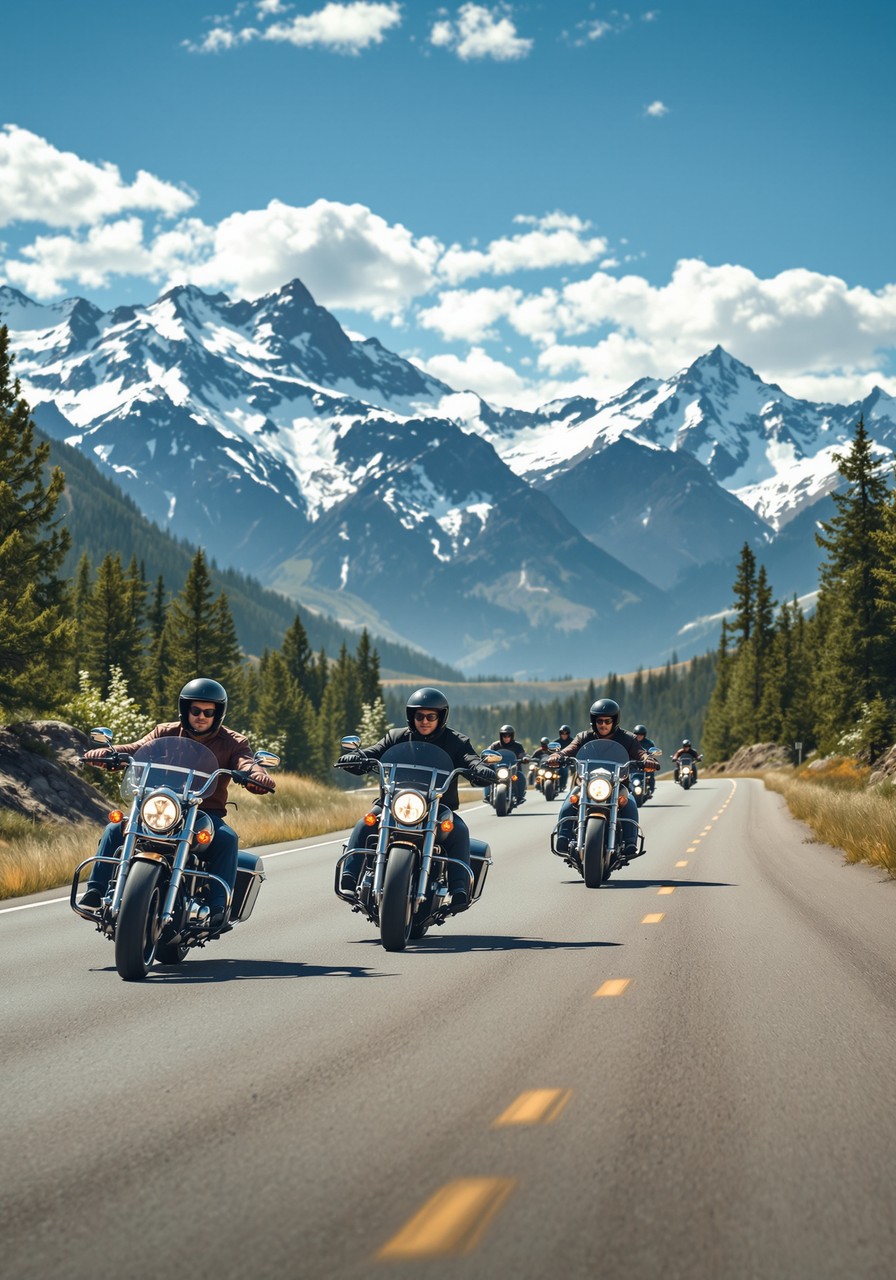
Wet roads in the high country dry unevenly. That damp streak across a shaded corner has grabbed more than one front tire up here. #RideNationCO #RockyMountains #ColoradoRiders
Gear & New Iron
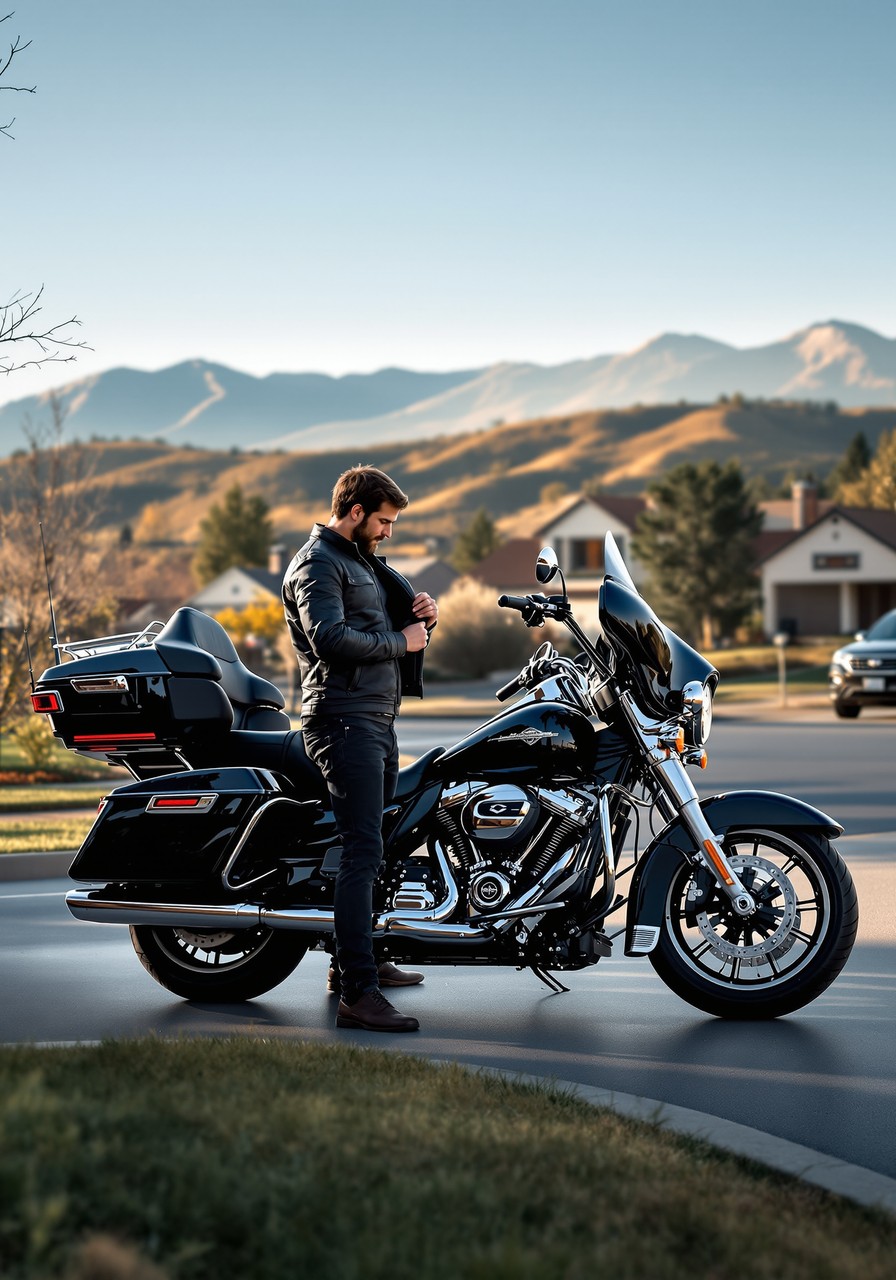
Long winter layup checklist: stabilized fuel, tender on the battery, tires off the cold floor, cover on. Spring you will thank winter you. #RideNationCO #MotorcycleMaintenance #ColdWeatherRiding
Safety & CO Law
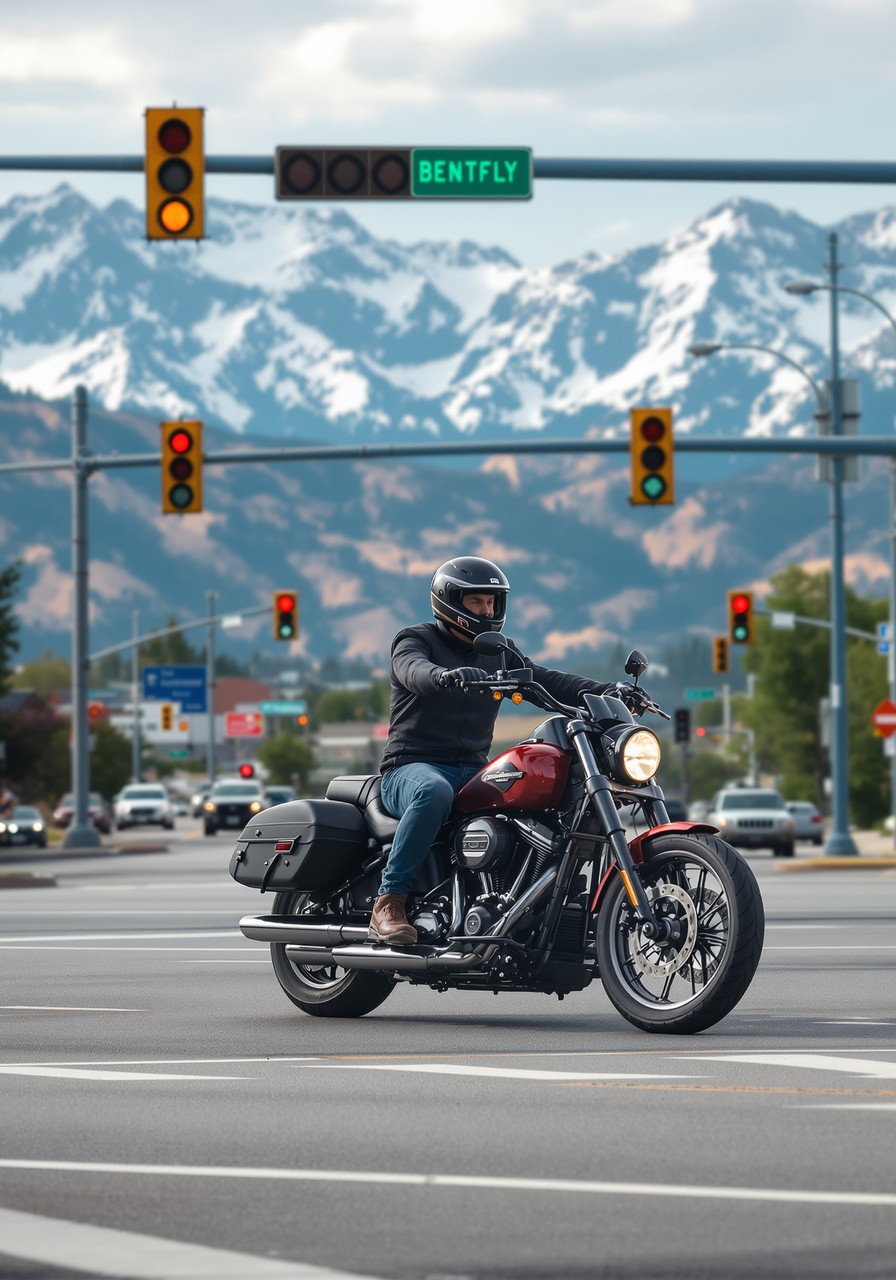
A good helmet, boots, and gloves do their job in the half second you never planned for. The law may not require a lid over 18, but your body still does. Injured despite riding smart? Call Rider Justice at (303) 388-5304. #RideNationCO #ATGATT #RiderRights
Engagement
Favorites: the sound your bike makes on the first start of the season. Describe it in one line. #RideNationCO #TwoWheels #DenverRiders
Giveaway & Countdown
Twenty grand toward your next build, your next ride, your next adventure. This giveaway is real. #RideNationCO #BikersWin #FrontRange
Local CO & Rides
Berthoud Pass reopens to easy riding once the melt is done. First run over the top when it is clear and dry is a full-season reset. #RideNationCO #RockyMountains #ColoradoRiders
Gear & New Iron
Shopping new iron? Test how the bike carries weight at a stop. What feels light in the showroom feels different on a Denver hill start. #RideNationCO #NewIron #RiderTips
Safety & CO Law
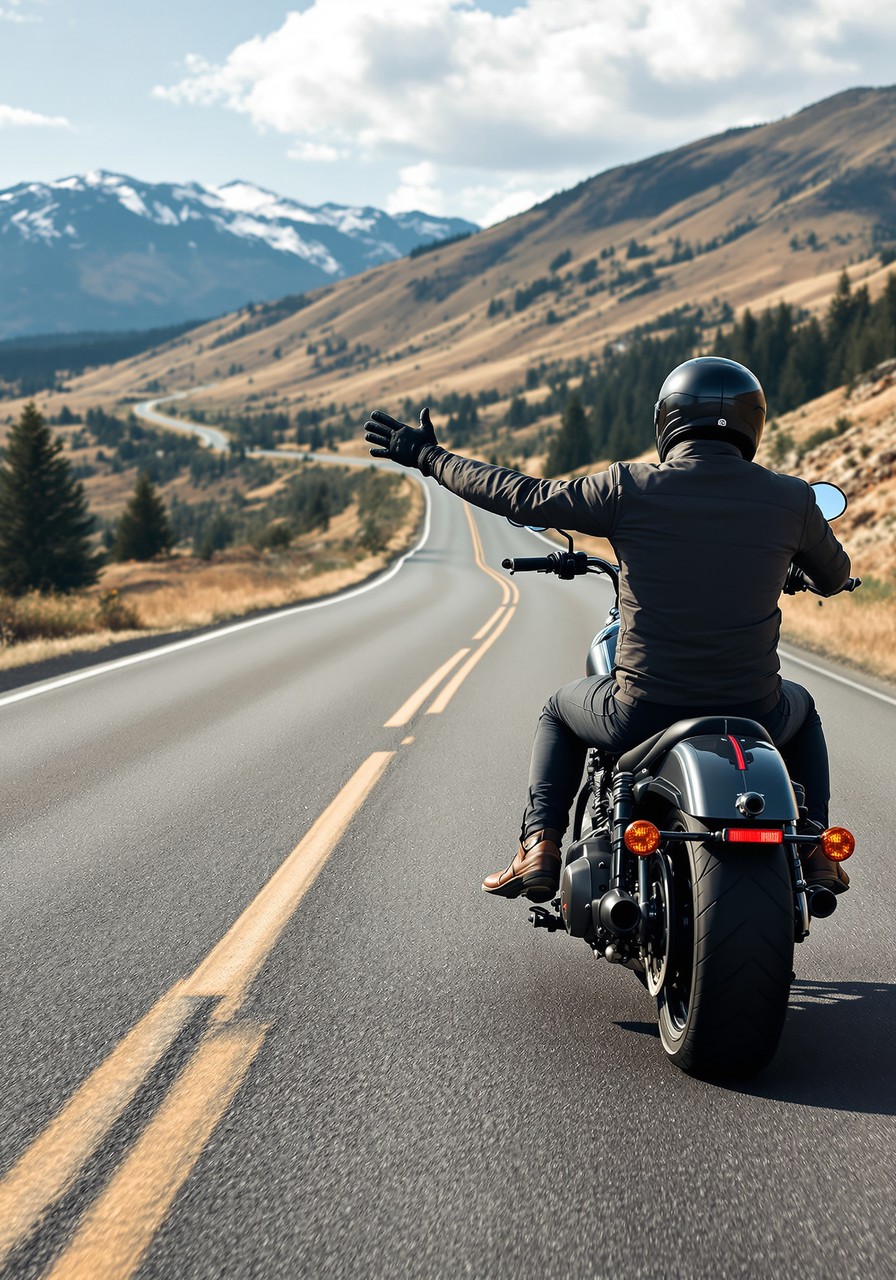
Loose gravel on a canyon shoulder is not the place to test your brakes hard. Keep your speed sane on unfamiliar roads and read the surface a corner ahead. #RideNationCO #MotorcycleSafety #FrontRange
Engagement
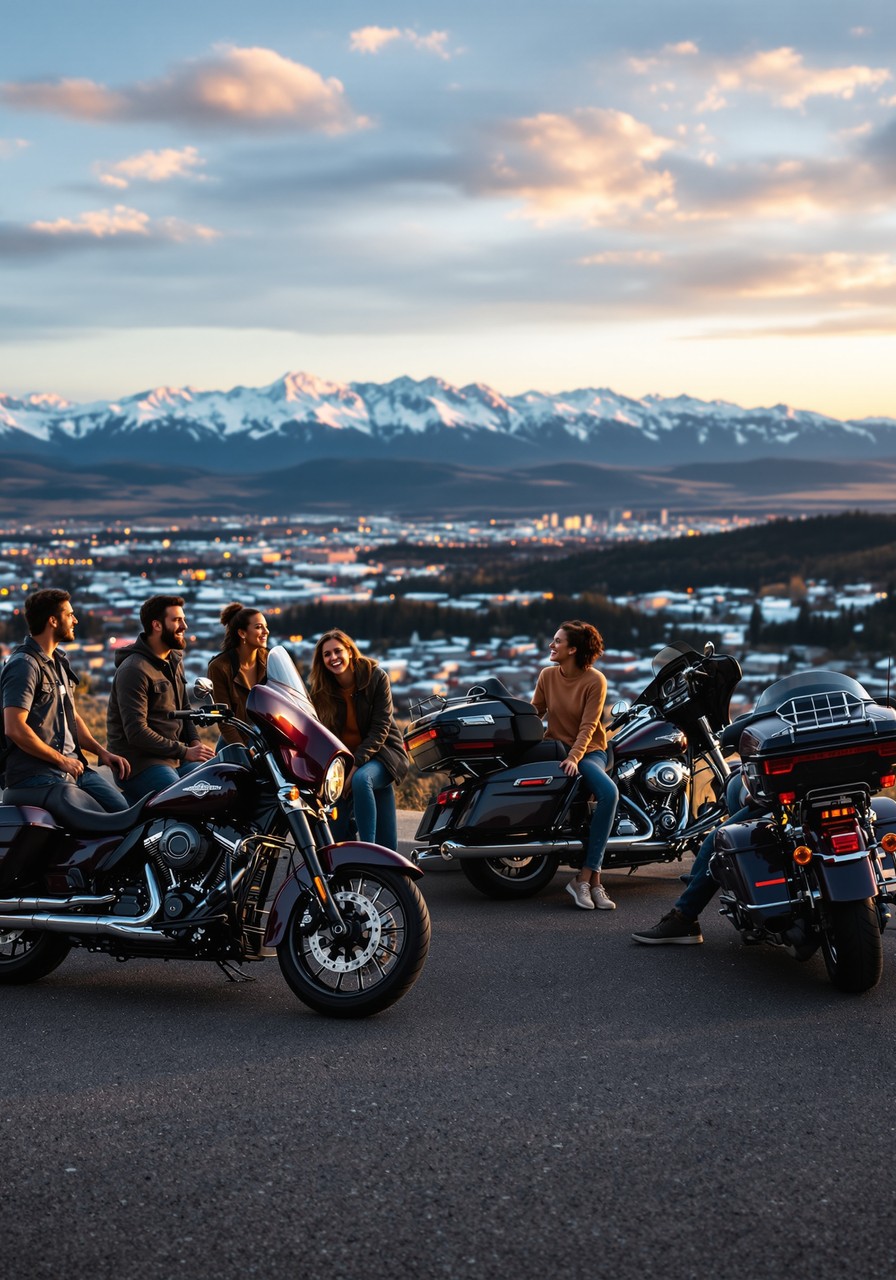
Poll: solo ride to clear your head or the whole crew rolling out together? #RideNationCO #RideOrDie #FrontRange
Giveaway & Countdown
The buzz is real and the giveaway is bigger than ever. Ride Nation is showing up. #RideNationCO #20kGiveaway #DenverRiders
Local CO & Rides
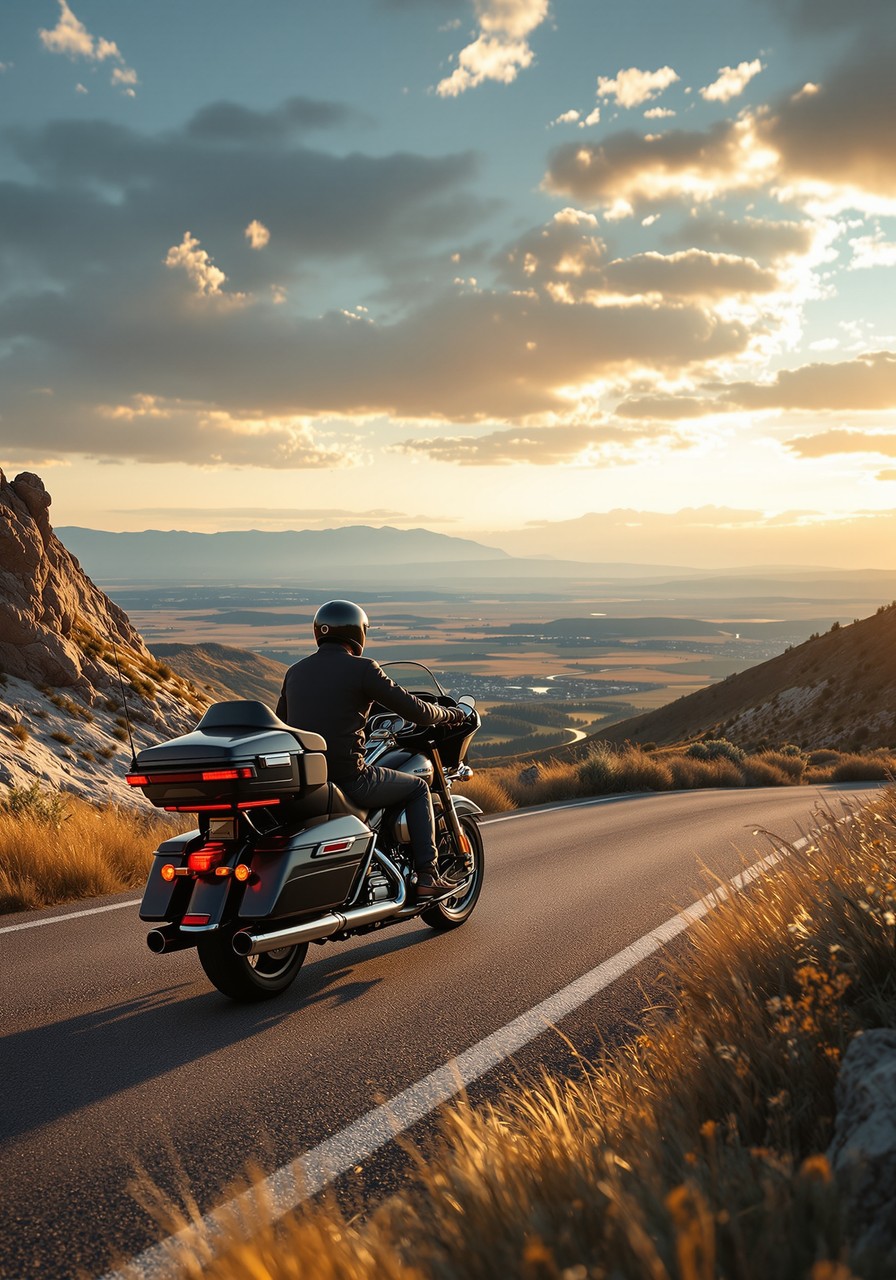
Lookout Mountain traffic gets busy on weekends with tourists and cyclists. Go at dawn and the Lariat is all yours. #RideNationCO #LookoutMountain #DenverRiders
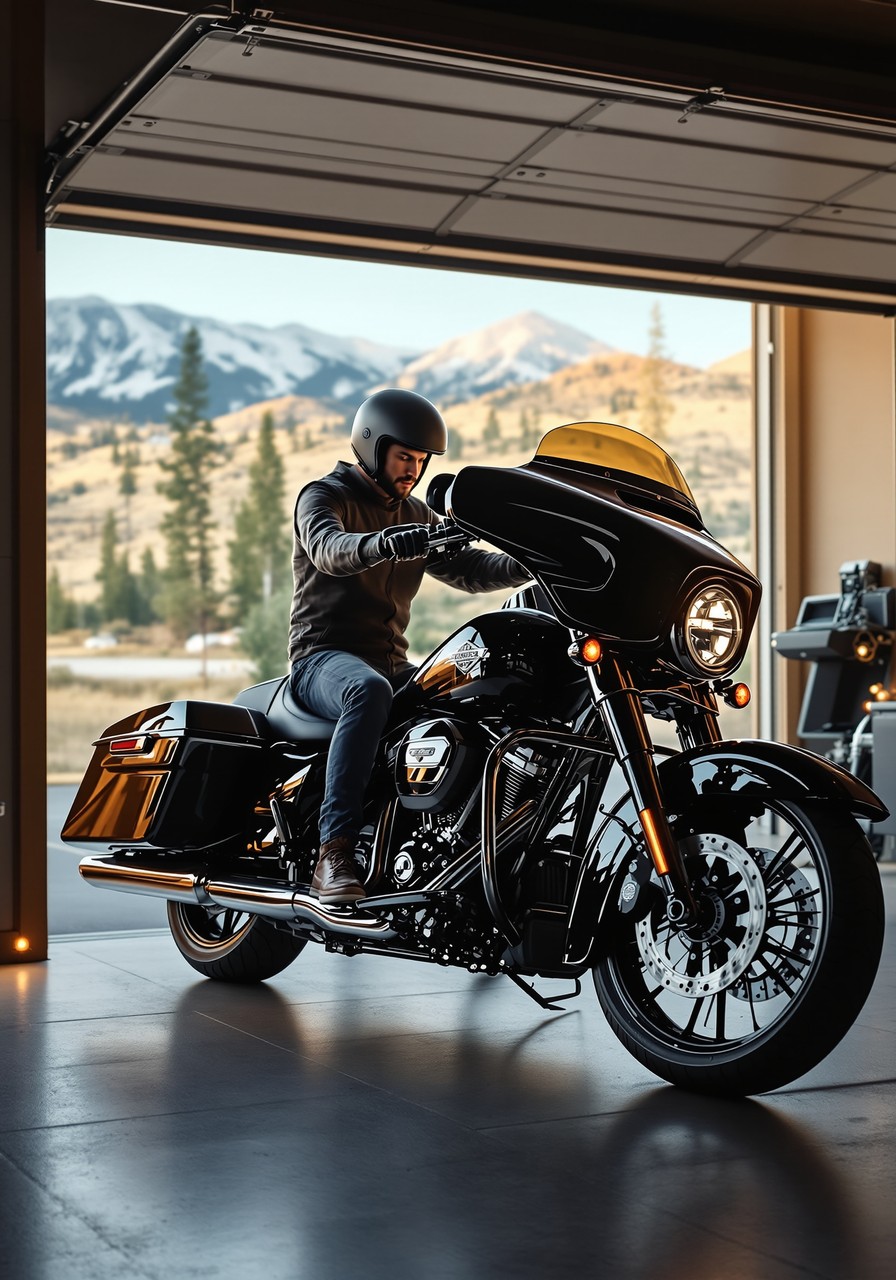
Gear & New Iron
New adventure bikes are built for exactly our terrain: pavement to pass to fire road. Demo one before you commit. #RideNationCO #NewIron #BikerLife
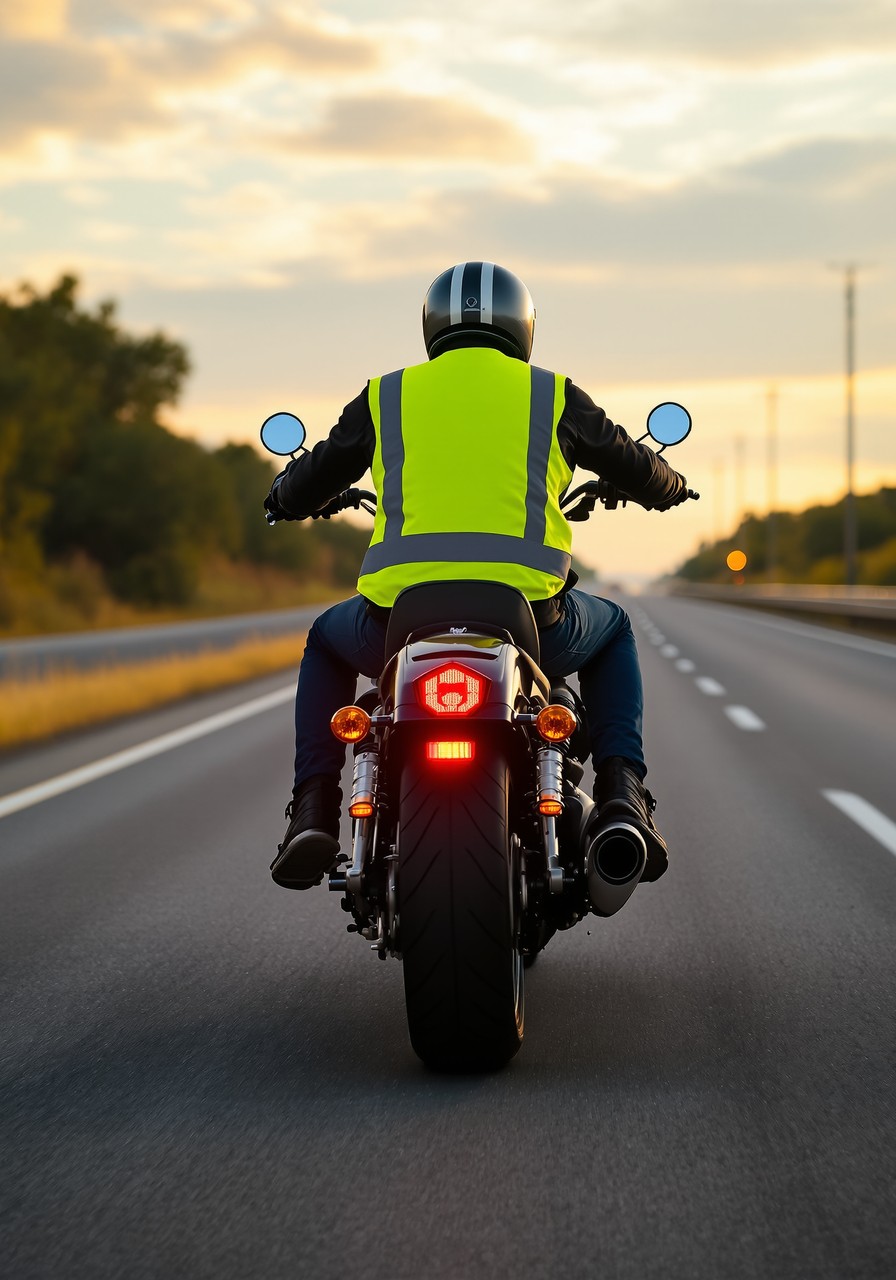
Safety & CO Law
High altitude and sudden mountain storms can drop visibility and traction without warning. Pack rain gear, respect the sky, and pull over rather than push through a squall. Storm crash turn into an insurance fight? Call Rider Justice at (303) 388-5304. #RideNationCO #MotorcycleSafety #ColoradoRiders
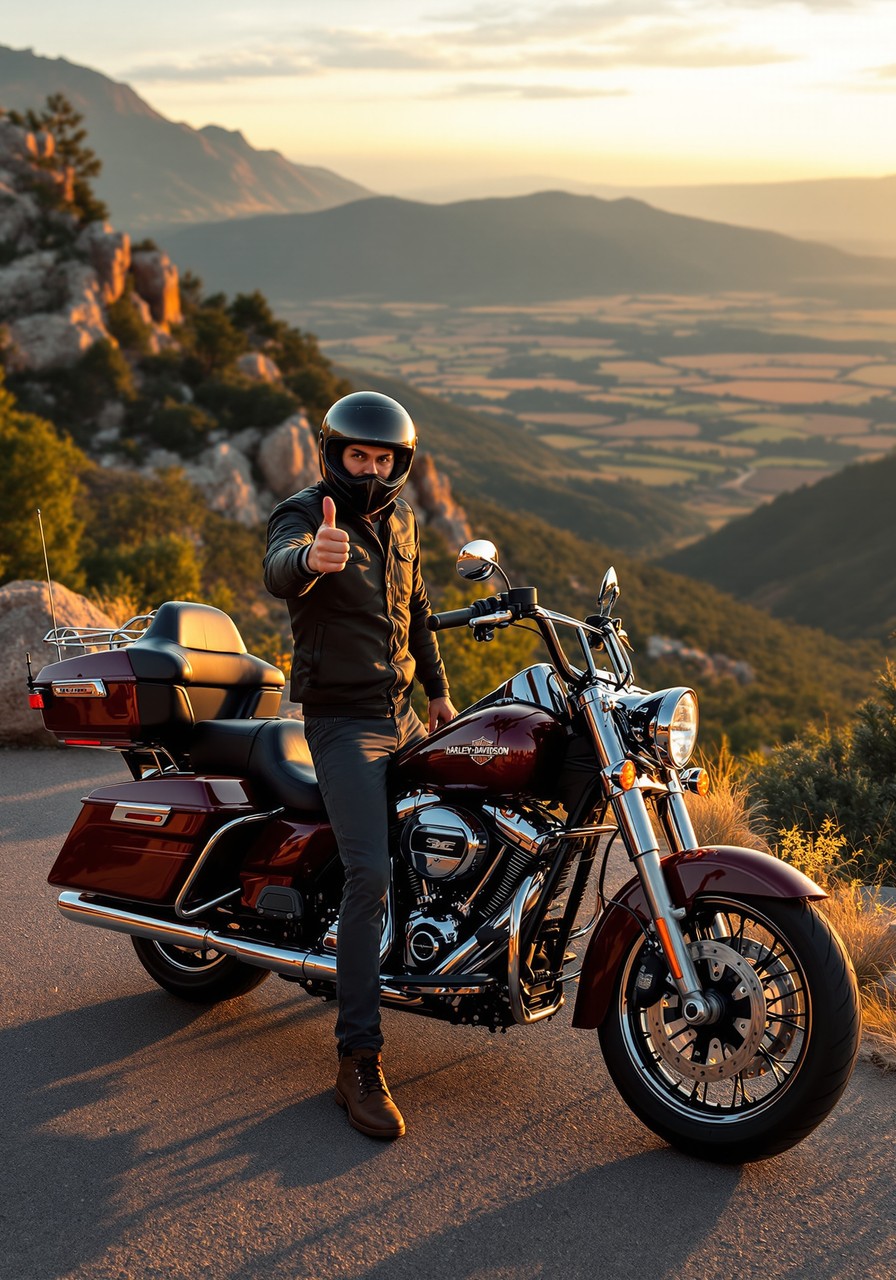
Engagement
This or that: Lookout Mountain at golden hour or the full Peak to Peak at high noon. #RideNationCO #PeakToPeak #MileHigh
Giveaway & Countdown
Share, tag, and hype it up. A fellow rider is about to win $20,000. #RideNationCO #MotorcycleGiveaway #ColoradoRiders
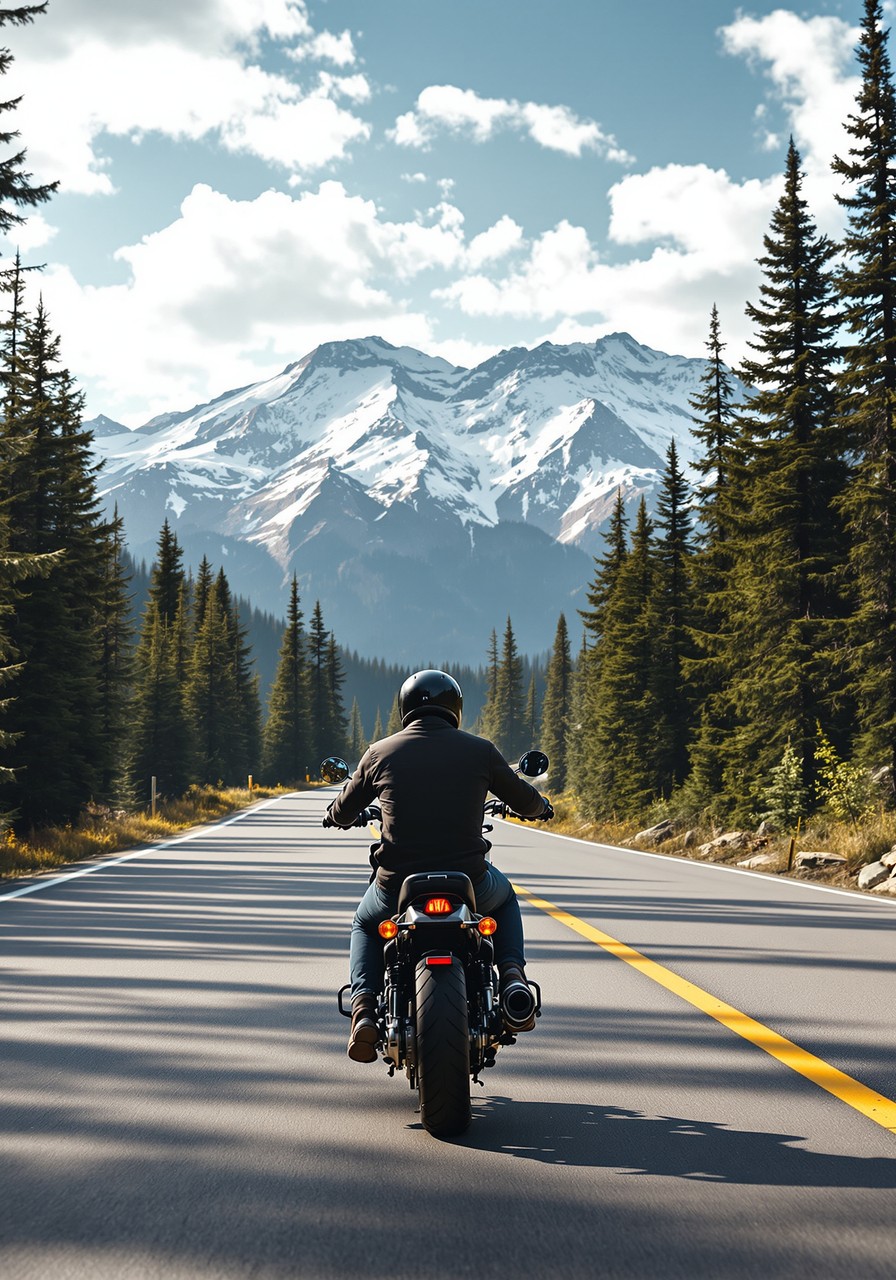
Local CO & Rides
Coal Creek Canyon links you quietly from the Front Range up to Wondervu and the Peak to Peak. Fewer cars, more focus, watch the loose stuff. #RideNationCO #FrontRange #ColoradoRiders
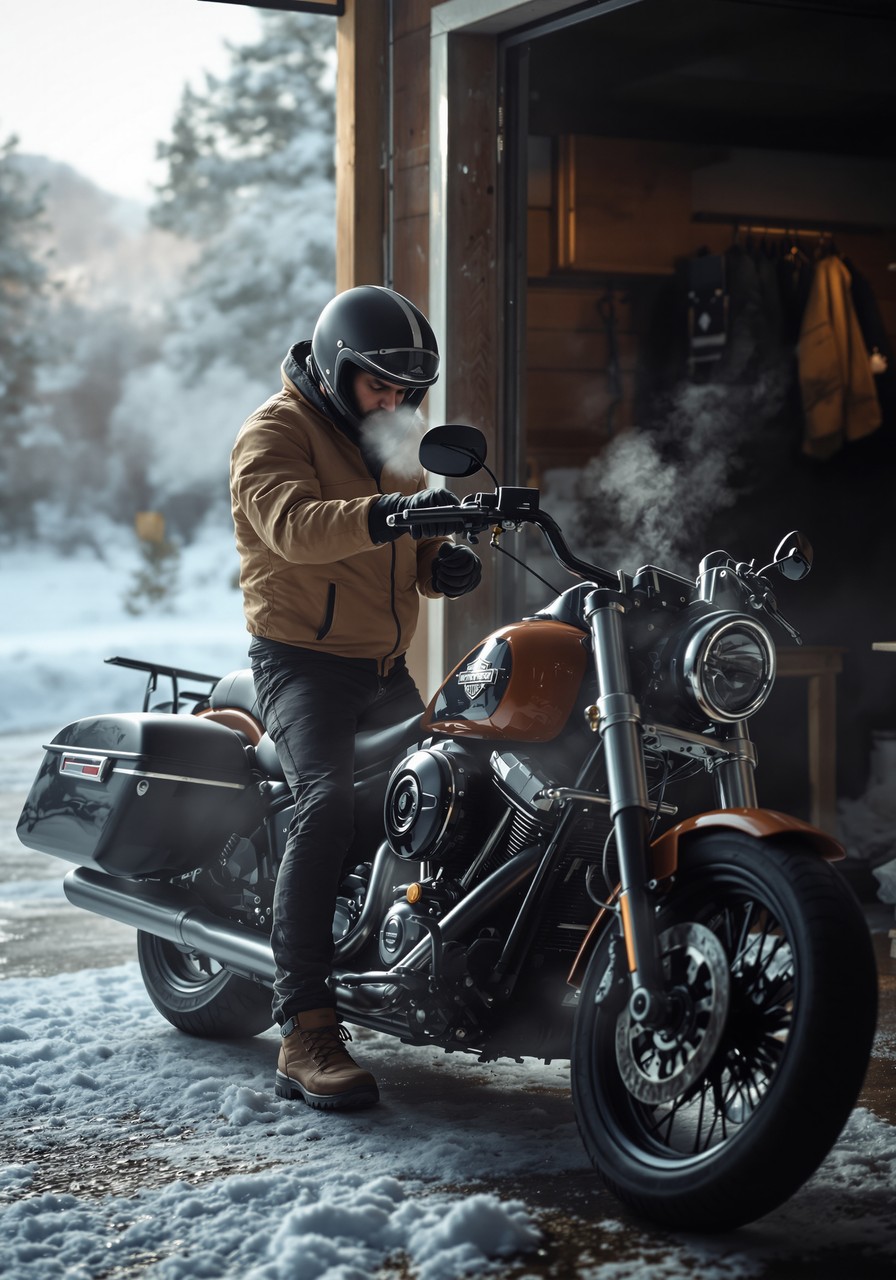
Gear & New Iron
Heated seats and grips are showing up stock on more new models. In Colorado that spec is not a luxury, it is season length. #RideNationCO #NewIron #ColdWeatherRiding
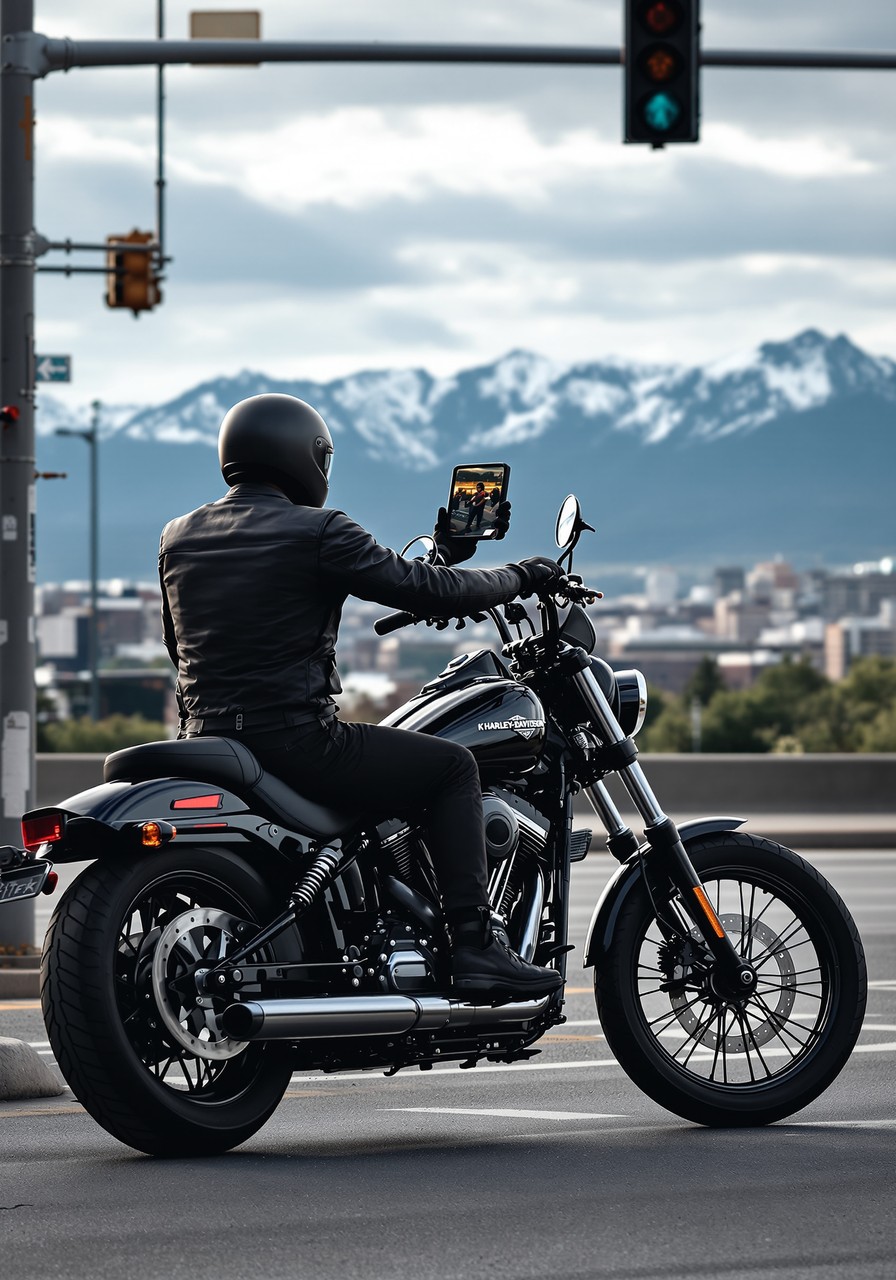
Safety & CO Law
Your UM/UIM coverage is the backstop that pays when the at-fault driver cannot. In a state with no PIP, it is often the most important protection a rider owns. Check it before your next ride. #RideNationCO #RiderRights #KnowYourRights
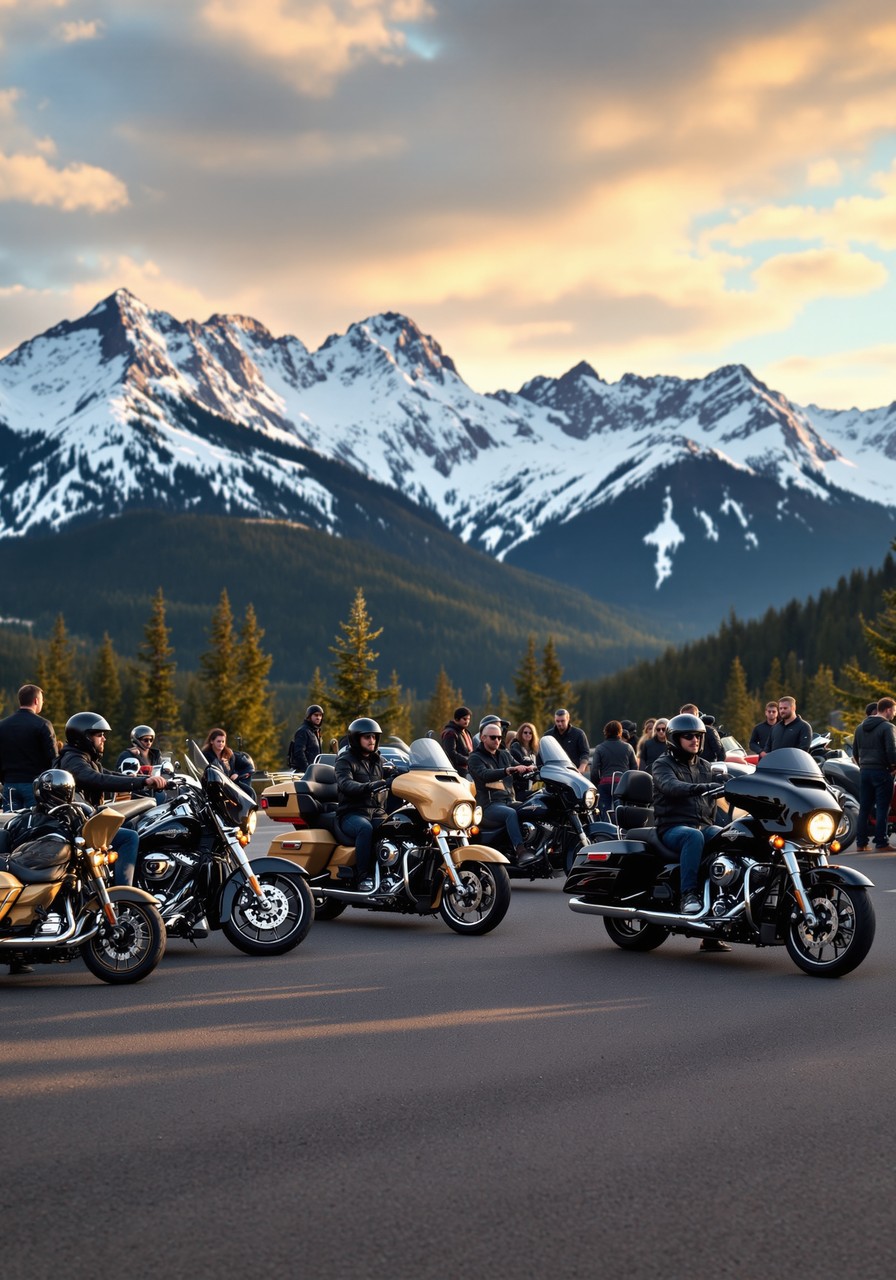
Engagement
Real question: what keeps you riding through a Colorado winter when everyone says put it away? #RideNationCO #RockyMountains #ColoradoRiders
Giveaway & Countdown
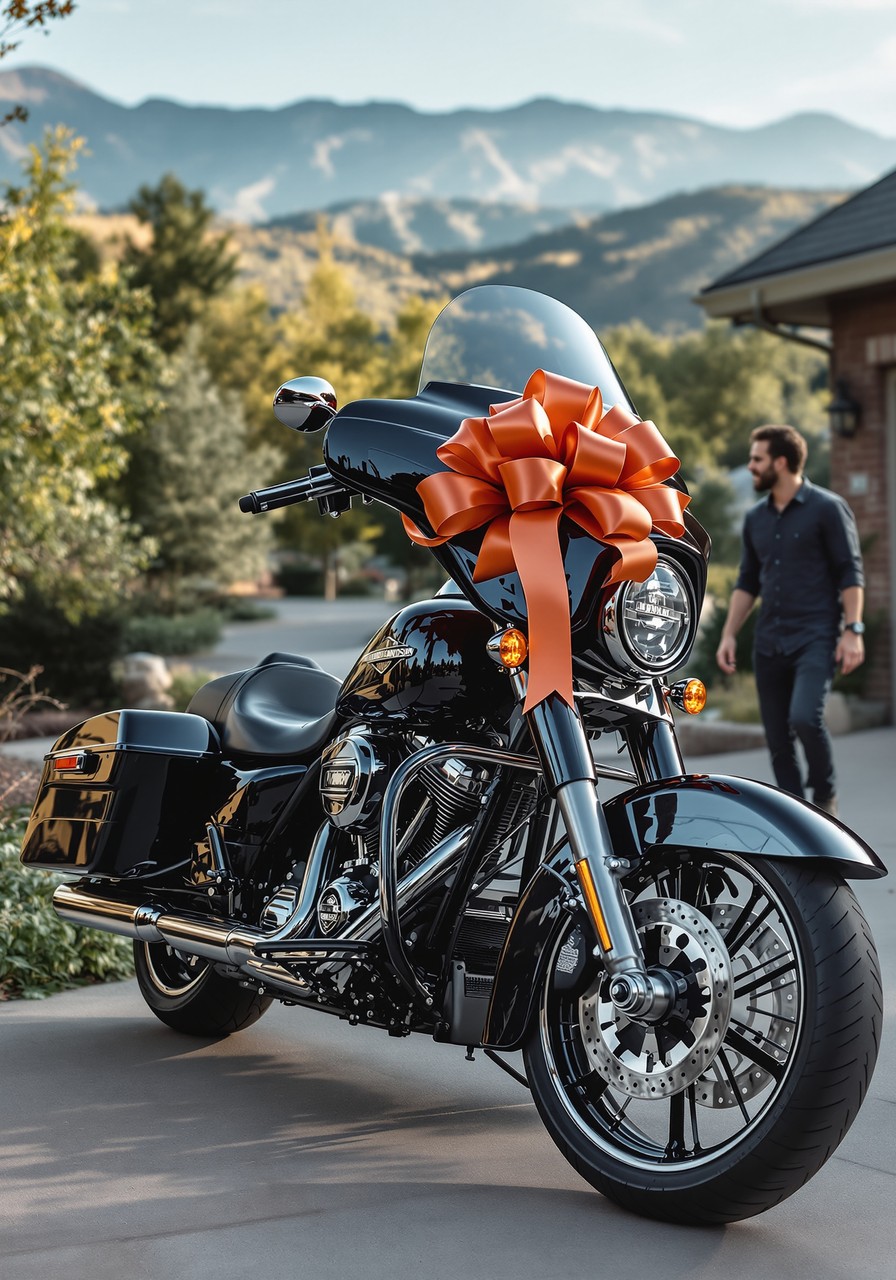
From the Front Range to the foothills, riders are talking about the BikersWin $20,000 giveaway. #RideNationCO #BikersWin #FrontRange
Local CO & Rides
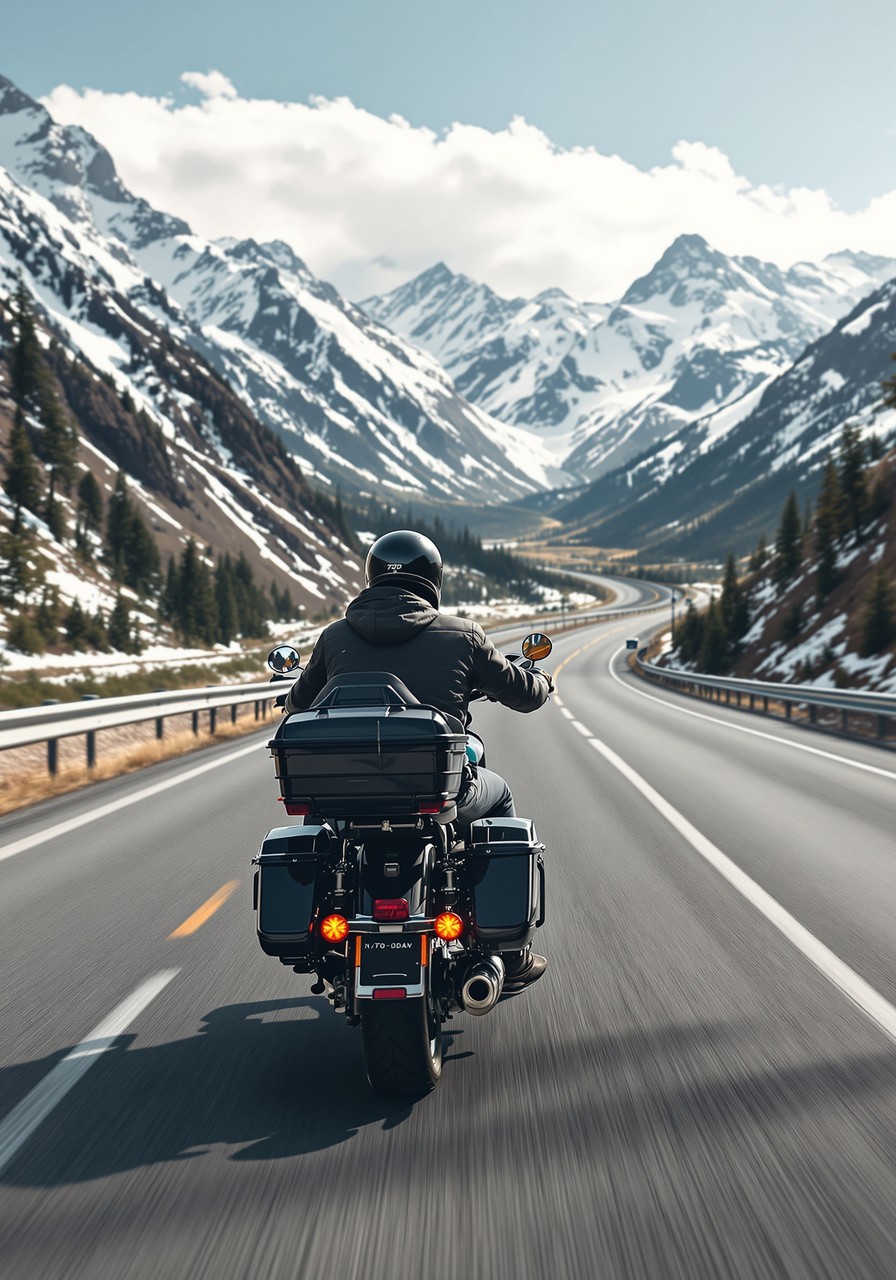
Late February tease, a warm Front Range day with the passes still white. Take the low roads, keep it mellow, and count the days to real season. #RideNationCO #FrontRange #DenverRiders
Gear & New Iron
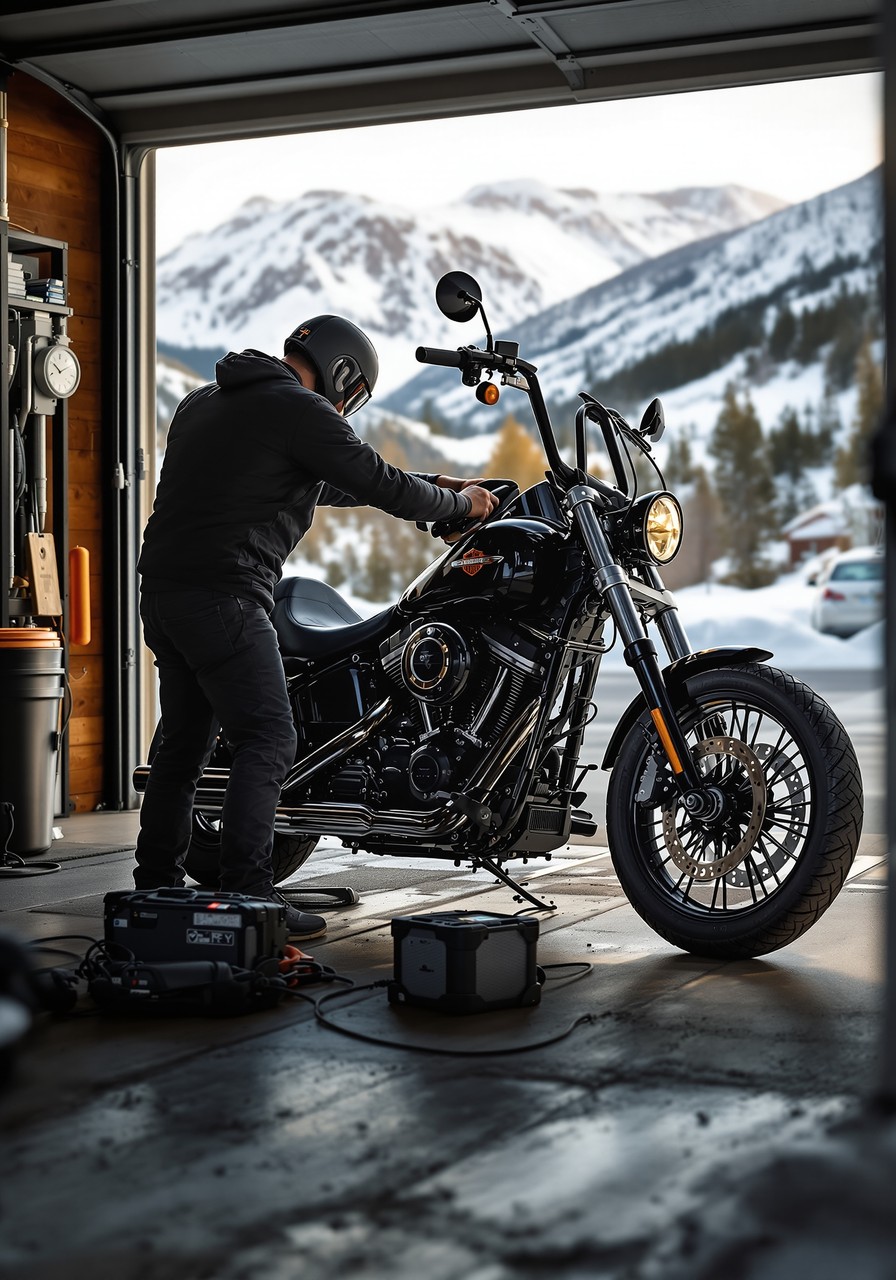
Buying a used bike this fall? Ask when the tires, brake fluid, and chain were last done. Deferred maintenance is a hidden price. #RideNationCO #NewIron #MotorcycleMaintenance
Safety & CO Law
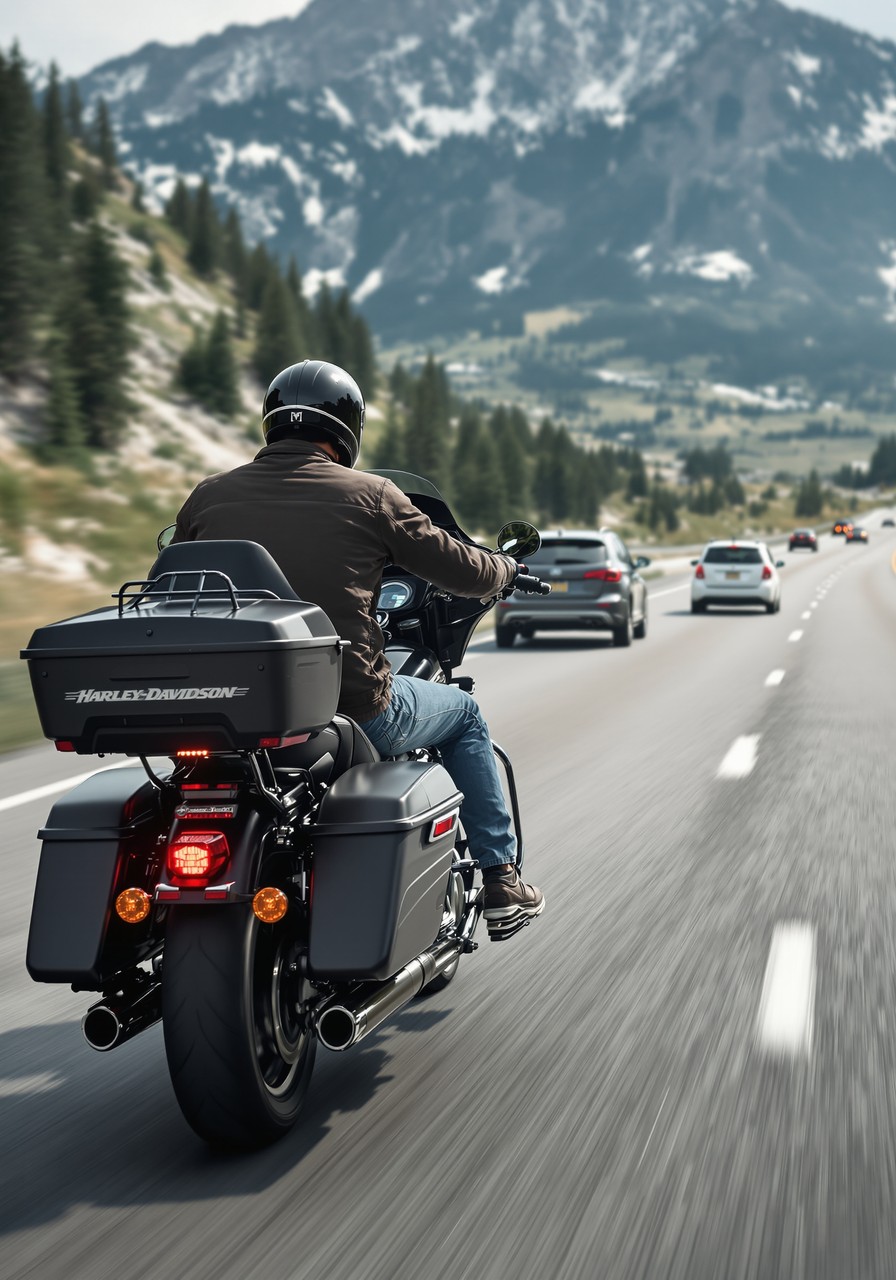
The clock on a Colorado motor vehicle injury claim runs three years, but insurers count on you waiting until the trail goes cold. Get your questions answered early. Free case review with Rider Justice at (303) 388-5304. #RideNationCO #KnowYourRights #ColoradoRiders
Engagement
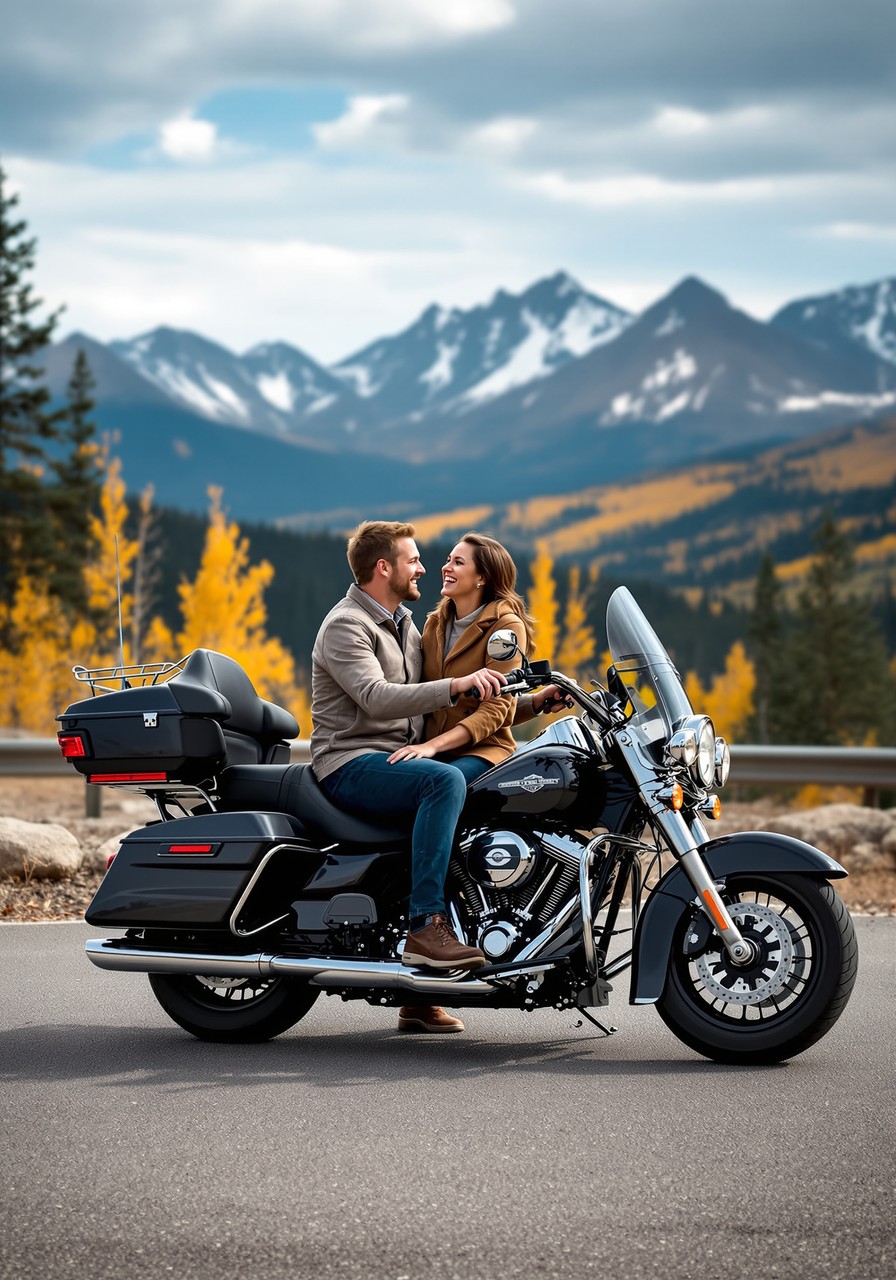
Tag your ride-or-die and finish this: next season we finally ride ______ together. #RideNationCO #RideOrDie #DenverRiders
Giveaway & Countdown
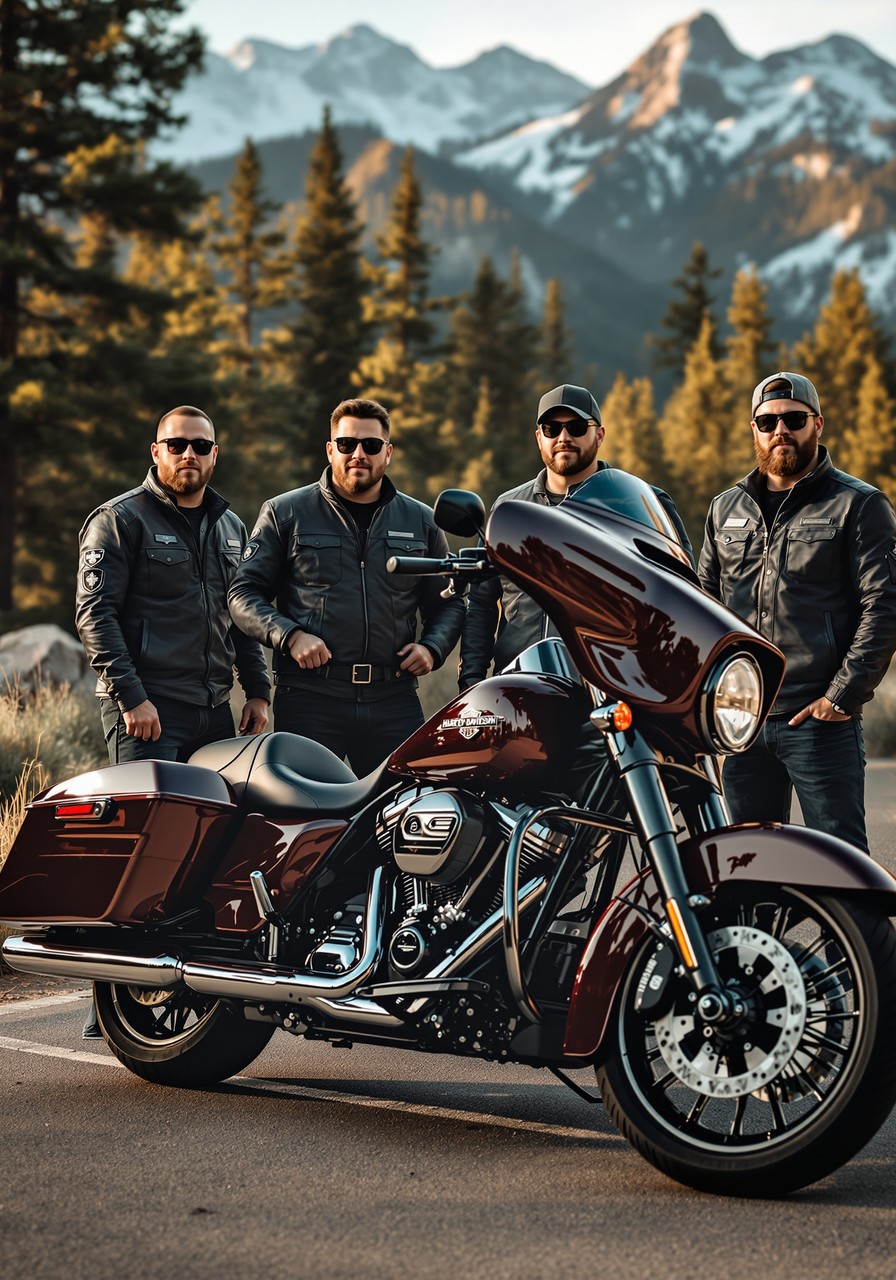
This is your reminder that the $20,000 giveaway is still on. Do not sleep on it, Denver. #RideNationCO #20kGiveaway #DenverRiders
Local CO & Rides
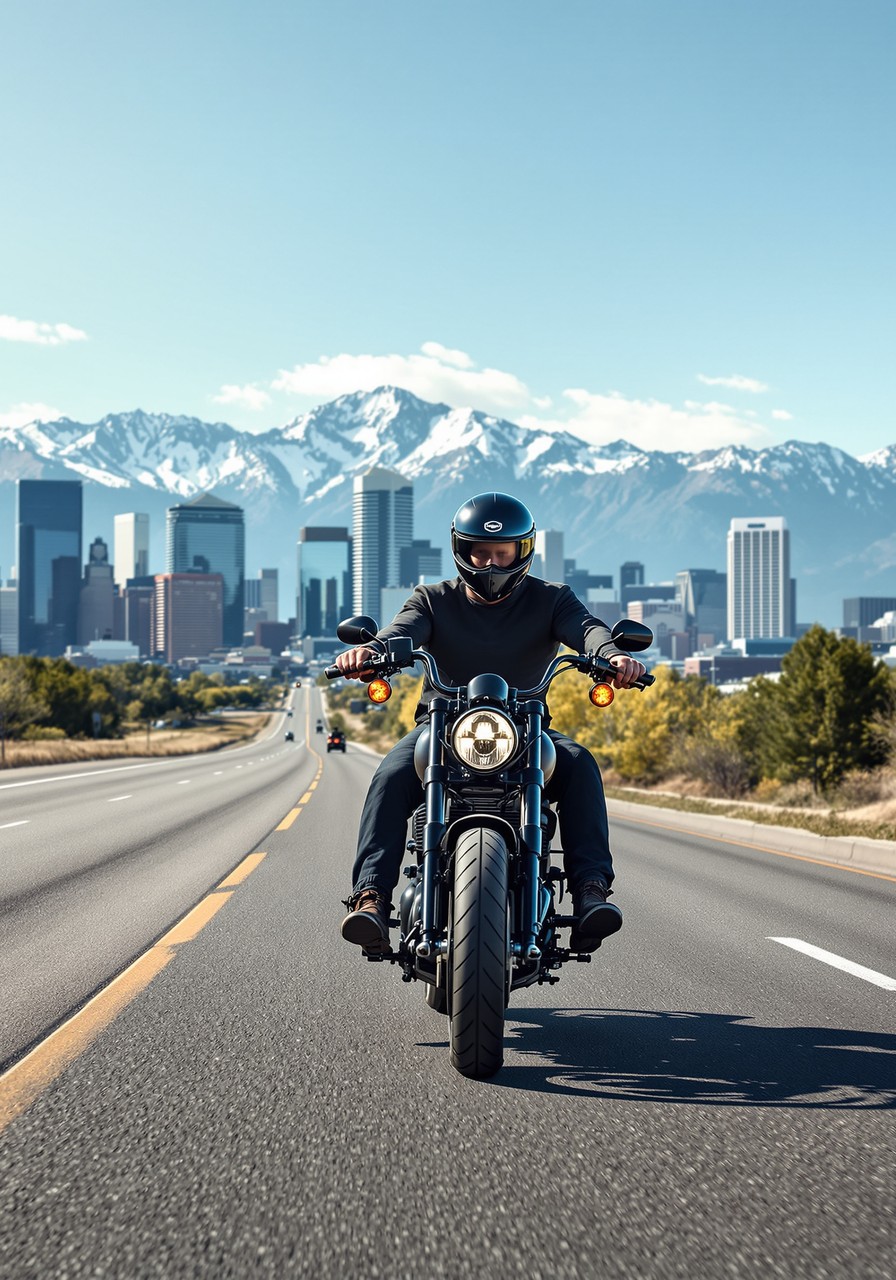
Plan the first big mountain run now while it is cold. Map the fuel stops, check the pass status, and picture the switchbacks. Spring gets here quicker than you think. #RideNationCO #RockyMountains #ColoradoRiders
Gear & New Iron
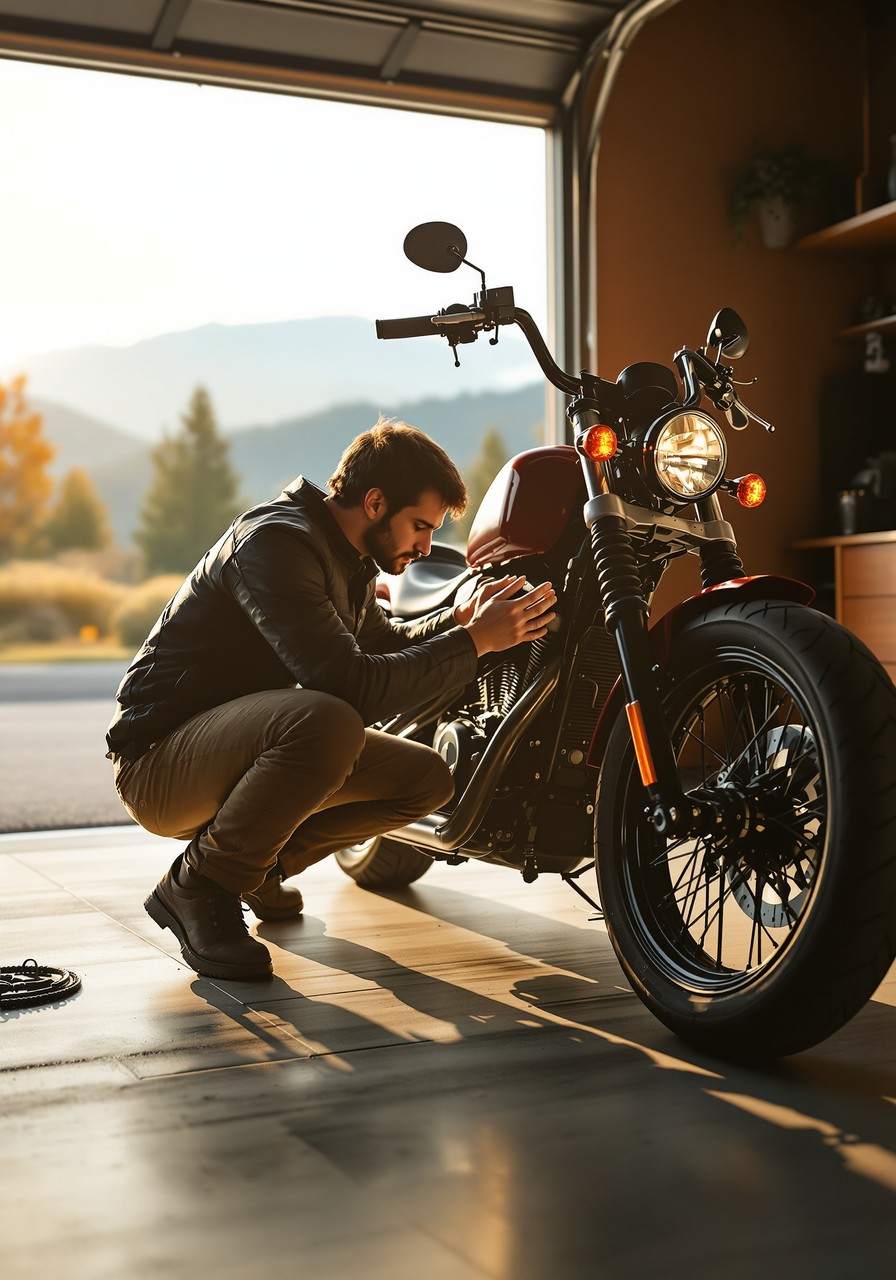
Whatever you ride, gear it for the worst part of the route, not the parking lot. In Colorado the mountain always gets a vote. #RideNationCO #ATGATT #GearUp
Safety & CO Law
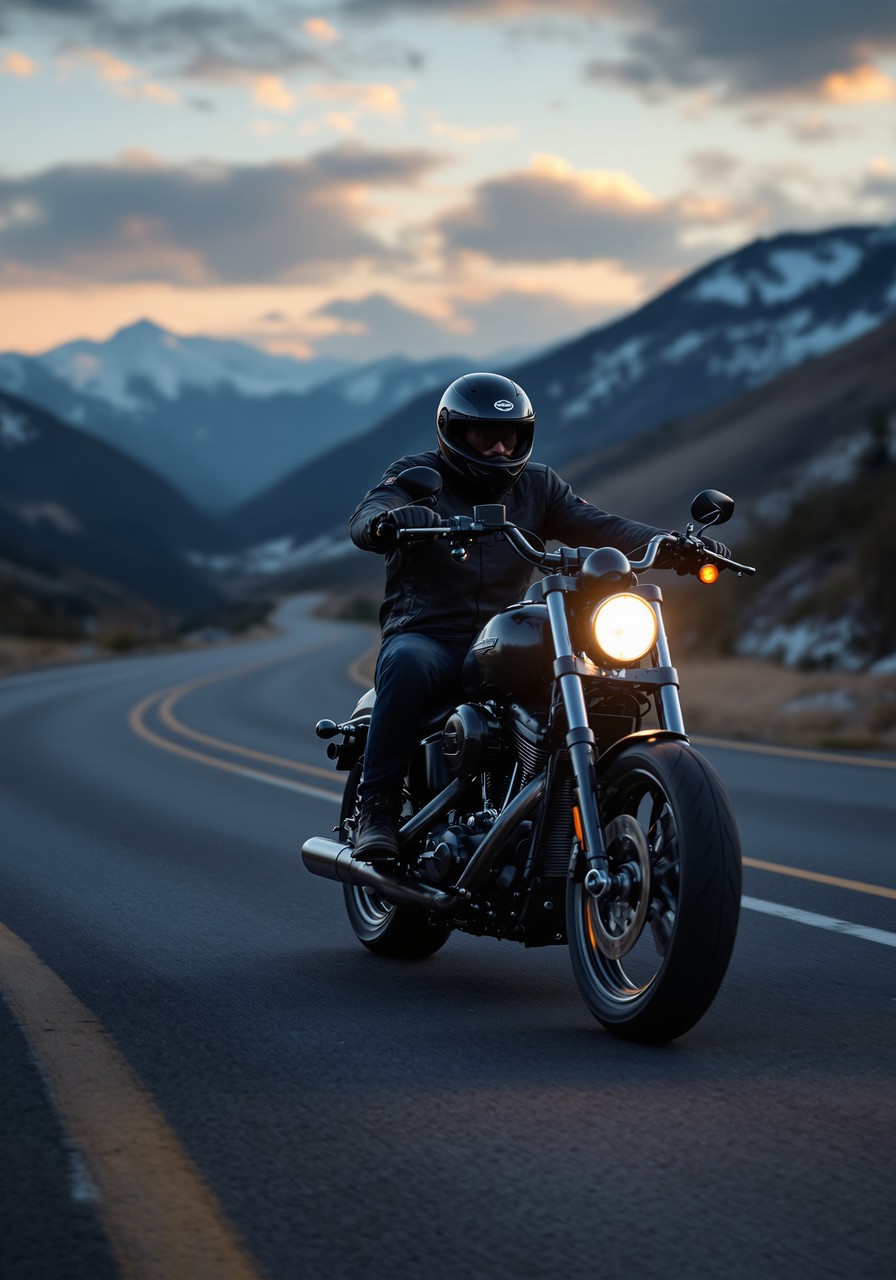
Be seen or be sorry. Ride in the part of the lane where mirrors catch you, keep your light on, and assume the car creeping to the stop line has not clocked you yet. #RideNationCO #MotorcycleSafety #DenverRiders